

Nigeria, others adopt framework to safeguard Africa’s polio gains
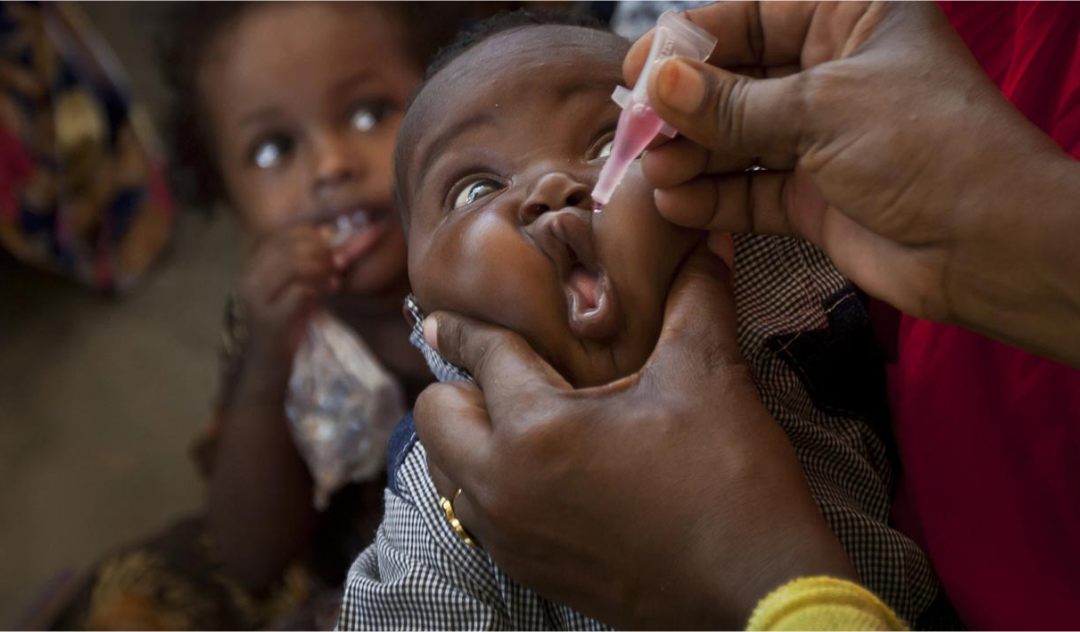
African ministers of health and high-level representatives from 47 African countries, including Nigeria, adopted a 10-year plan on Thursday to sustain polio eradication efforts by strengthening national health systems in the region.
Nigeria has maintained a six-year polio-free status, having been declared free of wild poliovirus by the World Health Organisation (WHO) on August 25, 2020
WHO, in a statement, said leaders from the region also reaffirmed their commitment to protect decades of investment toward a polio-free continent.
The Framework for Polio Transition and Sustainability in the WHO African Region 2026–2035 was adopted during the 76th session of the WHO Regional Committee for Africa being held in Addis Ababa from August 25 to 28, 2026.
The framework marks an important milestone in Africa’s journey towards a polio-free future.
It emphasises maintaining high-quality surveillance, preserving laboratory and emergency response capacity, strengthening routine immunisation, ensuring sustainable domestic financing, reinforcing governance and accountability, and supporting country-led transition planning.
While the African region was certified free of indigenous wild poliovirus in 2020, countries continue to face outbreaks of circulating variant polioviruses and other increasingly complex public health emergencies.
In 2026 so far, more than 180 polio detections have been reported in the African Region, with the highest number reported in the Lake Chad Basin and the Horn of Africa, which are currently the region’s critical areas of transmission.
Sustaining one of the world’s largest disease surveillance and response networks is more important than ever.
The new framework provides a strategic roadmap for ensuring that the expertise, surveillance systems, laboratories, workforce, emergency operations and community networks built through the Global Polio Eradication Initiative (GPEI) continue serving countries long after eradication is achieved.
Across Africa, polio-funded personnel and infrastructure have repeatedly been deployed beyond polio, supporting responses to Ebola, Marburg virus disease, mpox, cholera, yellow fever and other health emergencies, while strengthening routine immunisation, laboratory networks and emergency preparedness.
The newly adopted regional framework aligns with WHO’s global Polio Transition Strategic Framework and the Sustaining a Polio-free World strategy, guiding member states in integrating essential polio functions into national health systems between 2026 and 2035.
“Sustaining Africa’s polio gains requires strong country ownership, sustainable financing and the integration of polio assets into broader health systems.
“By maintaining high population immunity, robust surveillance and strong outbreak preparedness, we can protect our polio-free status and strengthen health security across the Region,” Dr Mohamed Gedi, polio eradication programme coordinator at the WHO Regional Office for Africa, said.
The framework also recognises that successfully transitioning polio assets is fundamental to achieving broader health security objectives.
By integrating polio capacities into national health systems, countries will be better equipped to detect and respond rapidly to emerging infectious diseases while advancing universal health coverage and implementation of the International Health Regulations (2005).
The framework also responds to the anticipated decline in polio eradication funding by supporting countries to progressively institutionalise and finance essential functions within national health systems.
“We are closer than ever to ending polio, but reaching that goal will require us to stay the course. Rotary remains fully committed to working with governments, WHO, and all GPEI partners to protect every child, strengthen immunisation systems, and sustain the financing needed for the final push.
“This framework, and the progress we have achieved together, proves what is possible when countries and partners unite around one shared goal: a world free of polio.” Mike McGovern, chair of the International PolioPlus Committee, Rotary International and Chair of the GPEI Polio Oversight Board, said.
Member states committed to developing or strengthening national transition plans, integrating essential polio functions into broader health programmes, mobilising sustainable domestic resources, and monitoring progress through a regional accountability framework.
WHO will continue providing technical support, facilitating knowledge exchange and reporting annually on implementation across the region.
The adoption comes as the Global Polio Eradication Initiative extends its efforts to 2029 while preparing for the long-term sustainability of essential public health functions beyond certification.
For Africa, where millions of children have been protected through decades of coordinated vaccination efforts, the framework ensures that the investments made to eradicate polio will continue strengthening health systems and protecting communities against future health threats.
As countries move from eradication towards long-term sustainability, the regional committee’s decision reinforces a shared vision: safeguarding Africa’s hard-won polio achievements while transforming one of the world’s largest public health programmes into a legacy for stronger, more resilient health systems.
The meeting brings together health ministers and senior officials from the 47 member states to discuss and endorse regional health policies, strategies and plans to improve the health of people in Africa.
(NAN)

We have recently deactivated our website's comment provider in favour of other channels of distribution and commentary. We encourage you to join the conversation on our stories via our Facebook, Twitter and other social media pages.

More from Peoples Gazette

Agriculture
FG tasks ECOWAS on leveraging financing strategies for agroecology
The federal government has urged stakeholders in the agriculture and finance sectors in the West Africa region to leverage financing strategies to enhance agroecology practices

Politics
Katsina youths pledge to deliver over 2 million votes to Atiku
“Katsina State is Atiku’s political base because it is his second home.”
Heading 1
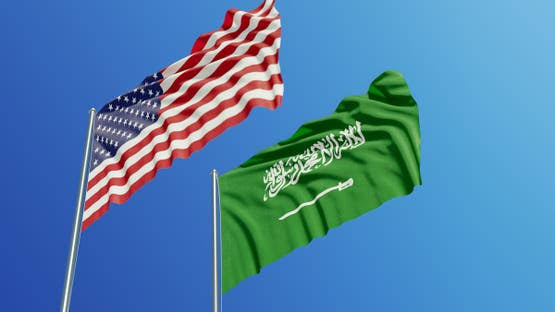
U.S. says employees in Saudi Arabia need special approval to travel amid Iranian war
The mission also advised Americans in Saudi Arabia to avoid glass doors and windows in the event of an aerial attack.
World
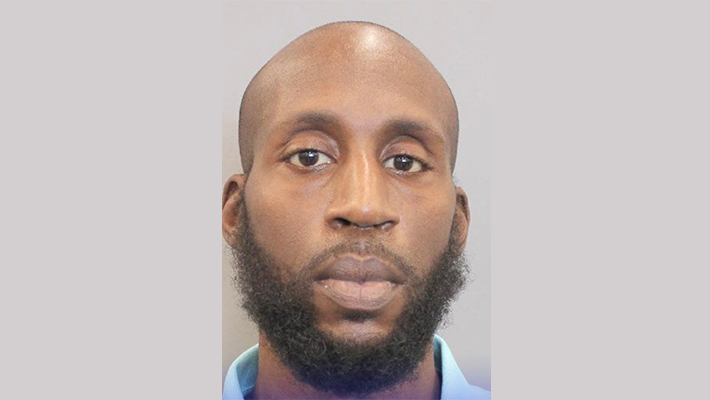
U.S. child sex offender Anthony Paul Smith dies of lung cancer two years into 35-year jail term
Mr Smith eventually pleaded guilty to the lower charge and was sentenced to 35 years’ imprisonment in December 2023.
Africa
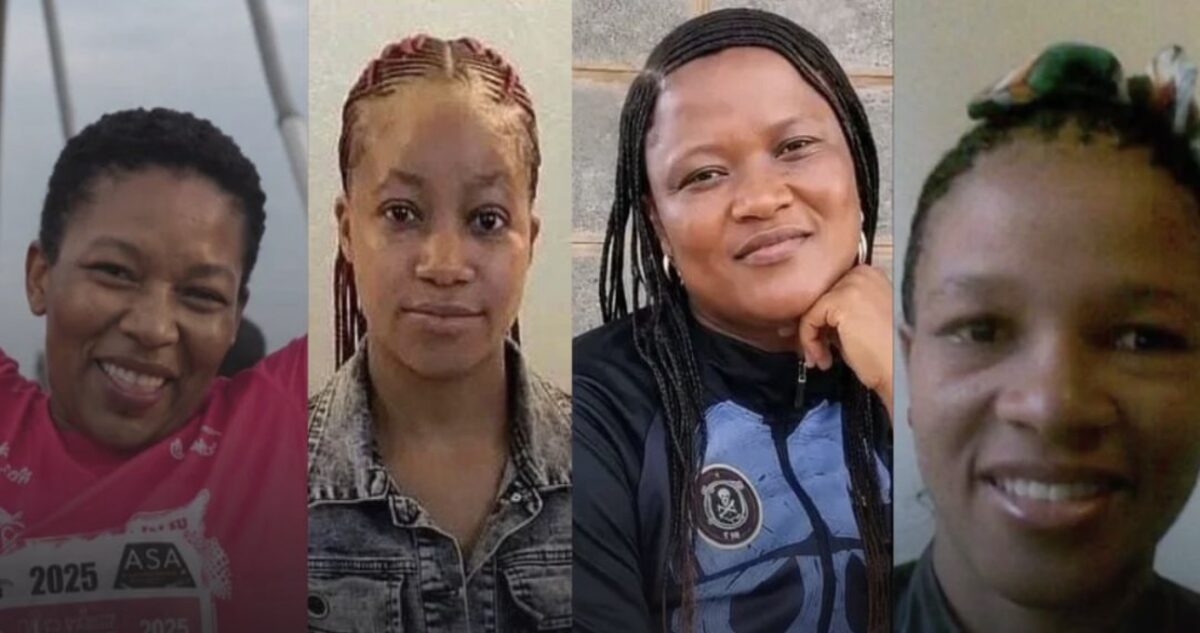
Three suspects arrested over murder of nine women in South Africa
Mr Cachalia noted that eight of the victims had been positively identified.

World
British PM, cabinet members behaving like ostriches, ignoring looming energy crisis, says Kemi Badenoch
The UK Conservative Party leader said the solution for UK “is simple: Drill our own oil and gas in the North Sea.”
States
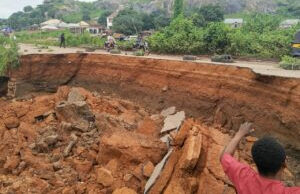
Residents beg FG to fix collapsed Iseyin-Abeokuta road
Mr Alaba said that the road had shown signs of failure about six years ago before it finally collapsed.
Politics
2027: North-Central youths back Tinubu’s re-election bid
The North-Central Renewed Hope Youth Vanguard endorsed President Bola Tinubu for a second term.


