

Nigeria tasks ECOWAS to resolve issues hindering sub-regional trading in palm oil
Nigeria has called on palm oil producing countries of the Economic Community of West African States to work assiduously towards resolving their disagreements, which threaten subregional trading in the sector.
Head, ECOWAS National Unit, Ministry of Foreign Affairs, Yakubu Dadu, made this known at a meeting of the group, “free movement of palm oil under the ECOWAS trade liberalisation scheme,” on Tuesday, in Abuja.
Mr Dadu, who noted that the meeting was a platform for conversation with palm oil-producing countries and industry stakeholders, urged them to establish measurable metric thresholds based on their production capacity of the produce.
He, however, added that this should take into account the economic conditions of respective ECOWAS member states.
According to him, in spite of the remarkable success of the ECOWAS Trade Liberalisation Scheme, established in 1979, the West African subregion found itself facing challenges within the “pivotal palm oil sector.”
Mr Dadu said: “The ECOWAS Trade Liberalisation Scheme stands as a cornerstone in the realiszation of a West African common market, embracing agricultural, handicraft, and crude products initially, and later extending its reach to include industrial and processed goods.
“In spite of the remarkable success of the ETLS, we find ourselves facing challenges within the pivotal palm oil sector as the cross-border movement of palm oil has encountered origin-related disagreements among member states, posing a threat to the sector’s stability and growth potential.
“Our goal should aim to achieve an environment where innovative solutions can be fashioned for the sustainable growth of the palm oil sector within the ECOWAS region.”
Speaking on the sidelines of the event, Commissioner for Economic Affairs and Agriculture, ECOWAS Commission, Massandje Toure-Litse, said that one of the challenges in palm oil trading in the region was taxation.
She said that by virtue of the introduction of ETLS, ECOWAS had already eradicated tariffs in business transactions within the region but some disagreements still existed on the issue in some countries, which should be resolved to facilitate oil palm trading.
“Some products will go to some countries and the countries will ask them to pay tariffs when we know that under ECOWAS law, goods produced in our region should be free of tax. We have, therefore, invited all the countries to have a discussion to solve the issues in the commercialisation of palm oil in the region.
“The countries invited are Ivory Coast, Togo, Benin, Nigeria, Ghana and Liberia,” Mr Toure-Litse said.
Also speaking, ECOWAS Commission’s Director of Customs, Union and Taxation, Salifou Tiemtore, said that ECOWAS member states were not producing enough palm oil to meet the demands of the subregion.
“Let me tell you the truth, till now, with the statistics we have, we still need to import palm oil. What we are producing is not enough for our own consumption.
“If you take a country like Nigeria, it has the capacity to double its production in terms of palm oil but we need to put in place some incentives so that through ECOWAS ETLS Nigeria can cover the Nigerian market and also go beyond the Nigerian market.
“We will delve into discussions on palm oil production capacity in the region, analyse import and export data, identify and understand the challenges faced by the sector under the ETLS, and collectively propose lasting solutions to address these challenges,” he said.
Mr Tiemtore added that the region had the potential to meet the needs of member states if support was given to entrepreneurs to expand production, and leveraging the ETLS.
(NAN)

We have recently deactivated our website's comment provider in favour of other channels of distribution and commentary. We encourage you to join the conversation on our stories via our Facebook, Twitter and other social media pages.

More from Peoples Gazette

States
Independence: NBA urges Nigerians to expect better future
The NBA said that ordinary Nigerians should be deriving benefit from the subsidy removal rather than hardship.

Agriculture
FG tasks ECOWAS on leveraging financing strategies for agroecology
The federal government has urged stakeholders in the agriculture and finance sectors in the West Africa region to leverage financing strategies to enhance agroecology practices

Politics
Katsina youths pledge to deliver over 2 million votes to Atiku
“Katsina State is Atiku’s political base because it is his second home.”
States
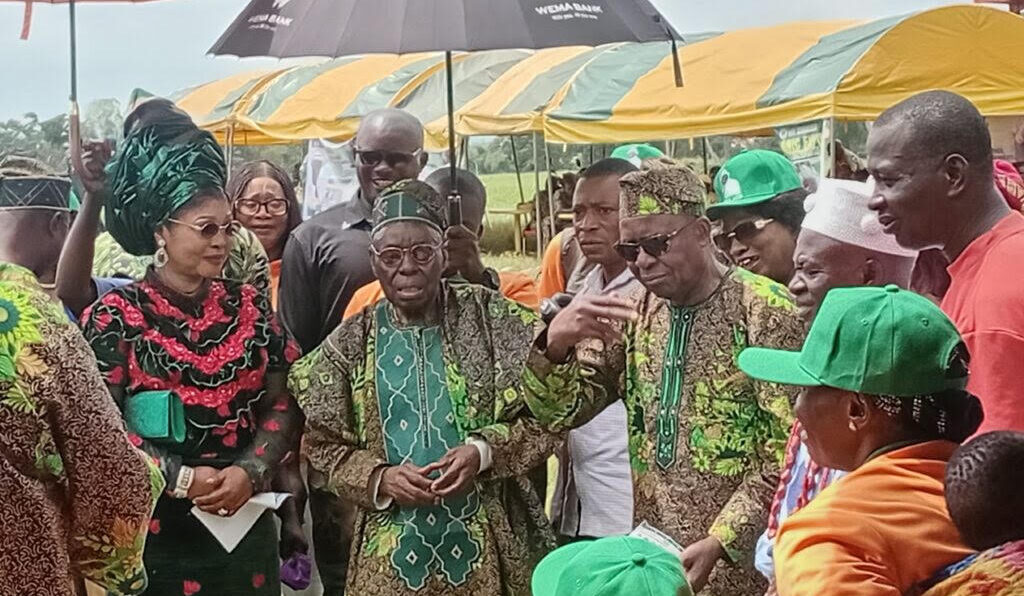
Ekiti: Afe Babalola urges youths to embrace agriculture, empowers 32 with farming skills
The beneficiaries were trained in plantain chips production, packaging and marketing.

Heading 1
Gov. Zulum urges Tinubu govt to resume oil exploration in Borno
Mr Zulum said responsible exploration and development of the state’s natural resources would strengthen local economies.

Abuja
Man arrested for allegedly raping minor in Abuja
The spokesperson added that the victim was receiving medical care and assessment.

States
2027: North-Central APC leaders launch mobilisation movement for Tinubu
Mr Sule expressed confidence that the region would deliver the highest number of votes for Mr Tinubu.

States
More than 60 passengers rescued after boat accident in Benue
According to the chairman, the rescue operation was complicated by strong water waves.
Health
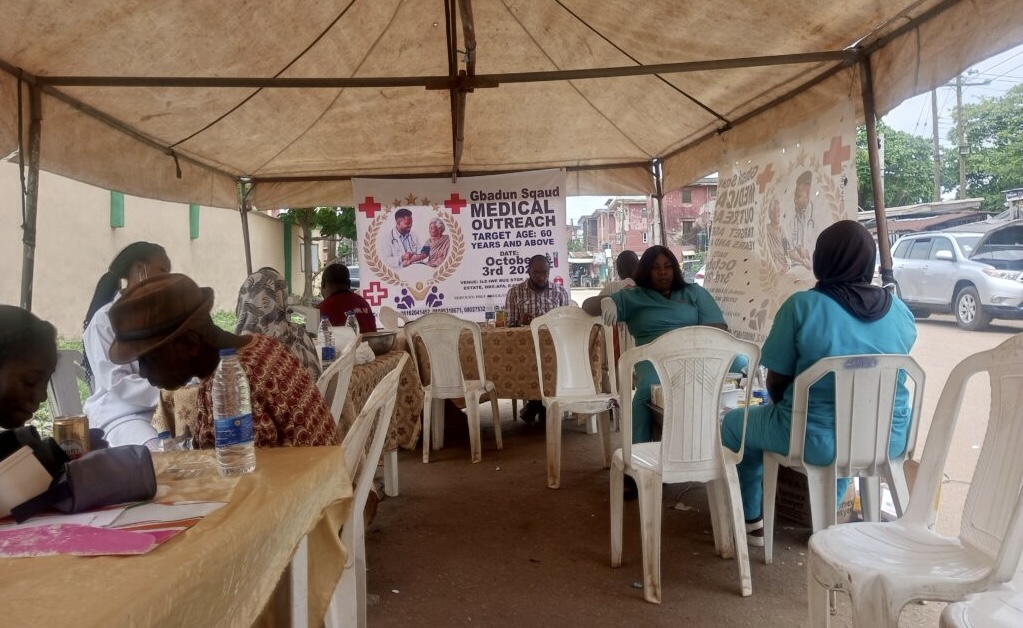
Lagos youth group organises free medical outreach for 200 residents
The medical doctor said participants were treated based on their diagnoses.


