

Nigerians resort to herbal concoctions as medication prices soar by over 300%

Following the astronomical increase in the prices of drugs, some residents of the Federal Capital Territory (FCT) have resorted to herbal concoctions commonly referred to as “agbo” to treat various illnesses.
Agbo is made by combining different herbs, roots and plants believed to have medicinal properties.
The prices of many prescribed and over-the-counter medications have steadily increased, making these drugs unaffordable and unavailable.
Correspondents confirmed this from some pharmacies visited in the FCT where some drugs were reported to be scarce or unavailable, such as Augmentin, multivitamins like Omega H3, Ventolin inhaler and Fleming antibiotics.
A pharmacist who spoke anonymously said, “GlaxoSmithKline(GSK) products are now scarce and expensive since the company announced its exit from Nigeria.
“For the GSK products, we have the example of Paracetamol which a single card was being sold at N200, but now has increased to N400.”
In one of the big pharmacies visited, Ventolin inhaler sells at N8,870 against N2,000, while Augmentin sells for between N23,000 to 25,000 as against N3,000 to N5,000 it was sold before the GSK exit.
Nicholas Adah, a cleaner, said he was advised by his friend to take agbo after sharing his symptoms with him.
” My friend told me to take agbo after I told him how I was feeling. I took his advice, and they prepared the one for treating typhoid for me, and I feel a lot better,” he said.
Wasiu Ahmed, a vulcaniser, said: “Why would I go and spend money that I do not even have to buy medicine from a chemist when I can take agbo?”
A taxi driver, Sunny Adeniyi, said he preferred to take agbo to treat his ailments because it is effective and cheaper than orthodox medicine.
“There is no money to go to the chemist or hospital because everything in Nigeria is expensive. By the time I buy fuel, I won’t have money again,” Mr Adeniyi said.
An agbo seller, Sisi Ayo, who said she has been in the business for a while, said she got new customers regularly, both educated and uneducated people.
“Some people do not have money to buy drugs from the pharmacy when they are sick, so they patronise me. In fact, in recent times, my patronage is more than doubled,” she stated.
Theresa Okafor, a retiree and widow who is hypertensive, said the prices of all her medications had increased by 10 per cent to 40 per cent, and she could no longer afford to buy some of them.
Ms Okafor, who said the cost depended on brand name and availability, added that her physician had to replace some drugs with cheaper brands.
“My pension is N100,000 a month, and I still have children in universities. One of my medications increased from N4,500 to N6,000; the cost of food, fuel, and everything has also increased. I am just living by the grace of God,” Ms Okafor stated.
Pharmacist Jelili Kilani attributed the increasing cost of medication to the high cost of foreign exchange and the cost of production for locally made drugs.
“The bureaucracy involved before getting approval for the supply of drugs also affects the price and availability, but the major reason prices have gone up is because most of these drugs are imported,” said Mr Kilani.
“Then, for those produced locally, the cost of production is high, there is no power, and most manufacturers generate their power using fuel and diesel, which we know have all increased,” he added.
Mr Kilani said there must be a deliberate attempt by the government to ensure a reduction in the cost of production and the removal of duties on imported items.
The pharmacist advised those taking agbo to be careful, especially buying from hawkers.
In August, GlaxoSmithKline Consumer Nigeria Plc announced it was halting operations.
Sanofi, a French pharmaceutical multinational maker of polio vaccines, also announced its exit from Nigerian operations in November.
The company said it had appointed a third-party distributor to handle its commercial portfolio of medicines starting in February 2024.
(NAN)

We have recently deactivated our website's comment provider in favour of other channels of distribution and commentary. We encourage you to join the conversation on our stories via our Facebook, Twitter and other social media pages.

More from Peoples Gazette

States
Independence: NBA urges Nigerians to expect better future
The NBA said that ordinary Nigerians should be deriving benefit from the subsidy removal rather than hardship.

Agriculture
FG tasks ECOWAS on leveraging financing strategies for agroecology
The federal government has urged stakeholders in the agriculture and finance sectors in the West Africa region to leverage financing strategies to enhance agroecology practices

Politics
Katsina youths pledge to deliver over 2 million votes to Atiku
“Katsina State is Atiku’s political base because it is his second home.”

States
Bandits killed immigration officer in Niger: NIS
The Nigeria Immigration Service has confirmed the death of an officer attacked by bandits during a surveillance operation in Niger.
Economy
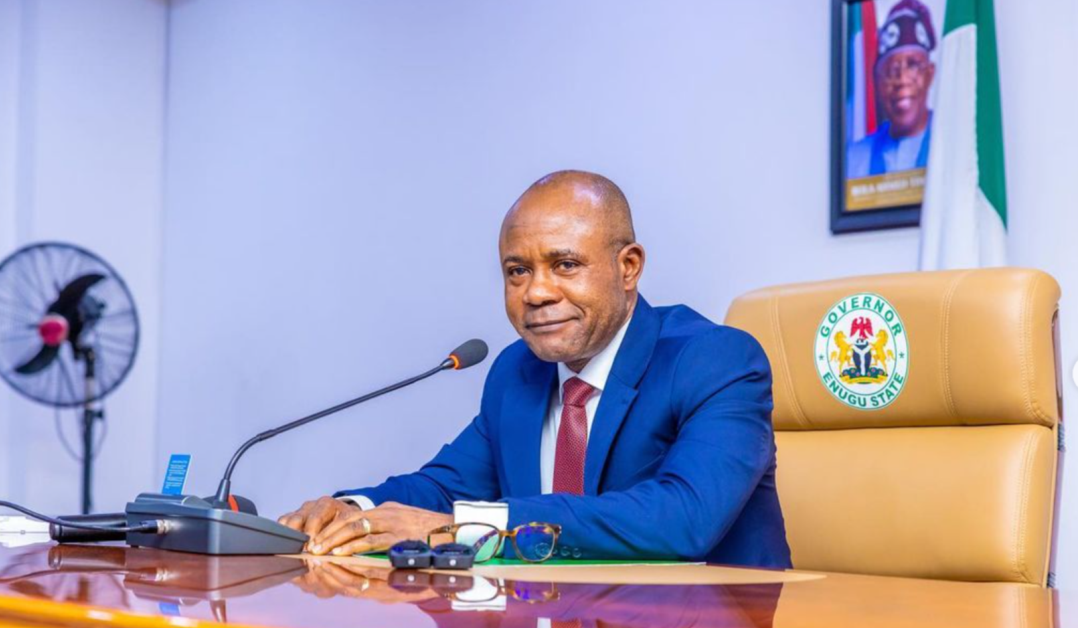
Enugu governor urges SEDC to prioritise gas pipeline, railway projects
Governor Peter Mbah has urged the South-East Development Commission to prioritise regional gas pipeline and railway projects to accelerate economic growth.
Politics
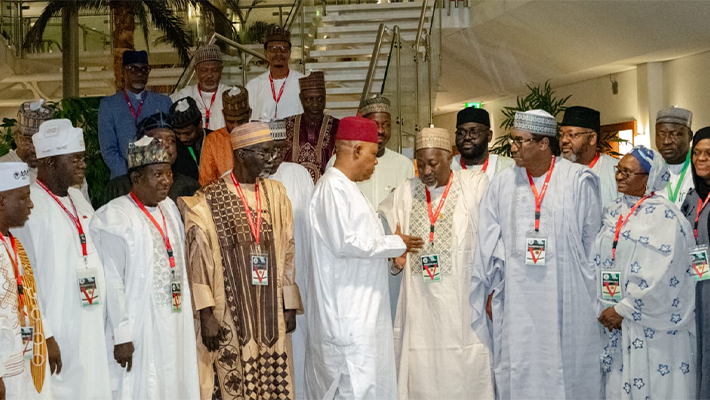
Northerners have nothing to fear about Tinubu’s re-election, says Shettima
Vice-President Kashim Shettima says Northern Nigeria has nothing to fear from President Bola Tinubu’s re-election, urging regional leaders to support his bid for a second term.
Politics
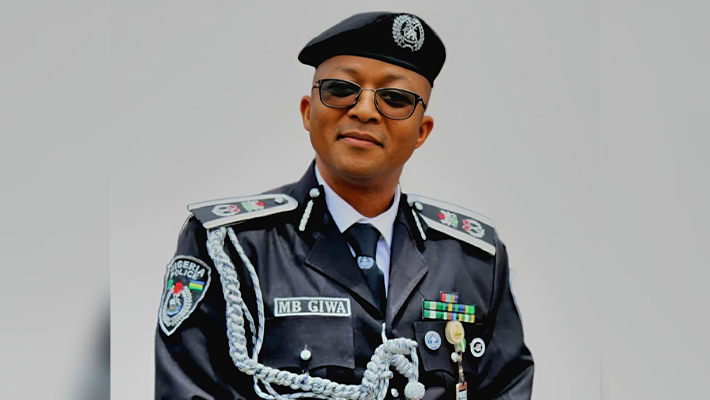
Enugu Campaigns: Police order area commanders, DPOs to strengthen security
The police commissioner in Enugu has ordered area commanders and DPOs to strengthen security in their respective jurisdictions as political campaigns heighten.
Lagos
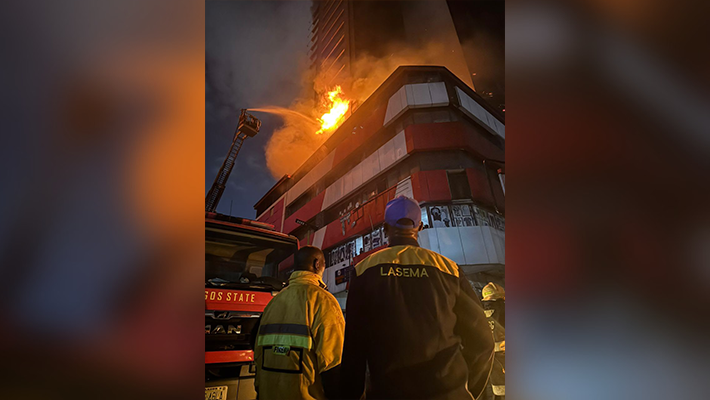
LASEMA begins demolition of distressed GNI building
The Lagos State Emergency Management Agency (LASEMA) says it will begin the controlled demolition of the distressed Great Nigeria Insurance House on Lagos Island on Thursday.

Lagos
Lagos diverts traffic on Independence Bridge for repairs
The Lagos government says traffic will be diverted on Independence Bridge, Lagos Island, as urgent repairs begin on Friday.


