

Nigerians resort to ‘Naija’ used cars over prohibitive costs of ‘Tokunbo’

Many Nigerians say the current hike in the prices of imported vehicles popularly known as ‘Tokunbo’ have affected their desire to own cars.
They said this in an interview in Abuja on Sunday.
They attributed the increase in Customs duties on imported vehicles for the high cost.
According to them, the continuous increase in the prices of imported vehicles has left them with no option than to scout for Nigerian used cars, popularly called “Naija cars”.
Tokunbo cars are fairly used cars that are imported into Nigeria with second hand value while Nigerian used cars are those already used on Nigerian roads and either sold to second or third party.
Felicia Ibekwe, a caterer, said she had saved some money to buy a car to help in delivery of orders to customers.
She, however, said the plan had been put on hold, adding that the money she saved could not get her the car of her choice.
Mrs Ibekwe said she might consider going for a Nigerian used car.
“I have reservations for Nigerian used cars because of poor handling but with the continuous increase in the cost of imported cars, I might consider that option,” she said.
Ahmed Yunusa, a dealer in fabrics, said part of his plans was to get a car before the end of the year.
He said he was saving to the teeth to make that happen.
The businessman, however, said he was not considering buying a ‘tokunbo car’, adding that he would go for a clean ‘Naija used car’.
“My agent advised me to buy a Nigerian used car because of the high cost of imported cars.
“While I am not comfortable with the choice of a Nigerian used car for a number of reasons, I may, however, settle for it because of cost,” he said.
Mr Yunusa said the current economic situation in the country had completely eliminated the middle class.
He said, “You are either rich and can afford a brand new car or “tokunbo” car or you are poor and only resort to trekking and hopping on commercial vehicles.”
A young man in his late 30s, who does not want his name mentioned, said, “this whole thing is frustrating because an average Nigerian cannot afford basic needs.
“Having a car is not a luxury but a necessity and I can imagine the stress those that do not have cars go through.
“Some Nigerians do not have cars, not because they do not desire to have them but because they cannot afford to buy one.”
A taxi driver, Omale Anibe, who uses an old model Mazda car, said he had plans to buy a new model of car for his transportation business.
He, however, said he had to rescind that because of the high cost of buying an imported car.
“I planned to sell this car, add some money and buy a new model but with the rise in prices of cars, I will continue to use it.”
On the dangers of using old cars, Mr Anibe said he was aware of the risks.
He, however, said he would continue to use his old car to “put food on the table” for his family.
Godwin Obolo, a young man, who said he had interest in ride-hailing service, said he was frustrated by the rise in the cost of automobiles.
He said “after searching for a job for more than two years, I spoke to a few people to help me raise funds to get a car for the business but my hope had been dashed.
“My only option now is to look for someone who has a car and is willing to use it for business.
“This option will definitely not be as favourable as getting my own car but I have to start somewhere.
“This is so disturbing because Nigeria is big enough to have automobile companies.
“What happened to Peugeot in Kaduna and VolksWagen in Lagos?”
Meanwhile, National Public Relations Officer of the Nigeria Customs Service (NCS), Comptroller Timi Bomodi said it was wrong to blame decline in importation of cars on Customs levies.
He said various variables such as inflation, exchange rate and other market forces had contributed largely to the increase in prices of vehicles.
“We know that the economic situation in Nigeria has not been too friendly.
“We know that the exchange rate has also not been too friendly and then you talk about other things that are happening around the world.
“All these things have their impact on business, not just importation of cars.
“So, there are so many factors that could lead to decline in importation.
“And so, to tie it to only Customs is ridiculous because Customs does not control exchange rate and other factors,” he said.
(NAN)

We have recently deactivated our website's comment provider in favour of other channels of distribution and commentary. We encourage you to join the conversation on our stories via our Facebook, Twitter and other social media pages.

More from Peoples Gazette

Agriculture
FG tasks ECOWAS on leveraging financing strategies for agroecology
The federal government has urged stakeholders in the agriculture and finance sectors in the West Africa region to leverage financing strategies to enhance agroecology practices

Politics
Katsina youths pledge to deliver over 2 million votes to Atiku
“Katsina State is Atiku’s political base because it is his second home.”
States
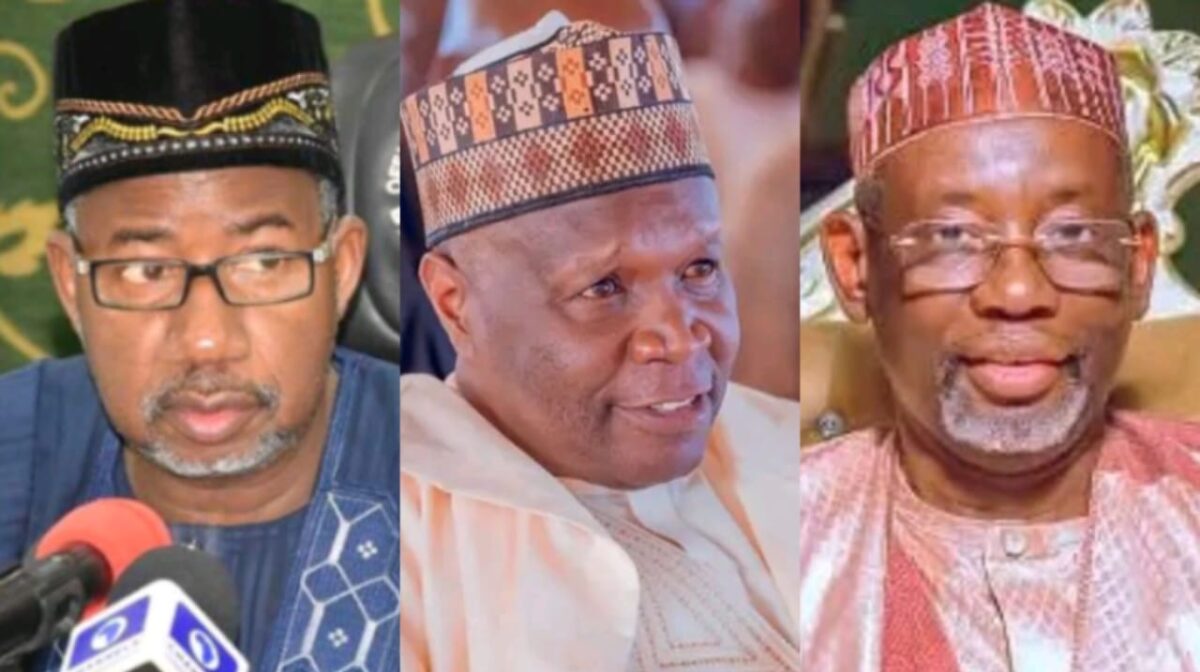
Poor infrastructure, multiple taxation cripple industries in Bauchi, Gombe, Jigawa: Stakeholders
Stakeholders in the economic sector have identified decaying infrastructure and multiple taxation as major obstacles to sustainable industrial growth in Bauchi, Gombe, and Jigawa.
Economy
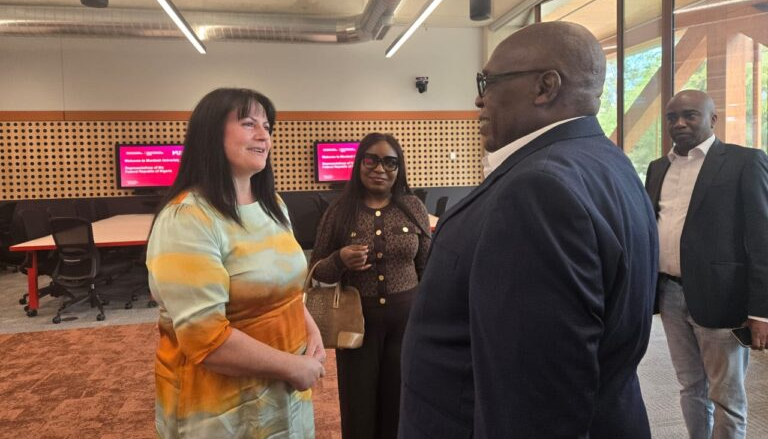
Nigeria, Australian university deepen mining capacity partnership
Nigeria and Murdoch University have reaffirmed their commitment to deepening knowledge transfer and professional capacity building in Nigeria’s solid minerals sector.
Health
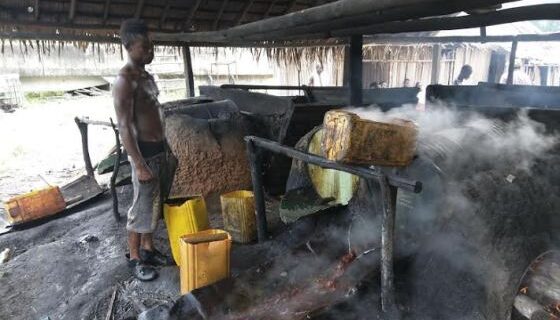
Police arrest 14 over Ondo poisoned alcohol, recover methanol linked to 29 deaths
The police command in Ondo has arrested 14 suspects in connection with the sale and consumption of alcoholic drinks linked to the deaths of 29 people in Odigbo council area.
States
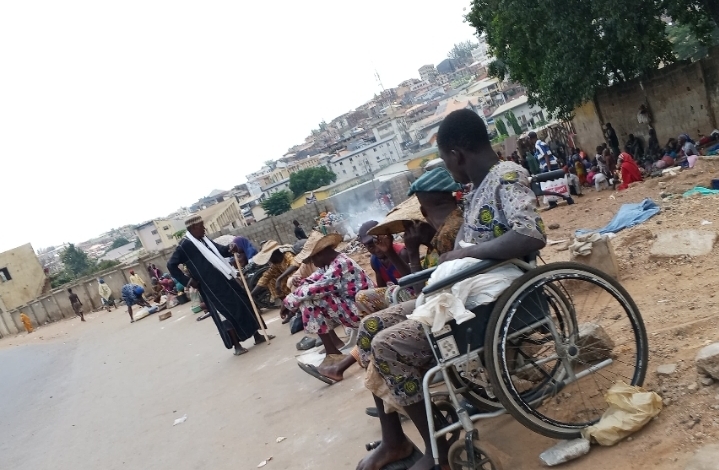
SPECIAL: Back Like They Never Left: Oyo’s inadequate evacuation, rehabilitation of street beggars, homeless people
The lawyer said the uninspiring state of the Akinyele Rehabilitation Centre could hardly be construed as a violation of the rights of the affected persons.

States
Sokoto: Police warn against social media misuse, cybercrimes
The police command in Sokoto has warned residents against misusing social media platforms to circulate unverified information, fake news, and harmful rumours.
Economy
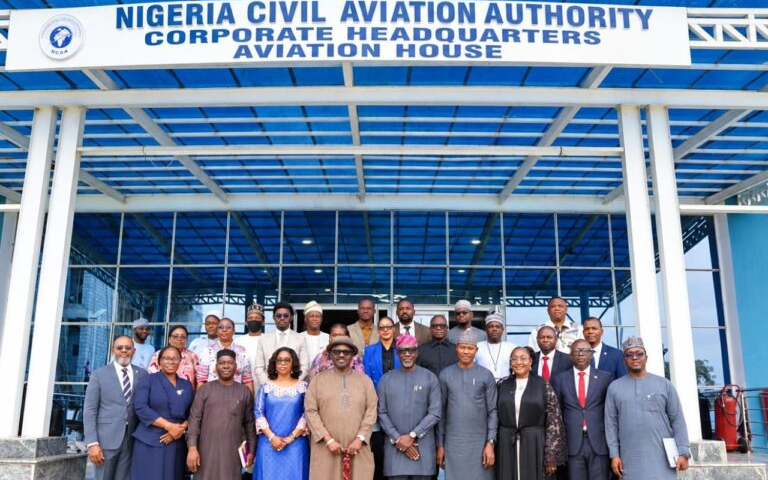
NCAA, NAICOM strengthen aviation insurance oversight
The Nigeria Civil Aviation Authority (NCAA) and National Insurance Commission (NAICOM) have signed an MoU to strengthen aviation insurance regulation and oversight.


