

No jobs anymore in my government, youths start your own business: Buhari

President Muhammadu Buhari has advised Nigerian youths to start their own business because his regime does not have jobs to offer the teeming unemployed youngsters.
“We should ensure the children get proper education,” noted Mr Buhari as several thousands of students remain shut out of school because of the months-long ASUU strike.
“The knowledge they acquire should not be towards getting government jobs. We don’t have jobs in government anymore,” admitted Mr Buhari. “With technology, governments are becoming more (sic) smaller, nimble and efficient.”
The president added, “Emphasis should now be on skills acquisition and competence in creation and deployment of technology. During the COVID-19, we asked all level 12 downward to stay at home, and surprisingly the systems worked effectively.”
He stated this when he visited the Emir of Daura, Faruk Umar Faruk, at his palace on Sallah homage, according to a statement by his media aide Garba Shehu on Wednesday.
Mr Buhari also called for the need to teach Nigerian youths about the country’s history to become patriotic.
“The younger children should be guided and taught history, as they would find it hard to be patriotic, responsible and respectful without a thorough understanding of their backgrounds,” he explained. “Whoever does not have a good sense of history will easily make mistakes.”
The World Bank report in July 2021 indicated that the unemployment rate had risen more than ever in Nigeria’s history under Mr Buhari’s regime.
The Washington-based organisation said the unemployment rate started rising sharply in 2015 when Mr Buhari assumed power, worsened by COVID-19, pushing Nigeria into a recession.
“The rise in unemployment rates has been particularly acute since the 2015- 2016 economic recession and has further worsened as COVID-19 led to the worst recession in four decades in 2020,” said the report.
Similarly, the National Bureau of Statistics reported that the rate of unemployment in Nigeria rose five-fold from 6.4 per cent in 2010, hitting 33.3 per cent as of the last quarter of 2020 under the regime.

We have recently deactivated our website's comment provider in favour of other channels of distribution and commentary. We encourage you to join the conversation on our stories via our Facebook, Twitter and other social media pages.

More from Peoples Gazette

Agriculture
FG tasks ECOWAS on leveraging financing strategies for agroecology
The federal government has urged stakeholders in the agriculture and finance sectors in the West Africa region to leverage financing strategies to enhance agroecology practices

Politics
Katsina youths pledge to deliver over 2 million votes to Atiku
“Katsina State is Atiku’s political base because it is his second home.”

World
Andrew Hubbard awaits sentencing for role in mother’s murder over $150,000 insurance
Mr Hubbard will be sentenced on December 1 after pleading guilty to his role in arranging the murder of his mother, Andreaia Worthem, over a $150,000 insurance payout.
Politics
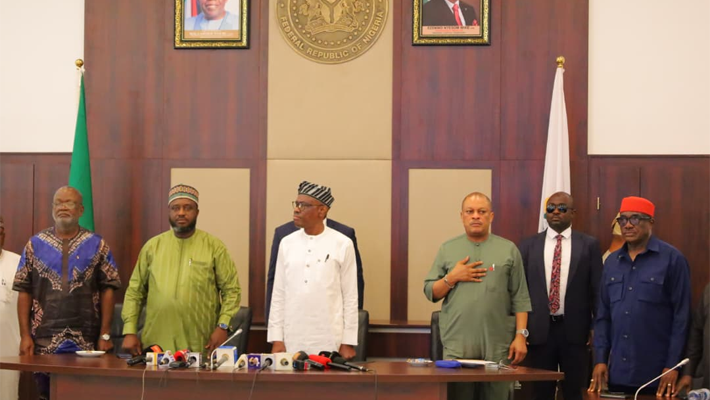
PDP backs Wike working for Tinubu’s re-election amid clash with APC governors
“When he was offered this appointment, he wrote to the party at all levels, and the party unanimously accepted and asked him to go and represent the party,” said Mao Ohuabunwa.
States
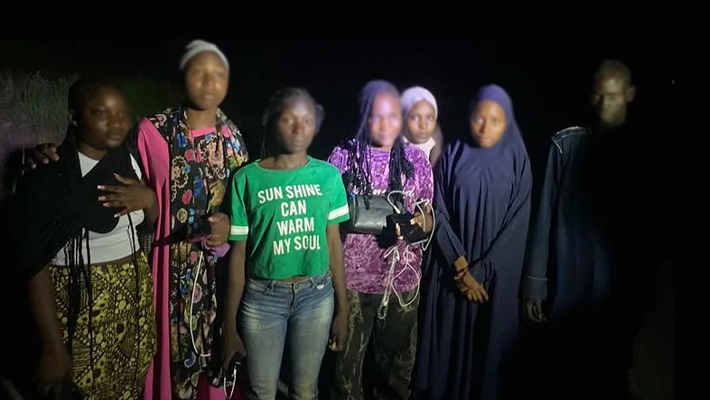
Kidnapping: Six female students rescued from bandits in Katsina, says military
The students were rescued along the Daye-Malufashi road in Danmusa council area after troops responded to a kidnapping incident at about 10:48 p.m. on Monday.

Agriculture
Ogun: Urgent response advised amid African swine fever outbreak
Eustace Iyayi, special assistant to the livestock development minister, Idi Maiha, called for an emergency response to the African swine fever outbreak in Ogun.
Economy
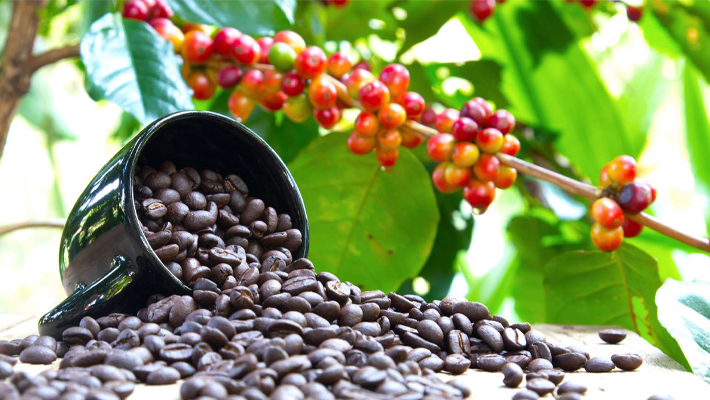
Ethiopia seeks world’s largest producer of arabica coffee status
Ethiopia is modernising its coffee industry to become the world’s largest producer of arabica coffee.
World
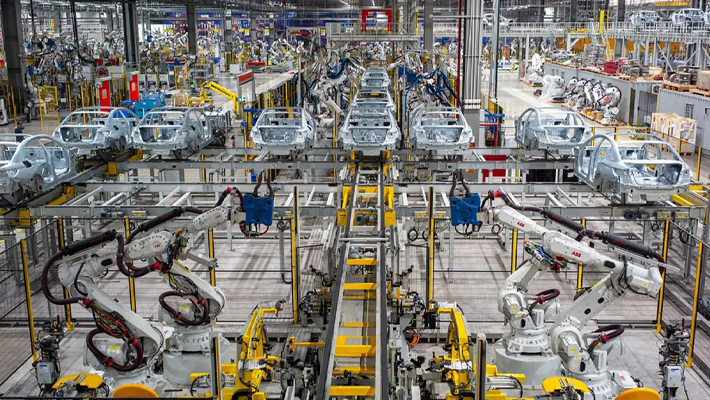
Vietnam now Southeast Asia’s largest electric-car market with 40% share
Vietnam became Southeast Asia’s largest electric-car market in 2025, with electric vehicles accounting for nearly 40 per cent of new-car sales, according to the IEA.


