

NPHCDA maps zero-dose hotspots for targeted vaccination
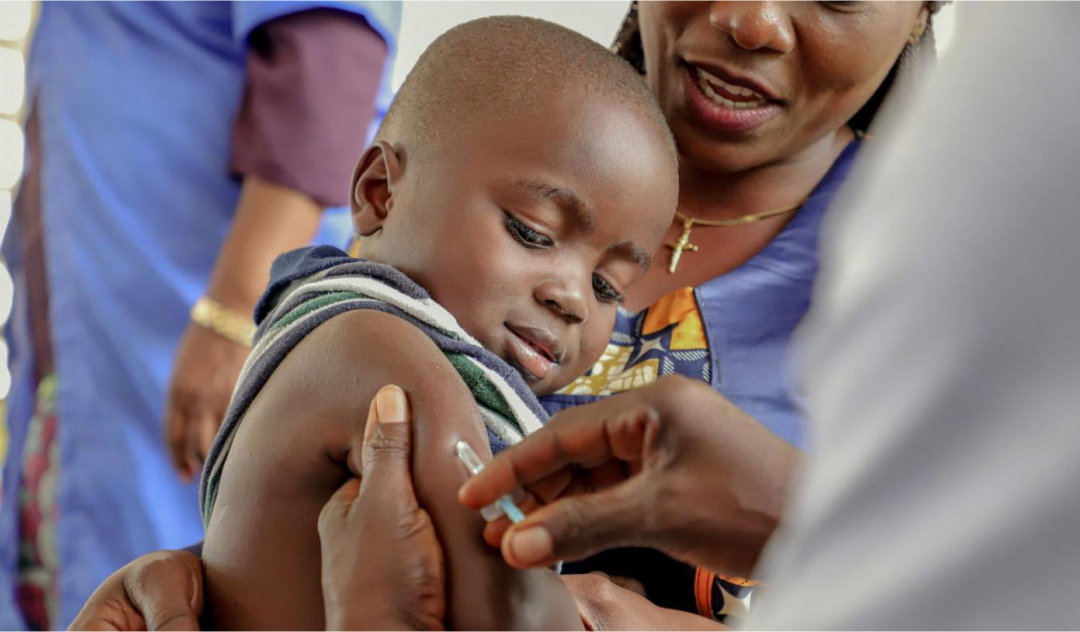
The National Primary Health Care Development Agency (NPHCDA) says it has mapped areas with high burdens of zero-dose children to guide targeted immunisation interventions nationwide and improve routine vaccination coverage among vulnerable populations.
The Director of Disease Control and Immunisation at NPHCDA, Dr Garba Rufai, said this in an interview on Saturday in Abuja, outlining strategies adopted to reach unreached children.
Mr Rufai said the agency was deploying the identify, enumerate and vaccinate (IEV) approach to locate unreached children, document their vaccination status and provide health workers with reliable data for interventions nationwide.
“In some states where we have the highest number of zero-dose children, we went out there and registered every child that was under five, male or female.
“With that list, the local government authority and health workers can look at the settlements, know their catchment areas and use that information to plan,” Mr Rufai said.
He said the data generated through the exercise was also supporting maternal and child health programmes, while providing other agencies with accurate information required for planning interventions effectively.
“The best thing to plan for children is just the line list. They don’t know where they are. So, you know there are 10 children here, three of them are under one, five of them are under two,” he said.
Mr Rufai said the agency had integrated outreach services into routine immunisation activities to reach children living in remote communities located far from health facilities across different parts of Nigeria.
“We try to ensure that every week each health facility at least goes out to communities that are far off and tries to find children who have not been brought to vaccination,” he said.
According to him, access remains a major barrier to routine immunisation, alongside insecurity, difficult terrain and vaccine hesitancy, which continue to prevent many eligible children from receiving vaccines.
“Missing routine immunisation could be because of access on one side; where they stay, who they are and all of the other social factors that are beginning to happen, including insecurity.
“If they stay in hard-to-reach areas, it becomes difficult to get the vaccines to them, especially when there is no provision for the teams to get to where they are,” he added.
Mr Rufai described zero-dose children as one of Nigeria’s major immunisation challenges, noting that they remained vulnerable to several vaccine-preventable diseases that continue to threaten child survival and development.
“These are children who are vulnerable to everything that is vaccine-preventable. They are exposed to diphtheria, meningitis, measles, rotavirus diarrhoea and pneumonia,” he said.
He warned that zero-dose children could also contribute to the spread of vaccine-preventable diseases as families moved between communities, increasing the risk of wider outbreaks across regions.
“Diseases don’t have barriers. A zero-dose child who has picked it up here moves with the parents somewhere else and sends it,” he said.
Mr Rufai said addressing the challenge required sustained interventions because new children entered the population daily, creating a continuous need for vaccination and immunisation tracking systems.
“Every day there is a newborn. Every day there is a child that crosses one year that has not received a vaccine. The zero-dose pool keeps pulling up,” he said.
He emphasised the need for a continuous system that follows children from pregnancy through delivery and routine immunisation to ensure no child is missed during vaccination schedules.
“Until we are able to register their mothers for antenatal care, monitor them, get good delivery, bring the child back and track them until they cross into two years, we will continue to have this challenge,” Mr Rufai said.
The director said community engagement remained critical in addressing vaccine hesitancy, particularly in areas where misinformation and misconceptions continued to affect vaccine acceptance and uptake.
“We use all the avenues we can. We work with traditional leadership structures, religious leaders, women’s groups and the community. We are using the Ward Development Committee as our entry point,” he said.
Mr Rufai added that the agency used social listening mechanisms to identify concerns about vaccination and develop engagement strategies tailored to address questions raised within communities effectively.
“We track all of the things that have been said within communities and use all of that to develop engagement strategies and come back ready to take all of those questions and concerns,” he said.
He said sustaining immunisation coverage required trained health workers, functional health facilities, vaccine availability, logistics support, adequate funding and active participation from community members nationwide.
“Even if you do the best health facility and put the most beautiful equipment, vaccines are readily available.
“If you don’t have skilled health workers who understand what a vaccine is and can explain to the caregiver and parent, that’s one,” he added.
He emphasised the importance of involving communities in planning routine immunisation services and ensuring all resources needed for effective vaccine delivery remained available at all levels.
“You need to engage with the community, create demand, make sure that all the essential elements are there and all the tools that are required to work are available,” Mr Rufai said.
(NAN)

We have recently deactivated our website's comment provider in favour of other channels of distribution and commentary. We encourage you to join the conversation on our stories via our Facebook, Twitter and other social media pages.

More from Peoples Gazette

States
Independence: NBA urges Nigerians to expect better future
The NBA said that ordinary Nigerians should be deriving benefit from the subsidy removal rather than hardship.

Agriculture
FG tasks ECOWAS on leveraging financing strategies for agroecology
The federal government has urged stakeholders in the agriculture and finance sectors in the West Africa region to leverage financing strategies to enhance agroecology practices

Politics
Katsina youths pledge to deliver over 2 million votes to Atiku
“Katsina State is Atiku’s political base because it is his second home.”
States
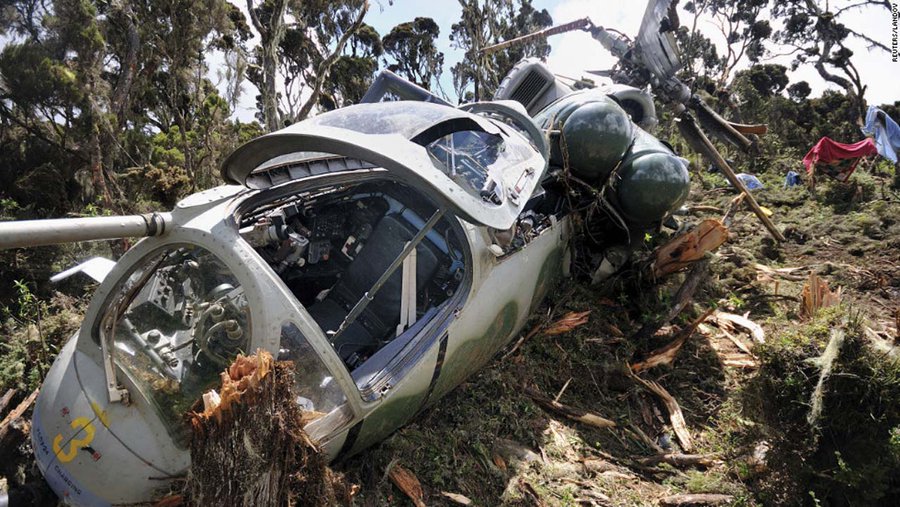
Police awaiting heavy equipment to recover wreckage of NAF aircraft
The aircraft marked NAF-931 with 25 people on board on Monday plunged into a swampy area near the Naval Base in Igbokoda.

NationWide
2027: INEC’s upload of our logo ended campaign uncertainty, says NDC
We are fighters and we will fight until the end,” Mr Dickson said.
Health
Tackling DR Congo Ebola outbreak is like battling ‘megafire,’ says MSF as cases surge in North Kivu
The MSF acknowledged that it cannot respond to the crisis alone.
Africa
81% African businesses expect rise in economic activities despite AfCFTA hurdles: PAFTRAC
PAFTRAC said access to finance remains a key challenge for African countries.
Hot news Home top
2027: Lagos leads with 7,488,633 registered voters as INEC names top 10 states
The INEC chairman said Ekiti State has 1,055,708 registered voters, while Bayelsa State has 1,200,691.

NationWide
Shettima departs Abuja for Addis Ababa to attend nutrition forum
Mr Nkwocha said said the VP delegation would tour key establishments dedicated to boosting nutrition delivery across the country.


