

New U.S. social media policy, bond deposit harmful to Nigerian visa applicants
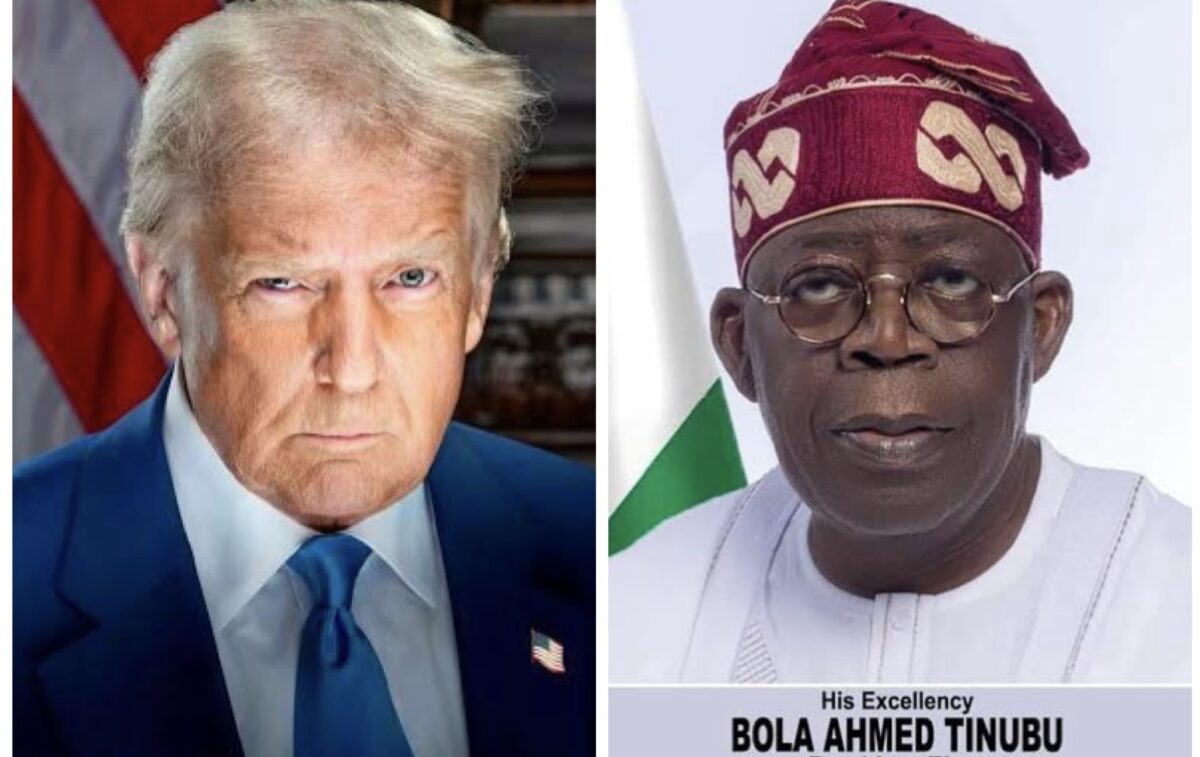
The United States has recently implemented a sweeping immigration policy requiring nearly all visa applicants to disclose their social media handles and digital records. Framed as a tool to bolster national security, counter terrorism, and curb cybercrime, the measure may appear reasonable on paper. But for Nigerians and many others from countries with vibrant, digitally active populations, the consequences are troubling and far-reaching.
Nigeria’s dynamic online culture is marked by satire, political commentary, and spirited debate. In this context, posts that are humorous or culturally specific may be misunderstood by foreign officials unfamiliar with the nuances of local discourse. What may be a harmless meme or satirical remark in Nigeria could be wrongly interpreted as extremist, subversive, or fraudulent by American immigration authorities.
This does not merely pose a risk to individual visa applicants. It threatens broader societal values such as freedom of expression, cultural authenticity, and civic engagement. It also risks further straining U.S.–Nigeria relations at a time when collaboration and mutual respect are more important than ever.
The U.S. government maintains that social media activity provides valuable insight into a visa applicant’s character, affiliations, and potential risks. In an age where radicalisation and misinformation can proliferate online, there is some logic to this argument. However, in practice, it opens the door to arbitrary interpretations, biased judgments, and significant invasions of privacy.
Disturbing cases have already emerged. A Norwegian tourist was recently denied entry into the U.S. after officials discovered a meme referencing Vice President J.D. Vance on his phone. In another case, a Nigerian businesswoman with a valid visa was turned away at a U.S. border after immigration officers reviewed her Instagram messages and claimed her online activity contradicted the nature of her visa. These examples illustrate how subjective and potentially discriminatory the enforcement of this policy can be.
Adding to the concern, the U.S. has launched a pilot program requiring visa applicants from select countries to pay a $15,000 bond. The initiative, which began with Malawi and Zambia, reportedly targets nations with high visa overstay rates and could be expanded. It sends a chilling message: that citizens of certain countries are presumed guilty until proven otherwise.
For Nigerians, the implications are especially severe. Privacy is the first casualty. Applicants must now submit their digital footprints, including personal conversations, private networks, and online affiliations with a foreign government. Freedom of expression is the next victim. Young Nigerians, who make up the majority of users on platforms like X (formerly Twitter), TikTok, and Instagram, may begin self-censoring out of fear that political opinions or cultural commentary could jeopardise their chances of travelling or studying abroad.
This policy disproportionately impacts the very demographic that is driving Nigeria’s innovation, creativity, and international reputation. Students, entrepreneurs, artists, and professionals, the most globally engaged Nigerians, are now the most vulnerable to misinterpretation and arbitrary visa denials. What constitutes a “red flag” is alarmingly subjective: a meme, a retweet, or a political statement could be enough to trigger rejection, with little recourse for appeal.
There are broader implications for the Nigerian diaspora and global mobility. Social media has long served as a bridge connecting Nigerians abroad with their homeland, facilitating civic dialogue, cultural exchange, and philanthropic engagement. If digital expression becomes a liability, this bridge may weaken, silencing a vital global voice and undermining transnational ties.
Moreover, the policy risks reinforcing damaging stereotypes. Nigerians already contend with international biases linking the country to fraud or instability. A policy that scrutinises their digital lives under a security lens could deepen mistrust, alienate young professionals, and diminish goodwill toward the United States.
The global repercussions are also concerning. If the US, a global standard-setter in immigration policy, normalises the collection and evaluation of applicants’ private digital histories, other countries may follow suit. This would set a dangerous precedent, where opportunities for global mobility depend not on merit or intent, but on an algorithmic analysis of social media behaviour often devoid of cultural context.
National security is undeniably important. But it must be balanced with fairness, proportionality, and respect for fundamental rights. This policy represents a dangerous overreach, one that sacrifices privacy, chills free expression, and penalises those who should be celebrated for their global engagement.
If the United States is truly committed to fostering partnerships with countries like Nigeria, it must recognise that sustainable security cannot be built on suspicion and surveillance. Instead, it should embrace and empower the voices of Nigeria’s youth, educated, innovative, and globally connected, who could be among America’s strongest allies in the decades ahead.
Femi Soneye, a seasoned media strategist and former chief spokesman for NNPC Ltd, is known for his sharp political insight, bold journalism, and high-level stakeholder engagement across government, corporate, and international gatherings

We have recently deactivated our website's comment provider in favour of other channels of distribution and commentary. We encourage you to join the conversation on our stories via our Facebook, Twitter and other social media pages.

More from Peoples Gazette

States
Independence: NBA urges Nigerians to expect better future
The NBA said that ordinary Nigerians should be deriving benefit from the subsidy removal rather than hardship.

Agriculture
FG tasks ECOWAS on leveraging financing strategies for agroecology
The federal government has urged stakeholders in the agriculture and finance sectors in the West Africa region to leverage financing strategies to enhance agroecology practices

Politics
Katsina youths pledge to deliver over 2 million votes to Atiku
“Katsina State is Atiku’s political base because it is his second home.”
Heading 3
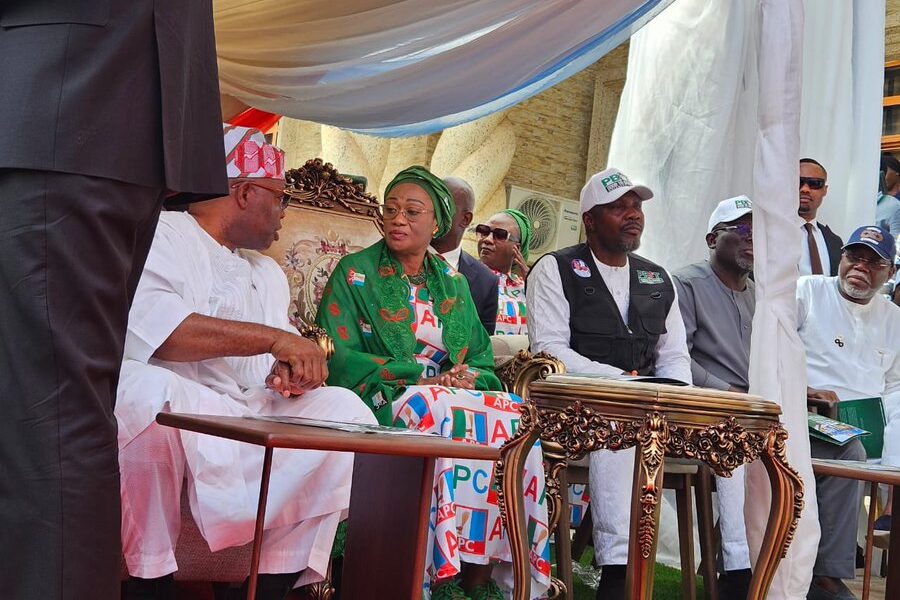
APC will give those who don’t see good things happening in Nigeria Tinubu glasses to see clearly: Remi Tinubu
Mrs Tinubu prayed that she plans to leave the Aso Rock in 2031.

Africa
Nigeria hosts African counter-terrorism forum in Abuja Monday
Mr Adamu said the proposed forum would review progress under the Abuja Process.
Diaspora
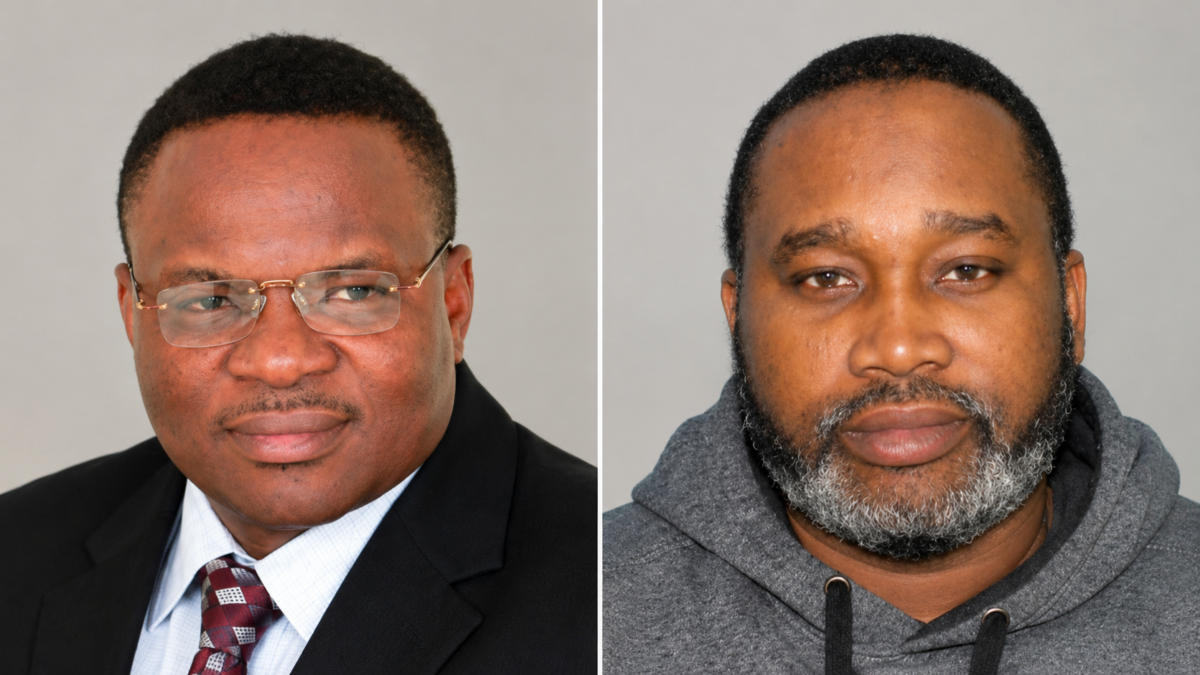
U.S. declares two Nigerians Ezechukwu, Olukoya wanted over conspiracy, $3.1 million medicare fraud
The health department said Mr Ohaka falsely referred to himself as Dr. Joshua Ohaka.
Uncategorized
Bundibugyo Ebola in DRC, Kenya, Nigeria requires strengthened regional surveillance: WHO
The WHO said transmission remained high in the DRC.
Heading 1
Trump administration deported 980,000 migrants in 18 months: Report
The report stated that across all 980,000 deportations carried out by ICE or CBP, 20 per cent (190,000) involved a non-citizen convicted of a crime.

NationWide
Nigeria’s Ebola case genetically similar to Kenya index case, says Pate
The minister said the finding could influence the understanding of the virus’ transmission route.


