

Omicron: Travellers to U.S. to face tougher COVID-19 rules
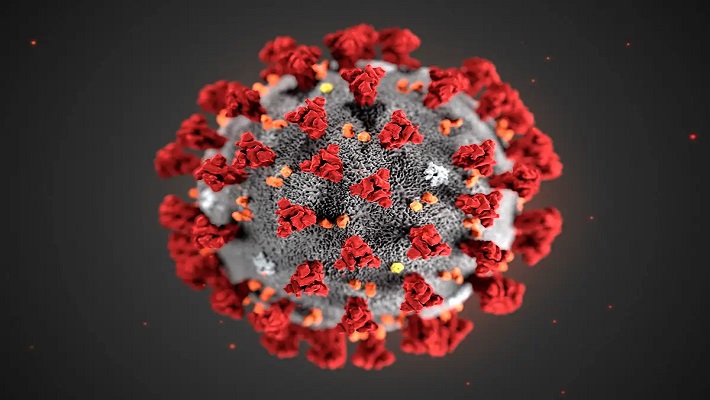
Air travellers to the United States (U.S.) will face tougher COVID-19 testing rules as several countries move to close their borders amid growing uncertainty around the virulence of the Omicron variant.
The Omicron variant can dodge existing vaccines.
In Asia-Pacific, Hong Kong and Japan said they would expand travel curbs, while Australia was bracing for more Omicron cases after at least two people visited several locations in its biggest city while likely infectious.
In an attempt to stave off hasty global border restrictions, the World Health Organisation called on countries to apply “an evidence-informed and risk-based approach” to travel measures.
The WHO said blanket travel bans would not prevent the spread, and they “place a heavy burden on lives and livelihoods.”
More than 50 countries were reportedly implementing travel measures to delay the import of Omicron as of November 28 potentially, the WHO added.
Investors remained on edge on Wednesday, even as financial markets came off lows plumbed a day earlier following remarks by the CEO of Moderna that raised questions about the efficacy of COVID-19 vaccines against Omicron.
Global health officials have since sought to offer reassurances and reiterated calls for people to get vaccinated.
“Even if the new variant becomes more widespread, the vaccines we have will continue to provide protection,” European Medicines Agency Executive Director Emer Cooke said.
Echoing remarks by vaccine maker BioNTech and scientists, Cooke said laboratory analyses should indicate whether the blood of vaccinated people has sufficient antibodies to neutralise the new variant over the next two weeks.
BioNTech’s CEO said the vaccine it makes in a partnership with Pfizer would likely offer strong protection against severe disease from Omicron.
The WHO classified Omicron as a “variant of concern” due to the number of mutations that might help it spread or evade antibodies from prior infection or vaccination.
First reported in southern Africa a week ago, Omicron has triggered global alarm, led to travel bans, and highlighted the disparity between massive vaccination pushes in rich nations and sparse inoculation in the developing world.
(Reuters/NAN)

We have recently deactivated our website's comment provider in favour of other channels of distribution and commentary. We encourage you to join the conversation on our stories via our Facebook, Twitter and other social media pages.

More from Peoples Gazette

Agriculture
FG tasks ECOWAS on leveraging financing strategies for agroecology
The federal government has urged stakeholders in the agriculture and finance sectors in the West Africa region to leverage financing strategies to enhance agroecology practices

Politics
Katsina youths pledge to deliver over 2 million votes to Atiku
“Katsina State is Atiku’s political base because it is his second home.”

Education
Niger govt bans graduation ceremonies in private schools
The Niger Private Schools Board has discontinued graduation ceremonies in all private schools with immediate effect.
Abuja
Court sentences notorious bandit’s ally to 20 years’ imprisonment
The court convicted Muhammad Sani, arrested and prosecuted by SSS, for concealing information that could have led to the arrest of a notorious bandit.

Abuja
Social media won’t fetch Tinubu 10 million votes in 2027 election: City Boy Movement
“Ten million votes will not come from slogans or social media. They will come from real people, real members, real engagement and hard work,” CBM’s chief said.
States
SGBV: Abia child molesters convicted, sentenced to 40 years’ imprisonment
Two Abia child molesters have been convicted and sentenced to 30 years and 10 years’ imprisonment, respectively.

Showbiz
NFVCB launches film industry masterclass
NFVCB inaugurated its maiden Masterclass Series to strengthen Nigerian filmmakers’ legal, business and production skills for sustainable industry growth.
Anti-Corruption
Nigerian govt, security forces leaving gaps for criminal networks, illegal miners to fill: Reps
“That gap has a name: illegal mining, weak enforcement and the laundering of proceeds that should belong to the Nigerian people,” Sannio Abdulraheem said.


