

Over 79,000 vulnerable may be denied access to healthcare in Kaduna: Official
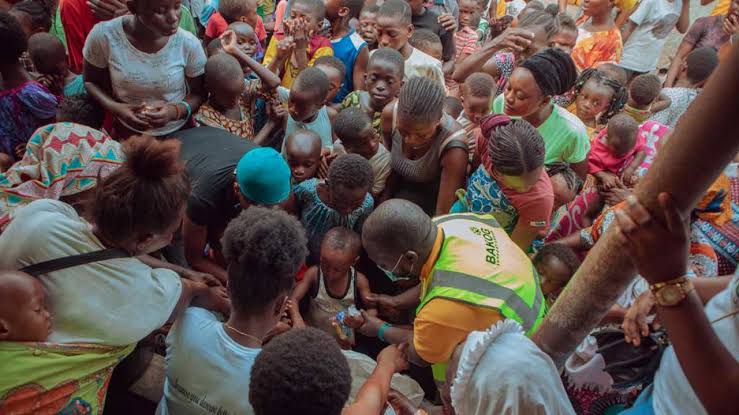
Mustapha Jumare, citizens co-chair, Kaduna Maternal Accountability Mechanism (KADMAM), says at least 79,329 vulnerable groups may be denied access to basic services in the state’s healthcare facilities.
Mr Jumare told journalists in Kaduna that the development followed the state government’s failure to remit the one per cent consolidated revenue amounting to N840 million in the state’s budget.
“The money was to be remitted to Kaduna State Contributory Health Management Authority (KADCHMA) monthly to cover the basic healthcare needs of the poor and vulnerable in the state,” he explained.
Mr Jumare described the development as “counterproductive” to establishing the health scheme, which was to reduce out-of-pocket expenditure for health services among the poor and vulnerable population.
“We have a total of 2.6 million poor and vulnerable individuals from 680,888 households captured in the state social register, but only 79,329 vulnerable people were enrolled in the health scheme.
“The health scheme is mainly to meet the basic health needs of the poor at affordable cost without exposing the population to financial risks. If we have failed on this, then we have failed as a government,” he said.
He called on the state government to ensure timely remittance of the allocated funds even if it would be every quarter.
Also speaking, Balarabe Idris-Jaji, the chairman of the Kaduna State chapter of the Ward Development Committees, described the development as “very unfortunate”.
He also called on the government to ensure regular remittance of the fund to ensure the scheme’s sustainability.
On his part, Joseph Jokshan, desk officer, Basic Health Care Provision Fund, Kaduna State Primary Health Care Board, said the board had received a memo from KADCHMA over the non-remittance of the fund.
Mr Jokshan said KADCHMA informed the board in the memo of its decision to stop payment to health facilities providing health services to the 79,329 vulnerable people due to the non-remittance of the fund.
He explained that the non-remittance of the fund was due to competing demands, adding, however, that the government was doing all that it could to ensure the timely release of the fund.
He said that the board had directed KADCHMA to continue providing services in line with the government goals and objectives clearly stated in the policy and the law that established the authority.
(NAN)

We have recently deactivated our website's comment provider in favour of other channels of distribution and commentary. We encourage you to join the conversation on our stories via our Facebook, Twitter and other social media pages.

More from Peoples Gazette

Agriculture
FG tasks ECOWAS on leveraging financing strategies for agroecology
The federal government has urged stakeholders in the agriculture and finance sectors in the West Africa region to leverage financing strategies to enhance agroecology practices

Politics
Katsina youths pledge to deliver over 2 million votes to Atiku
“Katsina State is Atiku’s political base because it is his second home.”

Africa
Information minister congratulates Ibietan on re-election as APRA scribe
Mr Idris described Mr Ibietan’s re-election as a well-deserved recognition of his professionalism.

States
Niger governor donates N100 million to IBBU’s College of Medicine, 41 pioneer medical students
Mr Bagana stated that the 41 pioneer medical students of the institution comprised 21 males and 20 females.

Politics
2027: Minister vows to mobilise one million votes for Tinubu, Radda in Katsina
Mr Rabe-Darma vowed to mobilise over one million votes for President Bola Tinubu and Governor Dikko Radda ahead of the 2027 elections.

Heading 5
Mamdani considers arresting Israeli PM Netanyahu if he visits New York
Mr Mamdani said his administration’s legal department is weighing the option of arresting the Israeli leader as determined by the law.
Lagos
LAWMA unveils reforms to end waste backlog in Lagos
He said conventional dumpsites were no longer sustainable because of Lagos’ coastal terrain, limited land availability and growing urban population.

Economy
EU bans destruction of unsold clothing
The policy took effect on Sunday, and the EU also announced it would extend to medium-sized companies starting in 2030.


