

PWDs suffer significant abuse, discrimination during COVID-19: Report
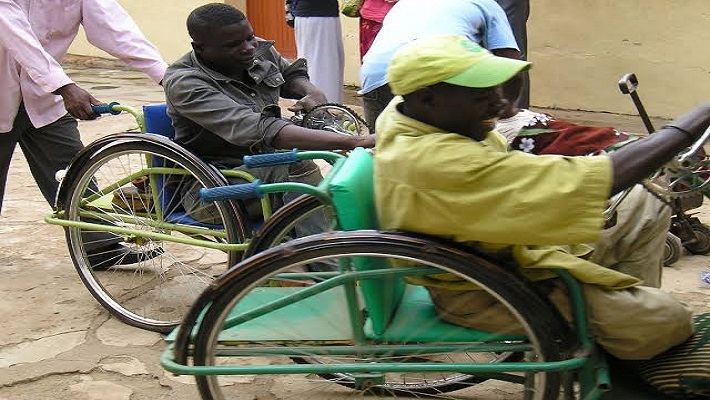
A study in the UK revealed that people living with disabilities are faced with life-threatening abuse and discrimination due to the COVID-19 pandemic.
The study conducted by the University of Birmingham indicates that people living with disabilities are faced with major barriers across all sectors of society in low-and middle-income countries that affects their access to healthcare, jobs and expose them to violence.
“Disabled people across the Global South have faced significant discrimination during the COVID-19 pandemic, leaving them at greater risk of life-threatening abuse, violence and mental health problems, according to a new study.
“They encountered major barriers across all sectors of society in Low- and Middle-Income Countries (LMICs): deprioritised in healthcare; excluded from education; facing significant poverty due to unemployment; and experiencing significant abuse and violence both in community and institutions,” the report said.
According to the finding by the two university researchers Vera Kuben and Dina Kiwan, it was published as part of their GCRF Network+ Disability UnderSiege project, focusing on health, education, economy, and community.
The key findings include major challenges base on their access to health, education, economy and treatment in the communities.
The findings were pulled from the analysis of 113 texts and 67 reports from Non-Governmental Organisations, UN agencies, governments and Disabled People’s Organisations plus 46 academic research papers, including 14 on the impact of previous disasters and pandemic on disabled people.
After the research was concluded, Mr Vera, said “We found significant discrimination faced by disabled people across all sectors of society – deprioritised in healthcare, excluded from education, facing poverty and experiencing abuse and violence. For many, these exclusions have been just as life-threatening as COVID-19.
“Where governments have acted to limit the pandemic’s impact, disabled people have been excluded from plans. There is also a worrying lack of data on how disabled people have been affected – meaning policymakers cannot assess the impact and take mitigating action.”
The study recommends five key that will address the oppression faced by people with disability under COVID-19.

We have recently deactivated our website's comment provider in favour of other channels of distribution and commentary. We encourage you to join the conversation on our stories via our Facebook, Twitter and other social media pages.

More from Peoples Gazette

States
Independence: NBA urges Nigerians to expect better future
The NBA said that ordinary Nigerians should be deriving benefit from the subsidy removal rather than hardship.

Agriculture
FG tasks ECOWAS on leveraging financing strategies for agroecology
The federal government has urged stakeholders in the agriculture and finance sectors in the West Africa region to leverage financing strategies to enhance agroecology practices

Politics
Katsina youths pledge to deliver over 2 million votes to Atiku
“Katsina State is Atiku’s political base because it is his second home.”

Politics
NDC postpones national campaign council inauguration to October 26
Mr Director also urged party members and supporters to remain focused on its electoral objectives ahead of the 2027 elections.

Health
NAFDAC probes death of Enugu NYSC member amid concerns over medicines
Ms Adeyeye said NAFDAC would take appropriate action based on the outcome of its investigations.

Lagos
2027: Lagos APC reaffirms target of five million votes for Tinubu
Mr Ojelabi said the APC must translate its political structures into effective voter engagement and mobilisation to achieve the target.

States
Lagosians face blackout as Ikeja Electric blames low allocation by national grid
Ikeja Electric appreciated customers for their understanding and assured that efforts are ongoing to restore power.
Education
10,000 Borno pupils get free educational materials
Mr Ibrahim said the materials had been distributed by the state government to the pupils across primary and junior secondary schools.

States
Ogun NMA proposes 10-point healthcare agenda for incoming govt
The NMA chairman urged the incoming administration to implement a comprehensive policy to address staffing shortages and remuneration.


