

Qatar 2022 Qualifiers: Argentina, Brazil fight over COVID-19 rule, match suspended

The 2022 FIFA World Cup qualifier between Brazil and Argentina in Sao Paulo has been suspended due to a breach of Brazilian COVID-19 restriction rules.
On Sunday, in extraordinary scenes, health officials entered the pitch early in the game to object to the participation of three Argentinian players who had allegedly broken the coronavirus travel rules.
They did so by providing false information in the entry form, according to Antonio Barra Torres, the president of the Brazilian health regulatory agency Anvisa.
“By decision of the referee, the match between Brazil and Argentina at the World Cup qualifiers organised by FIFA is suspended,” South American ruling body CONMEBOL said, adding that world governing body FIFA would decide what should be the next step.
The Argentinian football federation (AFA) president, Claudio Tapia, said what happened “is unfortunate for football.”
“Four people entered (the pitch) to interrupt the game with a notification, and CONMEBOL asked the players to go to the locker room,” he explained.
Anvisa had previously asked the federal police to send away Emiliano Martinez, Emiliano Buendia, Cristian Romero, and Giovani Lo Celso due to the breach of the COVID-19 regulations.
However, just before the match, the AFA and the Brazilian government reached an agreement, and the players were allowed to participate in the game.
Torres denied the agreement, insisting, “These players must be deported.”
According to news portal G1, the federal police tried to reach the players in the hotel and then in the locker room but were not allowed by AFA.
The four are from the English Premier League (EPL), and travellers cannot enter Brazil if they have been in the country 14 days before the trip.
“We got to this point because they did not comply with the Anvisa guidelines,” Torres said.
Anvisa said in a statement released before the game it had asked the federal police to “take action immediately.”
Before travelling to Sao Paulo, the players declared they were in Venezuela.
But Anvisa said non-official sources informed that this statement was not true.
“After meeting with health authorities, it was confirmed, following a passport check of the four players involved, that the athletes disrespected travelling rules,” Anvisa said.
(dpa/NAN)

We have recently deactivated our website's comment provider in favour of other channels of distribution and commentary. We encourage you to join the conversation on our stories via our Facebook, Twitter and other social media pages.

More from Peoples Gazette

Agriculture
FG tasks ECOWAS on leveraging financing strategies for agroecology
The federal government has urged stakeholders in the agriculture and finance sectors in the West Africa region to leverage financing strategies to enhance agroecology practices

Politics
Katsina youths pledge to deliver over 2 million votes to Atiku
“Katsina State is Atiku’s political base because it is his second home.”

States
Niger govt embarks on 321 rural development projects
He said many of the projects were community-driven.
Lagos
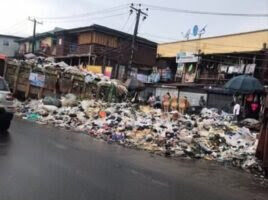
Residents, traders bemoan health risks as refuse overruns Oyingbo road
Ms Adebayo said that the situation had discouraged customers from patronising them.
Africa
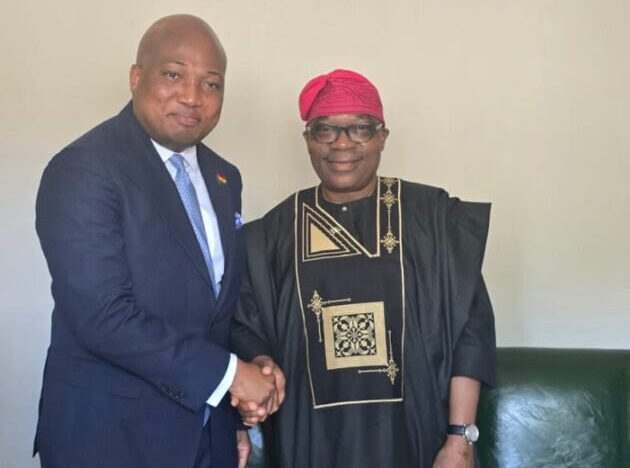
Nigeria, Ghana join forces against afrophobic protests
The ministers agreed to deepen bilateral ties to ensure the issue of Afrophobia is placed on the agenda of the next African Union summit.
Heading 3
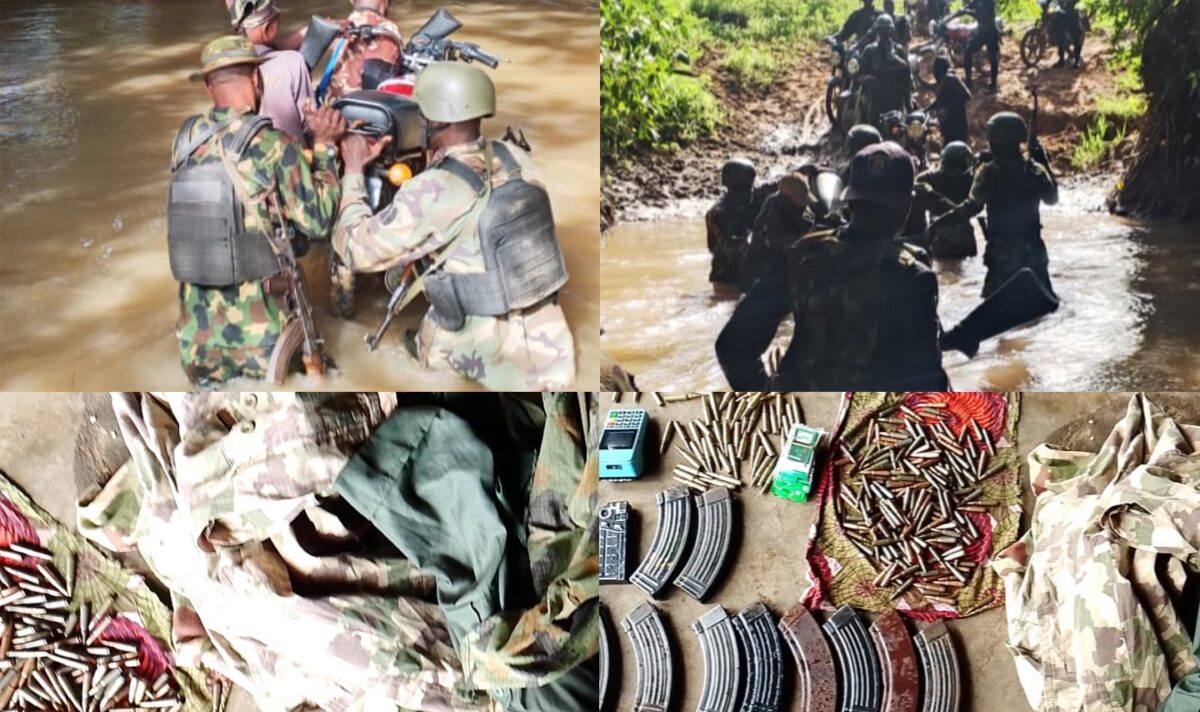
Troops kill two terrorists, rescue three victims in two-day raid of Benue hideout
Mr Zubairu stated, “The operation commenced at about 0300 hours on 16 July and concluded on 17 July 2026.”

NationWide
Institute, AFFCN sensitise grassroots to tax, electoral, reforms
Mr Adebayo stated that the unique strength of the initiative was the strategic involvement of former councillors drawn from the six South-South states.
NationWide
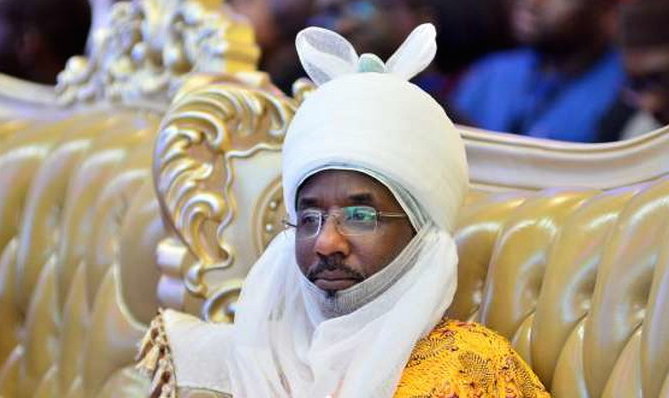
Nigeria’s energy crisis biggest obstacle to industrialisation: Sanusi
Mr Sanusi said addressing the country’s estimated 100 billion-dollar power infrastructure funding gap would require deep structural reforms.


