

Road To Qatar: Boycott campaigns gain traction on Doha’s entrenched human rights violations
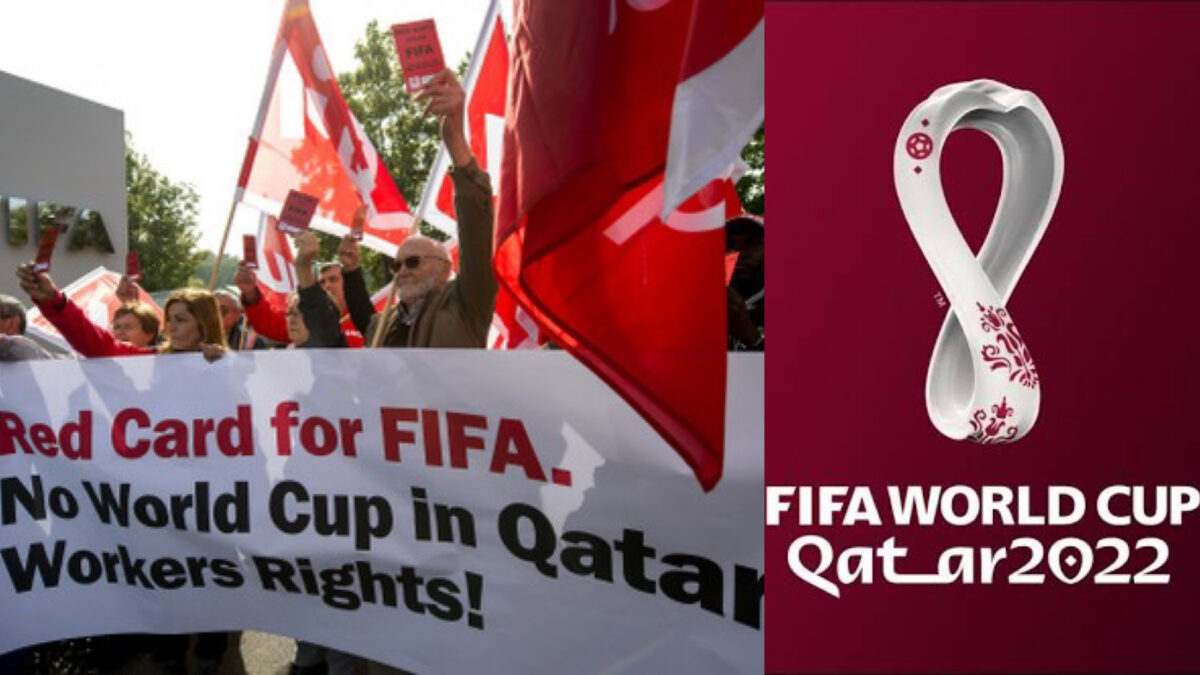
The world’s biggest football show moves to Arabian peninsula Qatar this fall. It is the first time the FIFA World Cup will be held in the Gulf region, albeit amid widespread reservation for the host nation’s predominantly conservative nature.
Sepp Blatter, former FIFA president, pushed against all odds to stage the beautiful game’s biggest tournament beyond Europe and the Americas, first handing hosting rights to the Orientals (Korea/2002) before moving it to South Africa in 2010. But the decision to take the World cup to the oil rich Persian state, even by Mr Blatter’s admittance, has proved to be a costly mistake.
Mr Blatter didn’t survive the backlash as he drowned in the rancorous corruption probe that ensued, forcing his resignation. Yet, the Qatar 2022 FIFA World Cup is billed to go ahead this winter.
Nonetheless, the pushback against Qatar’s hosting remains palpable, chiefly due to its human rights antecedents.
In the previous offering, Peoples Gazette had highlighted how the extremely arid country had been preparing comfortable stadiums with hi-tech cooling systems to stage a show which could see more than 1.7 million people visiting.
We now look at how Qatar’s unsavoury record on human rights may keep some people away from the 2022 mundial.
The final match of the World Cup will be held at the Khalifa International Stadium in Qatar. But what is supposed to be a joyous climax will be marred by the knowledge that the supporters are standing in a stadium, partly constructed through the systematic abuse of migrant labourers and, in some cases, forced labour.
Some reports estimate that up to 2500 migrant workers have died in Qatar since 2010. The Guardian UK reported that in 2014, up to 188 Nepalese migrant workers died working on infrastructure to be used during the forthcoming World Cup.
The writers of the 2014 ESPN documentary “Trapped in Qatar” estimated that by the time the first ball is kicked in November, over 4,000 mobile workers will have died.
Amnesty International released a report on the working conditions in which it was alleged that many workers are being forced to live in squalid cramped conditions, while others were paid for several months and had their passports confiscated and exit visas refused.
According to the report, one Nepalese worker recounted being prevented from leaving the country to return home after a massive earthquake. He claimed he wanted to see if his family had survived; he was denied an exit visa.
FIFA and their many sponsors, when pressed for comment, claimed that they are monitoring the situation closely and with concern. Yet their actions showed little evidence to support that.
In their official response to the Amnesty International report, FIFA suggested that it wasn’t their job to become involved in the internal political affairs of host countries.
Overturning a government-instituted ban on alcohol in stadiums in Brazil in 2014 and setting up their criminal courts in South Africa in 2010 didn’t count to them anymore. It would seem to many that the interference is only feasible when there’s a profit to be made.
Qatar also has LGBTQ+ on its long list of human rights violations. As has been widely reported, same-sex relationship is a crime in Qatar, many times punished by death. Domestic violence is not a crime, though, and freedom of speech is far from guaranteed, as proved in 2012 when a Qatari poet was given a life sentence for inciting to overthrow the system.
Many people feel that to allow this competition to proceed unchallenged in Qatar is to support their government’s choices. It’s not simply Western morality; it’s football’s supposedly morality.

We have recently deactivated our website's comment provider in favour of other channels of distribution and commentary. We encourage you to join the conversation on our stories via our Facebook, Twitter and other social media pages.

More from Peoples Gazette

States
Independence: NBA urges Nigerians to expect better future
The NBA said that ordinary Nigerians should be deriving benefit from the subsidy removal rather than hardship.

Agriculture
FG tasks ECOWAS on leveraging financing strategies for agroecology
The federal government has urged stakeholders in the agriculture and finance sectors in the West Africa region to leverage financing strategies to enhance agroecology practices

Politics
Katsina youths pledge to deliver over 2 million votes to Atiku
“Katsina State is Atiku’s political base because it is his second home.”
Abuja
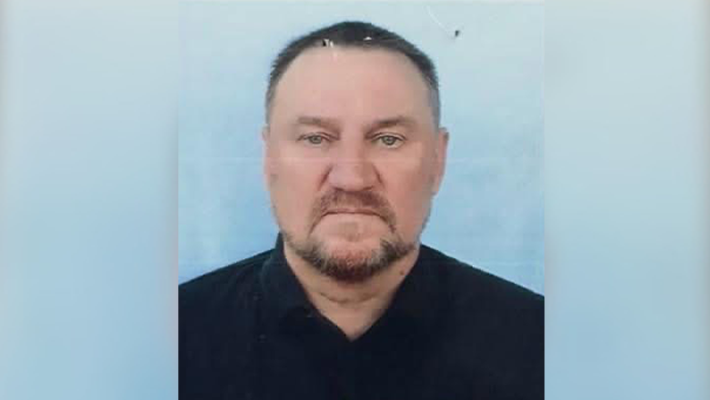
EFCC arraigns ALSCON, director Zavyalov Dmitry for money laundering
The company’s counsel also asked the court to quash the charges, claiming the company was innocent. The judge adjourned the matter until January 2027.

Anti-Corruption
Court dismisses Sanwo-Olu’s paramour Aisha Achimugu’s N10 billion suit against EFCC
The judge ruled EFCC had no basis to restrain it from carrying out its statutory duties and dismissed her claim for damages, calling the suit “frivolous and brought in bad faith”.

Economy
IMF warns collateral-backed financing can deepen liquidity risks for African borrowers
IMF warned African borrowers that securing private credit from direct lenders with high-value collateral could increase default and liquidation risk.
NationWide
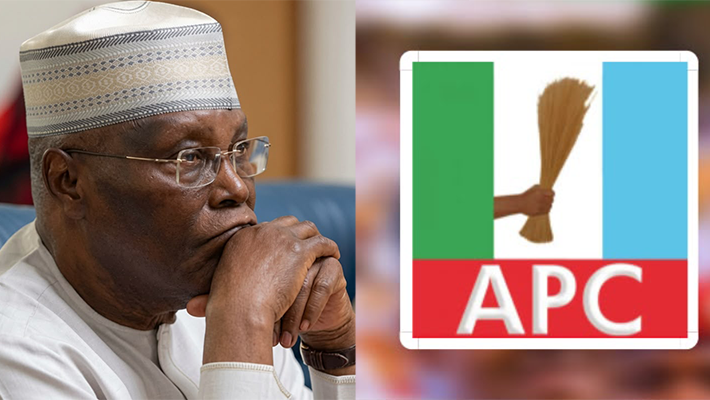
APC won’t dishonour Atiku despite disrespecting Tinubu, presidency, says campaign council
The campaign council said its presidential campaign would focus on issues important to Nigerians.

Economy
UN chief urges overhaul of global debt architecture as developing countries meet
United Nations chief António Guterres stressed the need to correct power imbalances in the global debt architecture.
Anti-Corruption
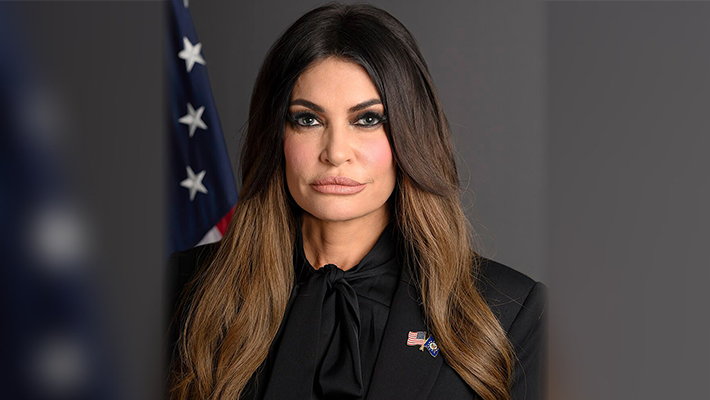
Trump considering firing U.S. ambassador to Greece Kimberly Guilfoyle over bribery allegation
Eric Deters, a Trump donor, exposed Ms Guilfoyle asking him to pay her outstanding $100,000 American Express bill before her 2025 Senate confirmation hearing.


