

Russia deploys nuclear-capable Oreshnik missile in attack on Ukraine

At least four people were killed and 19 others injured in Kyiv after Russia pummelled Ukraine with missiles and drones overnight, using its nuclear-capable Oreshnik missile to target western Ukraine.
Kyiv Mayor Vitali Klitschko said on Friday that a doctor was among the dead, while four medical workers were injured. Critical infrastructure had been hit in the attack, and some parts of the city were without power or water, he wrote on Telegram.
Russia’s defence ministry said on Telegram that the strikes were carried out in response to an alleged “terrorist attack” by Kyiv on a residence of President Vladimir Putin on December 29, 2025.
Facilities producing unmanned aerial vehicles used in the alleged attack, as well as energy infrastructure, were hit, the ministry said.
Moscow claimed Ukraine attempted to attack Mr Putin’s Valdai residence in western Russia with 91 drones, all of which it said were shot down.
Experts have questioned Russia’s account.
Ukraine rejected the accusations and accused Moscow of using the false claim to justify strikes on government buildings.
In the west of Ukraine, the Western Command of Ukraine’s Air Force earlier said a Russian strike on Lviv was conducted using an unidentified ballistic missile.
The Ukrainian military reported that the missile was launched from the Kapustin Yar test area in Russia’s Astrakhan, a known launch site for the Oreshnik medium-range ballistic missile.
Lviv Mayor Andriy Sadovyi said explosions had been recorded in the city, but there was currently no information on casualties. Civilian facilities and residential buildings in the city were not damaged, he added.
The Russian defence ministry said the Oreshnik missile was used as part of the attacks on western Ukraine, marking the second strike on Ukraine involving the weapon.
“The Russian armed forces have launched a massive strike with ground- and sea-based high-precision long-range weapons against critical targets in Ukraine, including the Oreshnik medium-range complex and drones,” the ministry said in a statement.
Russia first fired an Oreshnik missile at Ukraine’s industrial city of Dnipro in November 2024.
At the time, Mr Putin justified the strike as retaliation for Kyiv’s use of long-range Western weapons against military targets in the Russian hinterland.
Mr Putin claimed that Western air defence systems were incapable of intercepting the Oreshnik. He also said it could hit targets as far away as Western Europe.
The first Oreshnik missile deployed against Ukraine did not carry warheads, with damage caused solely by its high speed.
Still in testing at the time, the weapon can carry conventional and nuclear warheads and, with speeds up to 12,000 kilometres per hour and a range of 5,000 kilometres, poses a potential threat to Europe.
The second Oreshnik targeting Ukraine was carrying conventional warheads, according to the Russian military.
(dpa/NAN)

We have recently deactivated our website's comment provider in favour of other channels of distribution and commentary. We encourage you to join the conversation on our stories via our Facebook, Twitter and other social media pages.

More from Peoples Gazette

States
Independence: NBA urges Nigerians to expect better future
The NBA said that ordinary Nigerians should be deriving benefit from the subsidy removal rather than hardship.

Agriculture
FG tasks ECOWAS on leveraging financing strategies for agroecology
The federal government has urged stakeholders in the agriculture and finance sectors in the West Africa region to leverage financing strategies to enhance agroecology practices

Politics
Katsina youths pledge to deliver over 2 million votes to Atiku
“Katsina State is Atiku’s political base because it is his second home.”
Heading 5
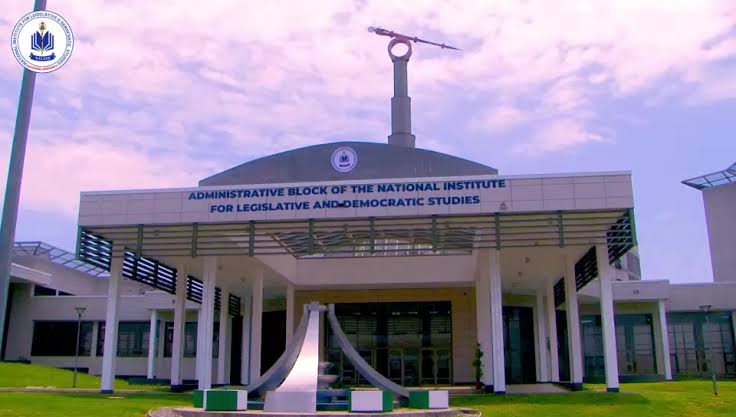
NILDS seeks stronger role for women in governance
According to the DG, democracy in Nigeria has come to stay and requires collective commitment.

Lagos
Lagos recruits 45 personnel to boost enforcement on Lekki-Epe corridor
Mr Osiyemi noted that the corridor had staffing challenges that slowed down operations.

Heading 2
Education minister inaugurates Nigeria’s first robotic surgery academy
Mr Alausa said the initiative would expand advanced medical training.
Health
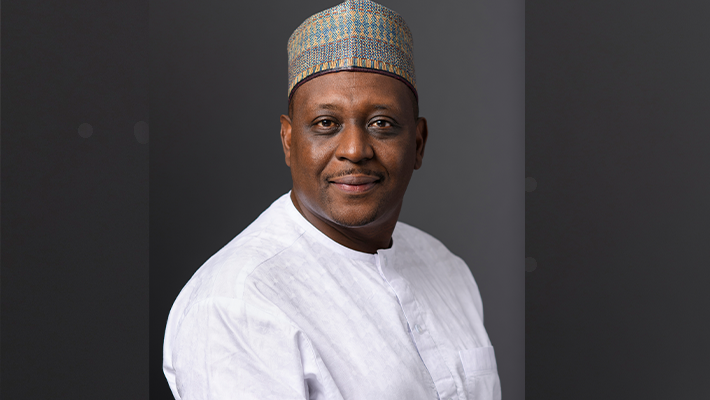
Pate warns politicians against politicising Ebola case
Mr Pate said health is a unifying issue that transcends political, ethnic and religious affiliations.
Economy
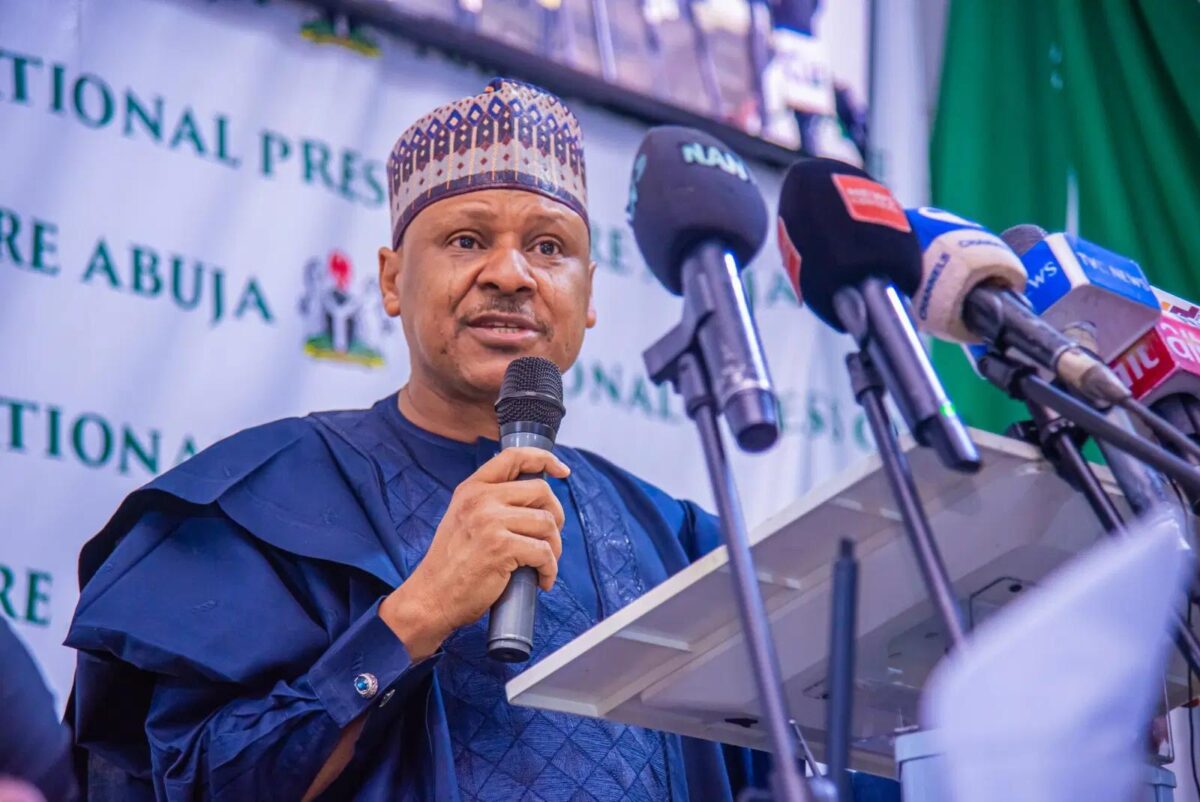
Tinubu’s economic reforms paving way for prosperity: Minister
The minister explained that the reforms were deliberate and courageous, aimed at addressing longstanding structural weaknesses.

Health
Kaduna expands last-mile health supply project to 1,000 facilities
Ms Isyaku said four zonal warehouses in Ikara, Sabon Gari, Zaria and Kafanchan, established under the project, were operational.


