

School Resumption: Enugu parents propose shift system

Some residents in Enugu State are canvassing for the adoption of two shifts for academic activities in primary and secondary schools as the government announced January 18 for the reopening of schools in the state.
A cross-section of the parents who spoke with NAN on Saturday said they were advocating for such a move in order to reduce overcrowding and thus wide-scale transmission of COVID-19 within schools.
They specifically recommended morning and afternoon sessions as a viable shift system.
Emmanuel Chike, a parent, said that the resumption of schools on January 18 was a welcome development as the students had over stayed at home.
Mr. Chike suggested that morning and afternoon sessions should be created in all schools, as it would enable both the pupils and students to observe all COVID-19 protocols successfully.
Another resident, Ada Ikejiobi, explained that the two sessions would reduce the population of the pupils and students in classrooms, thereby creating a more conducive environment for learning, in spite of the pandemic.
“When pupils and students are reduced in number in schools, their numbers in classrooms will also be reduced, therefore maintaining physical or social distancing will not be difficult.
“Orderliness in every activity in the school will also be maintained,” Mrs. Ikejiobi said.
Eugene Onyema, who has wards in a primary school, recommended that Nursery to primary three pupils should be allowed to attend classes in the morning, while primary four to six pupils should attend the afternoon session.
”The secondary schools should also follow the same system, Junior Secondary School (JSS 1-3) to attend classes in the morning, while the Senior Secondary Schools (SSS1-3) attend theirs in the afternoon,” Mr. Onyema said.
Henry Ugochukwu noted that the reason for the recommendation was to have a successful academic year in 2021, in spite of the COVID-19 pandemic.
“I think the morning and afternoon sessions in schools were being practiced in the 1970s and 1980s, in some states in Nigeria, and it was a success because academic performances among students were high.
“As we enter the second phase of the COVID-19 pandemic, I suggest that the government creates two sessions for our children’s academic success,” Mr. Ugochukwu added.
NAN

We have recently deactivated our website's comment provider in favour of other channels of distribution and commentary. We encourage you to join the conversation on our stories via our Facebook, Twitter and other social media pages.

More from Peoples Gazette

States
Independence: NBA urges Nigerians to expect better future
The NBA said that ordinary Nigerians should be deriving benefit from the subsidy removal rather than hardship.

Agriculture
FG tasks ECOWAS on leveraging financing strategies for agroecology
The federal government has urged stakeholders in the agriculture and finance sectors in the West Africa region to leverage financing strategies to enhance agroecology practices

Politics
Katsina youths pledge to deliver over 2 million votes to Atiku
“Katsina State is Atiku’s political base because it is his second home.”

Africa
FJN mourns veteran journalist Veronica Gordon killed in ambush
Ms Gordon was a South Sudanese broadcast journalist and human rights activist.
Heading 5
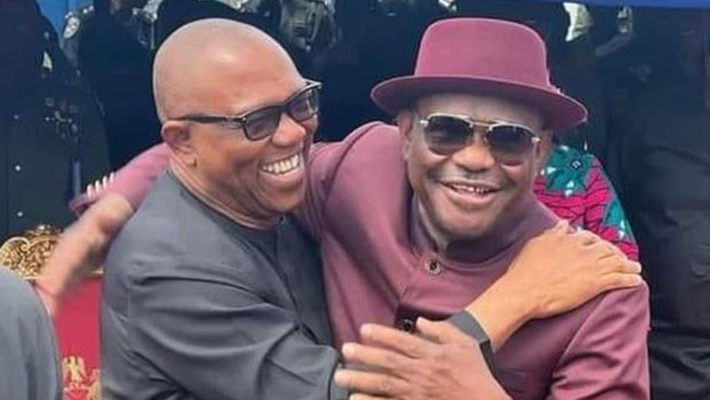
NDC knocks Wike for calling Obi “lawless” over old national anthem rendition at party event
The minister said a leader who disregards national symbols, including the national anthem, cannot be trusted with the presidency.
Hot news Home top
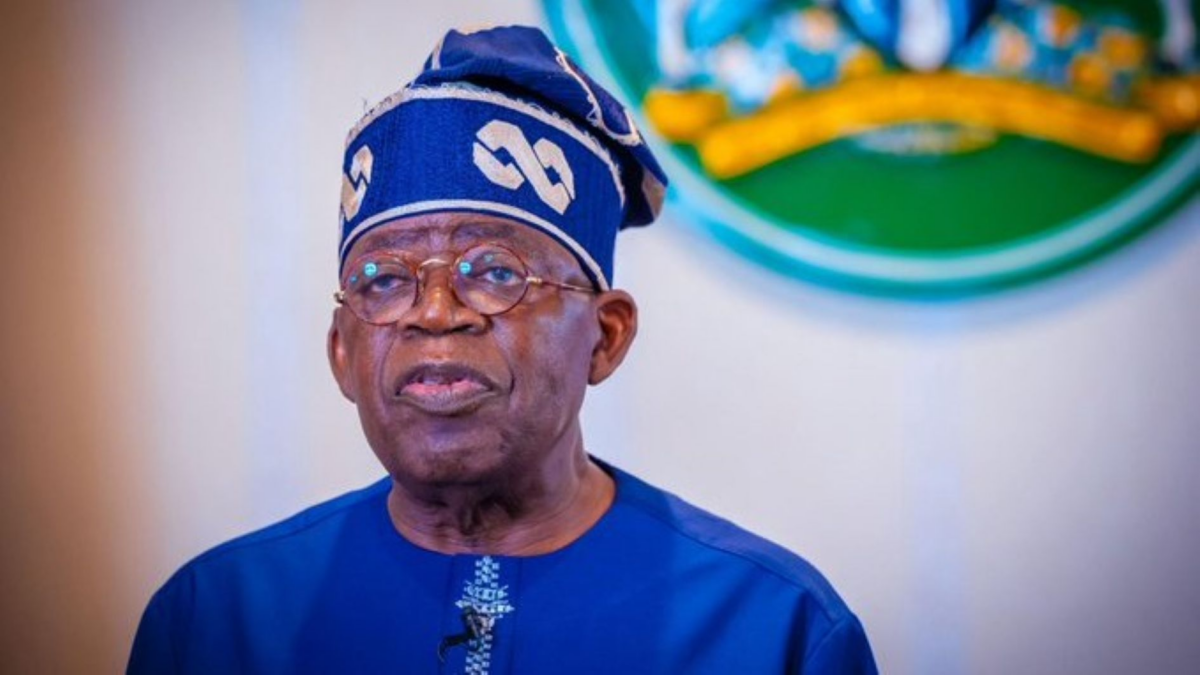
2027: Tinubu warns politicians against political thuggery, violence
The president said violence has no place in Nigeria’s political process.

Anti-Corruption
Kwara court jails two for illegal mining
The convicts were sentenced after pleading guilty to the charges.

Abuja
Worshippers, passersby stone Tinubu’s convoy at Abuja mosque, chant ‘Bamayi’
Security guards were also seen dispersing the worshippers and passersby who stoned Mr Tinubu’s convoy.
Economy
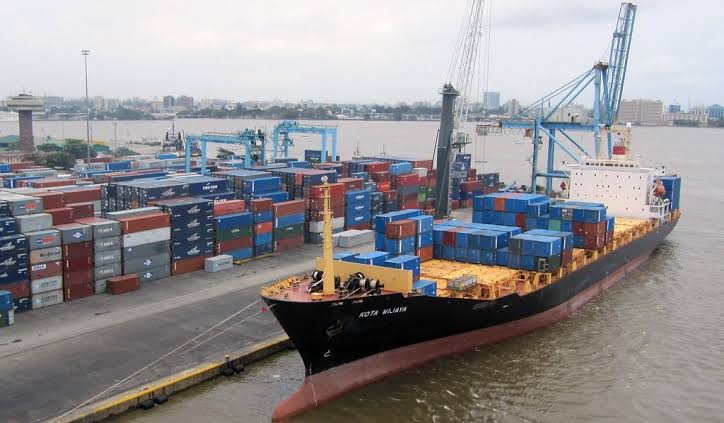
Economist urges FG to tackle port delays
He described Nigeria’s maritime challenge as a failure to convert its vast potential into economic gains.


