

To protect our planet, we need bold African leadership

Our continent is the most vulnerable to climate change, warming faster than the global average temperature, and the least able to afford the cost of implementing policies and practices that collectively make up what is called “adaptation” to climate change. Without immediately embracing a revolutionary approach, we will cause our own demise. We must agree it is African biodiversity, habitats, and livelihoods that are most threatened by climate change.
While climate change is accentuating the biodiversity crisis, we also threaten African habitats with loss and degradation when they are not managed in accordance with best scientific knowledge. Water supplies are jeopardized and food insecurity grows when biodiversity is lost. Livelihoods are imperiled when fishing areas, forests, and grasslands are polluted or overexploited, especially by large companies that dispossess indigenous inhabitants. These destructive activities weaken the ability of nature to continue to provide us with food and economic livelihoods. And just as a healthy patient is better able to survive major surgery, a healthy ecosystem is better able to withstand climate change. We thus must do all we can to protect and promote the health and resilience of natural systems so that they can provide us with the food and economic benefits on which the entire continent depends.
Many nations in Africa are ready to decarbonize their economies, to preserve their delicate ecosystems, and to restore their damaged habitats. Science clearly shows that protected areas must be prioritized if the natural world is to stand a chance. Without expanding protected and conserved areas to at least 30% of the world’s surface by 2030, achieving national priorities such as climate mitigation, sustainable land and water management, food and energy security, and human security will be jeopardized which is why we must act now. Some highly ambitious nations like Nigeria have already joined international coalitions to accomplish these goals. Nigeria is a member of the High Ambition Coalition for Nature and People (HAC), a worldwide initiative advocating for the designation of at least 30% of the Earth’s land and seas as protected areas by 2030.
Nigeria is also a member of the Blue Leaders, an ambitious group of countries committed to protecting at least 30% of the global ocean through a global network of highly and fully protected marine areas by 2030, along with a robust new global treaty to protect the ocean.
Ahead of the 15th meeting of the Conference of the Parties to the Convention on Biological Diversity, Nigeria calls on every member of the African Union to join the HAC and the Blue Leaders. Without rallying behind the protection of at least 30% of the planet by 2030, we cannot solve the biodiversity crisis. While these initiatives are essential, they are not cheap and our wallets must match our ambition for nature.
Experts note that to address biodiversity loss we need to increase our investment in nature protection by between US$ 500 and 900 billion per year, the bulk of which should be directed from more developed countries to biodiversity-rich middle and lower-income countries. Investments in nature deliver the most positive results when priorities are defined from the ground up with countries themselves guiding donors and development partners on priorities for investments.
Countries in Africa are eager to develop funding partnerships to maximize the impact of expanding protected areas for conservation. We have a clear understanding of priority needs for sustainable investments across the subregion. Nigeria will, therefore, be hosting an African nature finance forum in 2022 to open debate on the development of funding partnerships and on the opportunities for philanthropies and development partners to invest in nature recovery in Africa.
In Africa, we have the technical know-how and the indigenous knowledge to reproduce natural resources. We have the ambition and the expertise to lead a globally coordinated effort. And we have the biodiversity to re-establish thriving habitats. What we do not yet have is a consensus among African nations that we must do this for ourselves and that the wealthy nations must help finance our efforts because they will benefit, too.
Barr. Sharon Ikeazor, Minister of State for the Environment, Nigeria.

We have recently deactivated our website's comment provider in favour of other channels of distribution and commentary. We encourage you to join the conversation on our stories via our Facebook, Twitter and other social media pages.

More from Peoples Gazette

States
Independence: NBA urges Nigerians to expect better future
The NBA said that ordinary Nigerians should be deriving benefit from the subsidy removal rather than hardship.

Agriculture
FG tasks ECOWAS on leveraging financing strategies for agroecology
The federal government has urged stakeholders in the agriculture and finance sectors in the West Africa region to leverage financing strategies to enhance agroecology practices

Politics
Katsina youths pledge to deliver over 2 million votes to Atiku
“Katsina State is Atiku’s political base because it is his second home.”

States
Enugu: Electricity company announces six-day power outage in Nsukka
MainPower Electricity Distribution Limited says it will carry out a planned power outage at the Transmission Company of Nigeria Station in Nsukka for maintenance repairs.

Economy
MTN advises Nigerians to manage data as Tinubu’s harsh policies bite harder
MTN Nigeria urged Nigerians to optimise their phone settings to manage data consumption and prevent unnecessary depletion of their data bundles.

World
Former FBI chief Comey accused of leaking national intelligence
Court filings on Monday showed that Mr Comey was charged over allegedly leaking a sensitive national security document when he was FBI director in October 2016.
Sport
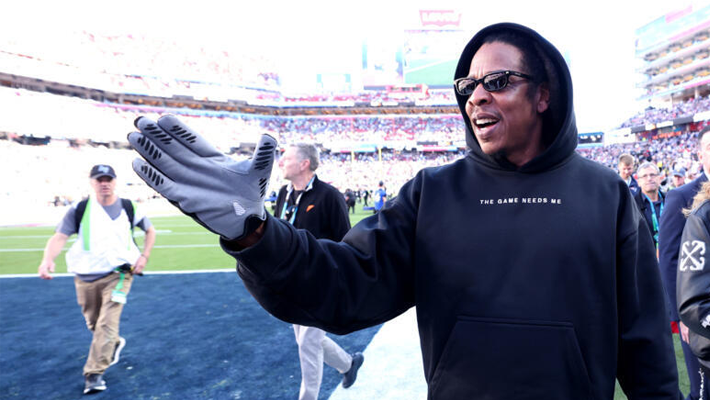
Rapper Jay-Z to perform for first time at Super Bowl half-time in February 2027
“Anticipation as to who Jay-Z might have guest star at halftime for the big game will now kick off,” the NFL announced on Monday.
Sport
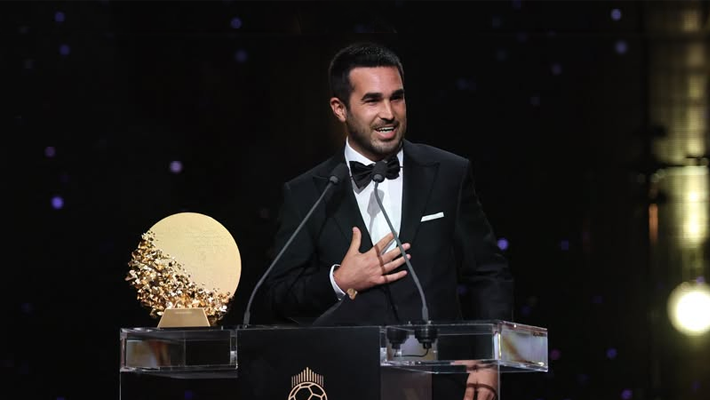
Pere Romeu wins ‘Women’s Coach of the Year’ at 2026 Ballon d’Or
Barcelona Femeni coach Pere Romeu won the award for best women’s team coach of the year on Monday at the 2026 Ballon d’Or ceremony at the London Palladium in London, England.
Economy
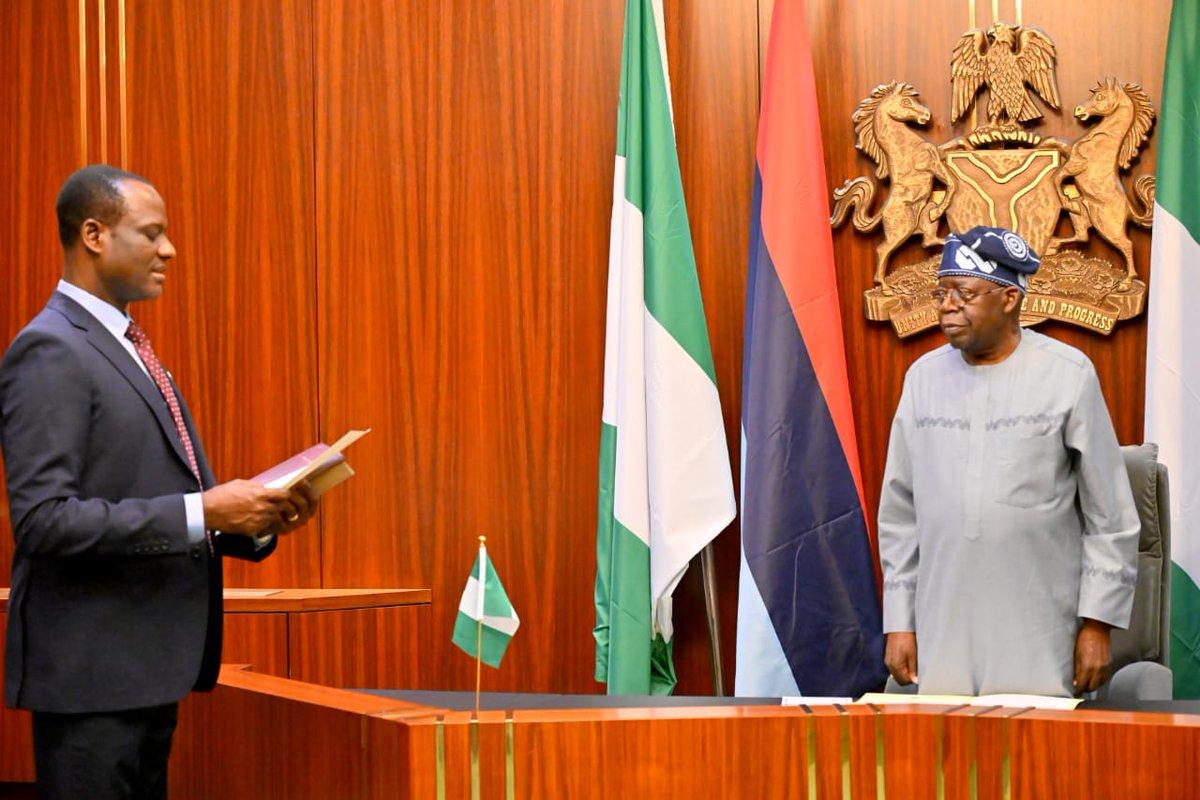
Oyedele proposes new law to prevent future presidents from reversing Tinubu’s controversial tax, subsidy policies
“Any ideas of returning it, we should forget about it. That economic policy framework, you will see by the time you start responding to us…,” said Mr Oyedele.


