

Stakeholders brainstorm on implementing energy transition plan

Stakeholders in the energy sector on Tuesday converged on Abuja to brainstorm on implementing the Energy Transition Plan (ETP).
On August 24, the federal government launched the ETP. The plan is designed to simultaneously tackle the challenges of energy poverty and the climate change crisis.
The stakeholders’ dialogue was organised by the Renewable Energy Association of Nigeria (REAN).
REAN president Ayo Ademilua said the ETP identified the key areas where there was currently high emission in Nigeria, listing the key areas to include cooking with firewood and charcoal in rural areas and gas flaring.
”When you move into interior parts of the country, about 60 per cent of the people there are still not doing clean cooking and are emitting carbon.
“We have over 120 million people in Nigeria not doing clean cooking, and they are emitting carbon,” stated Mr Ademilua.
Mutanga Umar-Sadiq, representing the office of the vice president, said Nigeria was positioned as the first country to develop a detailed energy transition plan.
He revealed that about 65 per cent of the country’s total in-house gas emissions were related to energy consumption and industrial processes.
According to him, power and clean cooking are the most actionable sub-sectors within energy consumption.
“The power sector represents the largest individual source of emission, particularly because of generators and diesel,” Mr Umar-Sadiq explained. “As we think about how to engage with the plan, as we think about identifying the opportunities to explore, we are trying to displace the use of diesel and generator set to cleaner sources.”
Mr Umar-Sadiq also said that part of the Nigeria energy transition plan was identifying the pathways, hence in the short term achieving universal access to energy by 2030.
“And also in the longer term achieving net zero in 2060 and to do that, we think that we need to deploy solar capacity at an unprecedented scale, ‘’ he said.
Jochen Luckscheiter, country director of Heinrich Böll Foundation, said if the plan was implemented, it would significantly contribute to tackling energy poverty in Nigeria and “help to put Nigeria on a pathway towards its ambition to reach net zero by 2060.”
(NAN)

We have recently deactivated our website's comment provider in favour of other channels of distribution and commentary. We encourage you to join the conversation on our stories via our Facebook, Twitter and other social media pages.

More from Peoples Gazette

Agriculture
FG tasks ECOWAS on leveraging financing strategies for agroecology
The federal government has urged stakeholders in the agriculture and finance sectors in the West Africa region to leverage financing strategies to enhance agroecology practices

Politics
Katsina youths pledge to deliver over 2 million votes to Atiku
“Katsina State is Atiku’s political base because it is his second home.”

Heading 5
U.S. announces new visa ban on Yahoo Boys, relatives
“This policy targets individuals responsible for, or complicit in, cybercrime and cyber-enabled crime, such as those involved in cyberscams and sextortion,” Mr Rubio said.
Hot news Home top
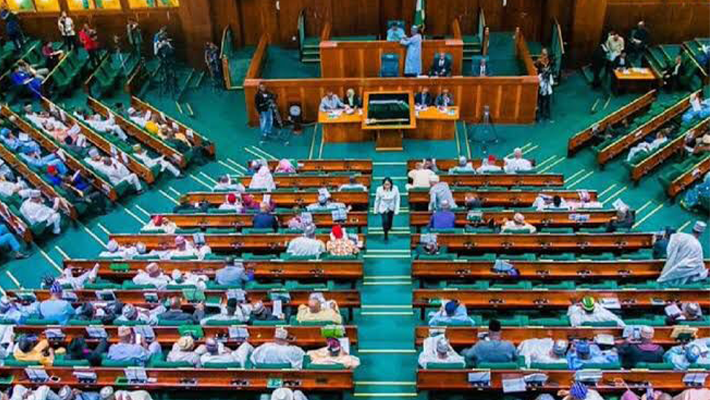
311 Reps members vote for passage of state police bill
Mr Tajuddeen said 276 lawmakers voted physically while 35 voted virtually, bringing the number to 311, which formed a two-thirds majority.

Economy
Senate confirms Lamido Yuguda as AMCON board chairman
Mr Yuguda’s confirmation followed presentation and adoption of the report of the Senate committee on banking, insurance and other financial institutions.
World
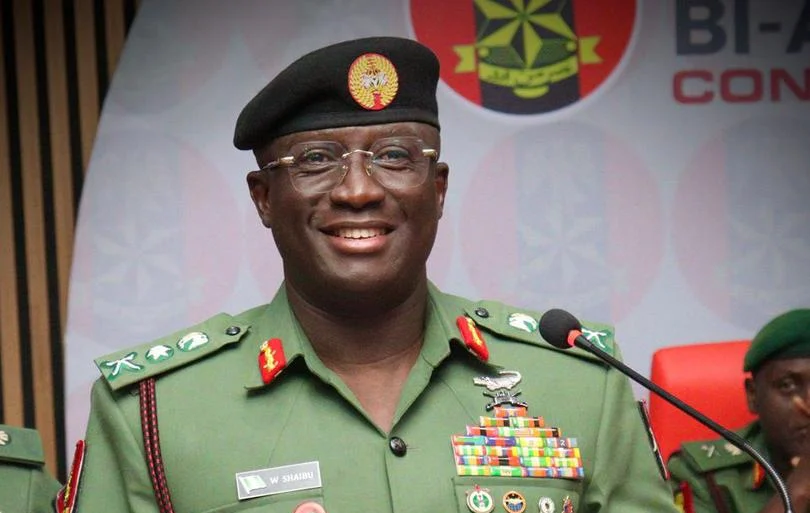
UN Security Council reform vital to global peace, says COAS
He stated that it is through reforms that the UNSC can remain legitimate and guarantee equitable and fair representation,” he said.
Lagos
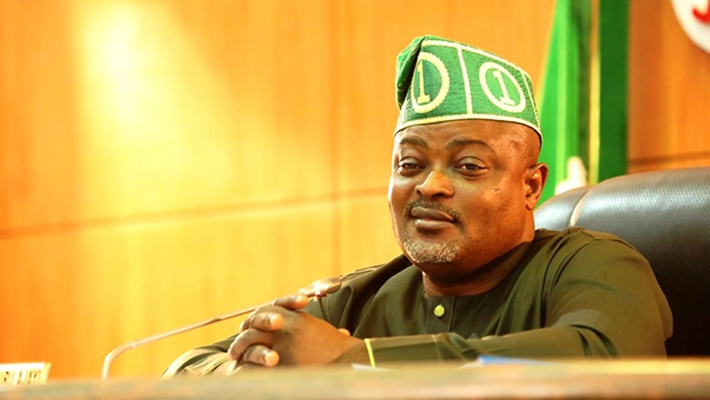
Lagos assembly confirms three local govt service commission nominees, defers two
Lagos State House of Assembly confirmed three nominees for appointment to the Local Government Service Commission.

Heading 4
Tinubu approves expansion of army to 12 divisions
Mr Tinubu also approved the recruitment of 28,000 army personnel to strengthen national security.


