

Stronger health systems demanded to end AIDS by 2030
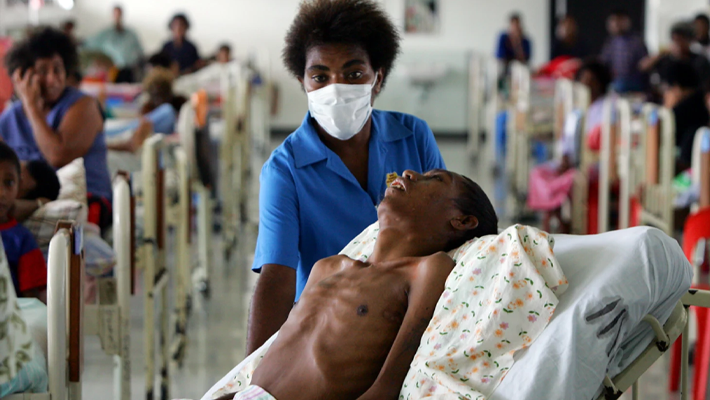
Tolulope Adenekan, operations officer at the INFORM Africa Research Hub, Institute of Human Virology Nigeria, has called for stronger health systems, increased domestic financing and people-centred HIV services.
She said the measures were critical to sustaining Nigeria’s HIV gains and achieving the goal of ending AIDS as a public health threat by 2030.
Ms Adenekan made the call on Tuesday in Abuja. She said Nigeria had recorded significant progress toward the Joint United Nations Programme on HIV/AIDS (UNAIDS) 95-95-95 targets. According to her, about 87 per cent of people living with HIV know their status, 98 per cent of those diagnosed are receiving treatment, while 95 per cent of those on treatment have achieved viral suppression.
She identified stigma, discrimination, fear of disclosure, poverty, transportation costs, inadequate counselling, long waiting hours at health facilities, mental health challenges and displacement caused by insecurity as some of the factors affecting treatment adherence.
She said adolescents and young people remained among the most vulnerable groups because they often struggled with accepting their diagnosis while navigating emotional, social and physical changes.
According to her, treatment fatigue, fear of peers discovering their HIV status, poor transition from paediatric to adult HIV care, school schedules, financial constraints and limited family support contribute to poor adherence among young people.
She said that creating adolescent-friendly clinics and expanding peer support initiatives, such as Operation Triple Zero (OTZ), had shown positive results in improving treatment adherence.
She said there is a need to strengthen primary healthcare as the foundation for HIV service delivery by decentralising services, improving referral systems, and ensuring the uninterrupted availability of medicines.
She also called for greater integration of HIV services into routine healthcare and increased engagement of community health workers to bring services closer to where people live.
On HIV-related stigma, she said governments, schools, families, communities and the media all had important roles to play in addressing misconceptions and discrimination. She urged governments to invest more in health education and enforce policies that protect the rights of people living with HIV.
The HIV implementation scientist also highlighted the growing role of digital health technologies, saying mobile reminders, telemedicine and peer-support platforms had improved appointment attendance and medication adherence when used alongside conventional care.
She noted that Nigeria’s HIV response offered valuable lessons for other African countries through its expansion of HIV testing, prevention of mother-to-child transmission services, differentiated service delivery models and community-based treatment approaches.
According to her, initiatives such as Mentor Mothers, pharmacy-based antiretroviral dispensing and peer treatment champions have improved access to treatment while strengthening adherence.
She added that Nigeria’s monitoring systems had also strengthened programme implementation by providing quality data for planning and resource allocation.
Ms Adenekan, however, warned that declining international donor support underscored the need for African governments to increase domestic financing for HIV programmes.
She urged governments to strengthen primary healthcare systems, expand adolescent and youth-friendly services, invest in healthcare workers, improve supply chains and scale up viral load monitoring.
She expressed optimism that ending AIDS by 2030 remained achievable, provided governments accelerated implementation of proven interventions, reduced stigma, expanded innovative service delivery models and prioritised populations that continued to face barriers to care.
Ms Adenekan also cautioned against misconceptions that HIV affects only certain groups or that it is no longer a serious public health concern because treatment is available.
She said early diagnosis, consistent treatment and viral suppression enable people living with HIV to live long, healthy and productive lives.
According to UNAIDS, an estimated 41 million people were living with HIV globally in 2025, while 32.1 million were receiving antiretroviral therapy, compared with 7.6 million in 2010.
The UNAIDS 2026 Global AIDS Brief identifies stigma, discrimination, gender inequality and weak health systems as major barriers to HIV prevention, treatment and care.
(NAN)

We have recently deactivated our website's comment provider in favour of other channels of distribution and commentary. We encourage you to join the conversation on our stories via our Facebook, Twitter and other social media pages.

More from Peoples Gazette

States
Independence: NBA urges Nigerians to expect better future
The NBA said that ordinary Nigerians should be deriving benefit from the subsidy removal rather than hardship.

Agriculture
FG tasks ECOWAS on leveraging financing strategies for agroecology
The federal government has urged stakeholders in the agriculture and finance sectors in the West Africa region to leverage financing strategies to enhance agroecology practices

Politics
Katsina youths pledge to deliver over 2 million votes to Atiku
“Katsina State is Atiku’s political base because it is his second home.”

World
FBI nabs ISIS supporter Sheikhdoon Mohamud plotting mass murder of ‘kuffar’ at Mall of America
He was arrested after buying an AK-47-style rifle, magazines and ammunition from an undercover FBI agent.

Lagos
Customer Service Week: Lagos CP urges residents to give police feedback
The CP pledged improved service delivery by the command.

States
Suspected fake medical practitioner arrested in Ibadan
The command’s spokesperson, said the suspect was arrested on Friday at about 3:00 p.m.

Africa
U.S. issues security alert over looting, violence against foreigners in South Africa
This comes amid months of sustained xenophobic attacks targeting African immigrants in South Africa.

Heading 5
IPO: Aliko Dangote Foundation opens wealth creation pathway for two million vulnerable Nigerian women
The initiative is open to several categories of beneficiaries, including independent applicants earning ₦100,000 or less per month.

Heading 4
Immunisation programmes delivered over $30 billion in economic benefits for lower-income countries in 2025: Gavi Alliance
The organisation described the gains as the highest annual total in the alliance’s history.


