

Studies show ultra-processed foods increase risk of heart attack, stroke
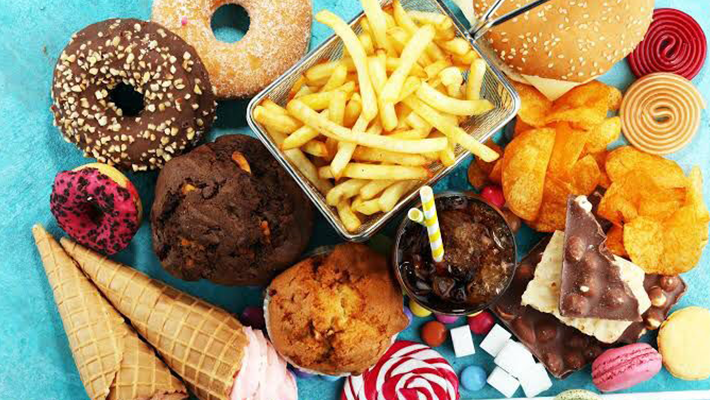
Foods in the typical British diet may increase the risk of deadly cardiovascular diseases, two new studies have found.
This was in twin presentations at the annual meeting of the European Society of Cardiology in Amsterdam.
The researchers revealed that consuming ultra-processed food (UPF) such as cereals, fizzy drinks, and fast food significantly raises the risk of high blood pressure, heart disease, heart attacks, and strokes.
Food campaigner Henry Dimbleby said the results should be a wake-up call for the UK.
He told The Guardian: “Given that UPF represents 55 per cent of our diet, that should be a wake-up call.
“If there is something inherent in the processing of foods that is harmful, then that is a disaster.
“Britain is particularly bad for ultra-processed food. It is storing up problems for the future. If we do nothing, a tidal wave of harm is going to hit the NHS.’’
The Guardian reports that Anushriya Pant, a researcher involved with one of the studies, told reporters in Amsterdam that many people are unaware of what foods may be putting them in danger.
She said: “It could be that foods you think are healthy are actually contributing to you developing high blood pressure.’’
Ms Pant added that many people assumed some UPF, such as store-bought sandwiches, wraps, soups, and low-fat yoghurts, were healthier choices when compared to junk food.
She and her fellow researchers from the University of Sydney studied the impact of the increased consumption of UPF on more than 10,000 middle-aged women during the last 15 years.
They found that 39 per cent of women were more likely to develop high blood pressure when compared with those with the lowest intake of ultra-processed food.
Those who ate the most UPF were nearly 25 per cent more likely to suffer from a heart attack, stroke, or angina.
The second study, presented by Yang Qu on behalf of the researchers at China’s Fourth Military Medical University, found that out.
Additionally, researchers found increasing the intake of UPF by a mere 10 per cent saw the risk of heart disease jump significantly.
The team also discovered that those who had less than 15 per cent of their diet made up of UPF were the least at risk of suffering from heart-related medical problems.
(dpa/NAN)

We have recently deactivated our website's comment provider in favour of other channels of distribution and commentary. We encourage you to join the conversation on our stories via our Facebook, Twitter and other social media pages.

More from Peoples Gazette

States
Independence: NBA urges Nigerians to expect better future
The NBA said that ordinary Nigerians should be deriving benefit from the subsidy removal rather than hardship.

Agriculture
FG tasks ECOWAS on leveraging financing strategies for agroecology
The federal government has urged stakeholders in the agriculture and finance sectors in the West Africa region to leverage financing strategies to enhance agroecology practices

Politics
Katsina youths pledge to deliver over 2 million votes to Atiku
“Katsina State is Atiku’s political base because it is his second home.”

States
NDPHC begins project to end 15-year blackout in Kaduna community
Mr Agim said the Rigasa project underscored NDPHC’s commitment to extending critical electricity infrastructure beyond generation.

Politics
Nigerians are happy with Tinubu’s leadership; he has earned their support: APC Chairman
Mr Yilwatda said the APC was proud to present what he described as the most competent and credible presidential candidate.

States
Gunmen kill woman, injure two farmers in Plateau
The victims were attacked while harvesting groundnuts at their farms in the village.

Politics
2027: Shettima, Uba Sani rally support for Tinubu’s re-election
Mr Shettima urged Kaduna residents to renew the mandates of Messrs Tinubu and Sani, saying the APC is committed to continuity and development.

World
Trump posts meme tagging Ilhan Omar ‘scam from Somalia’
Mr Trump posted a screenshot of an incoming phone call with a portrait of Ms Omar without her hijab and inscription that reads: “Scam likely from Mugadishu, Somalia.”

Heading 5
Seven killed, 34 injured as gunmen open fire at church funeral
CCTV footage showed three gunmen making their way from a road toward the church.


