

Suleman Ayuba: The Silent Genocide: Gwoza’s Christians in the grip of jihadist terror

Gwoza, a once-vibrant Christian enclave in Nigeria’s Borno State, is thick with grief. For over a decade, jihadist insurgency primarily Boko Haram have waged a relentless campaign of terror against the region’s predominantly Christian population. Homes have been razed, churches reduced to rubble, and families torn apart.
More than 60,000 Christians have fled across the border into Cameroon, only to face hunger, disease, and despair in overcrowded refugee camps. Many who attempt the treacherous journey back to Nigeria perish along the way, succumbing to starvation or exhaustion in the unforgiving bush.This is not just a humanitarian crisis. It is a targeted, systematic assault on a religious community one that many now describe as genocide.
Gwoza’s nightmare began in earnest in 2014 when Boko Haram seized the town and declared it the capital of their self-styled Islamic caliphate. In the years since, the group has returned again and again, launching coordinated attacks on Christian villages. Just last month, in October 2025, insurgents overran Kirawa, a settlement near Gwoza, forcing over 5,000 residents to flee into Cameroon. This was not an isolated incident. In January 2025, more than 4,000 Christians were displaced from nearby Chibok after similar raids.
The human toll is staggering. Since 2009, over 50,000 Christians have been killed nationwide by extremist violence, with Gwoza and surrounding areas bearing the brunt. Of the 176 churches that once stood in Gwoza Local Government Area, 148 have been destroyed. Pastors, farmers, and children have been executed in cold blood, often forced to renounce their faith at gunpoint.
For the more than 60,000 Gwoza Christians now living in Cameroon, exile offers little solace. Most are crammed into camps like Minawao in the country’s Far North Region, where aid is scarce and conditions are dire. Families live in flimsy tents, battling malnutrition, cholera outbreaks, and the constant threat of Boko Haram incursions across the porous border.
Borno State Governor Babagana Zulum visited these refugees in October 2025, acknowledging their plight but offering little in the way of immediate solutions. Many feel abandoned by the Nigerian government, by the international community, and by the world’s conscience.
The journey home is even deadlier. With internally displaced persons camps in Nigeria closing and repatriation programs faltering, desperate refugees attempt to trek back on foot. Hundreds have died en route, their bodies claimed by hunger, dehydration, and ambushes. One of the survivors recounted walking for days with nothing but wild leaves to eat, only to find his village in ruins upon return and Boko Haram still targeted him until he ran again to Nasarawa state.
The deliberate targeting of Christians for elimination based on their faith. A Gwoza Christians elder recently received death threats for daring to call it what it is a genocide and demanding international intervention.
Regardless of terminology, the facts are undeniable: entire Christian communities have been erased from the map. Land once farmed by generations of Marghi, Chibok, and Gwoza believers now lies fallow and is occupied by settlers aligned with the insurgents.
The world cannot afford to look away. The Home for the Needy Foundation in Benin opened doors to 3,000 Gwoza orphans, providing critical support, but their resources are stretched thin. Safe, voluntary repatriation must be prioritized, alongside robust security for returnees. International pressure is needed to ensure Nigeria fulfills its duty to protect all citizens regardless of faith.
The people of Gwoza are not statistics. They are mothers who buried their children, pastors who preach in the ruins of their sanctuaries, and refugees who still dare to hope. Their story is one of resilience amid unimaginable loss.
It is time for the global community to act not with silence, but with solidarity. The Christians of Gwoza have suffered enough.
Suleman Ayuba is a resident of Gwoza in Borno State

We have recently deactivated our website's comment provider in favour of other channels of distribution and commentary. We encourage you to join the conversation on our stories via our Facebook, Twitter and other social media pages.

More from Peoples Gazette

States
Independence: NBA urges Nigerians to expect better future
The NBA said that ordinary Nigerians should be deriving benefit from the subsidy removal rather than hardship.

Agriculture
FG tasks ECOWAS on leveraging financing strategies for agroecology
The federal government has urged stakeholders in the agriculture and finance sectors in the West Africa region to leverage financing strategies to enhance agroecology practices

Politics
Katsina youths pledge to deliver over 2 million votes to Atiku
“Katsina State is Atiku’s political base because it is his second home.”
Heading 5
2027: INEC assures PWDs of inclusive participation in Zamfara
The REC stressed that the right to vote belongs to every eligible citizen.
Heading 1
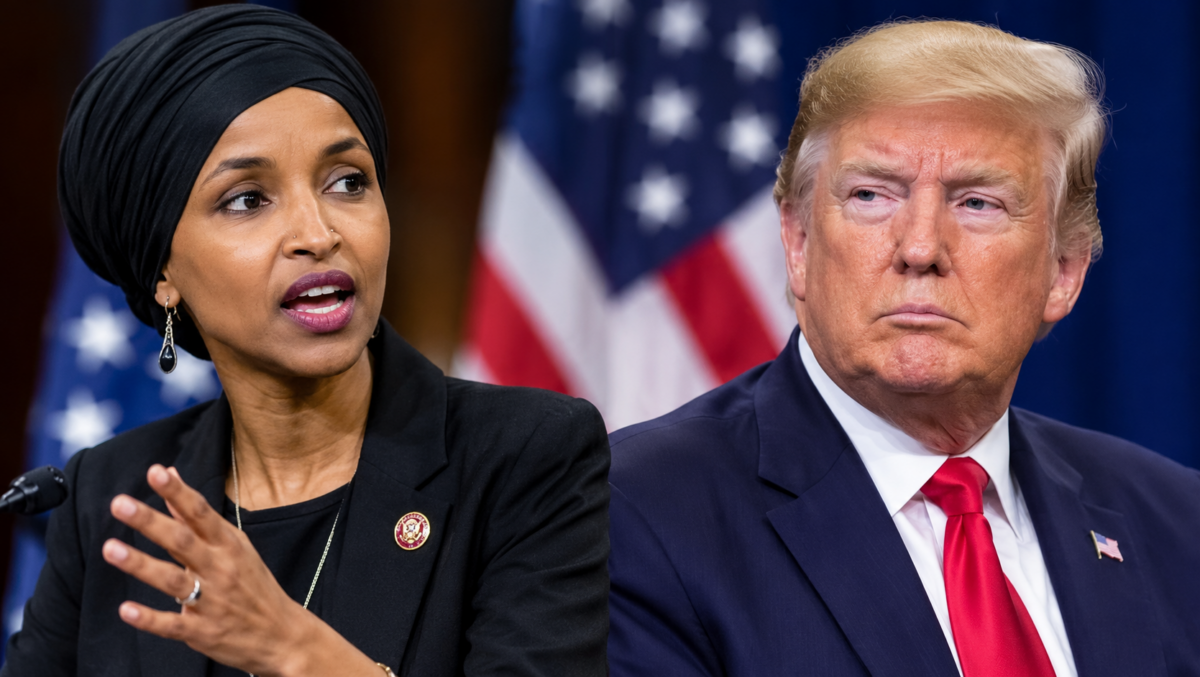
Ilhan Omar calls Trump ‘pedophile protection party’s president’
The Somali-born American politician insisted that her name had always been Ilhan Omar.
Heading 3
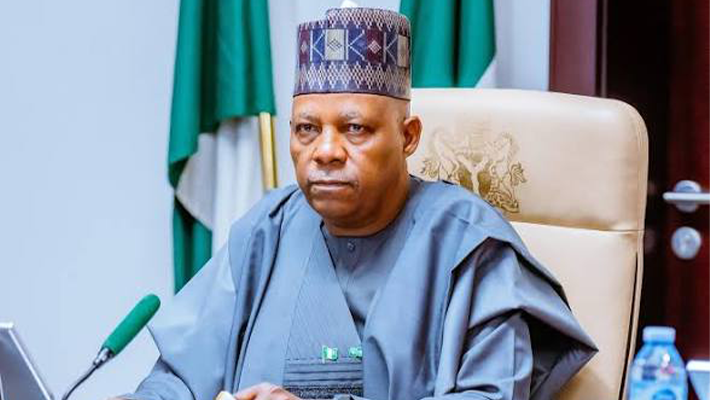
Shettima inaugurates teaching hospital, schools in Borno
Mr Shettima commended Governor Babagana Zulum for establishing the hospital.

Hot news Home top
14 bandits killed as hunters repel attack in Katsina village
The commissioner stated that intelligence report revealed the movement of 26 armed bandits on 13 motorcycles.
States
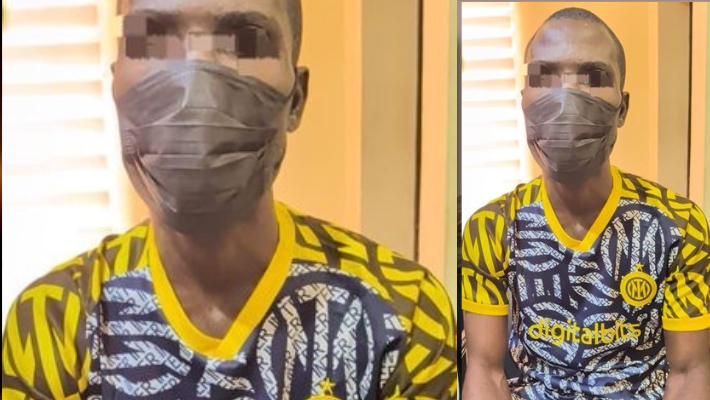
Police nab man for allegedly killing retired teacher in Ogun
The victim was reportedly killed at her residence in Agbaakin Emere, Abeokuta, on February 27, 2026.

Health
Zamfara NMA intensifies surveillance against Ebola
He said the NMA has developed an incident action plan to create public awareness about Ebola.


