
Mr Gbajabiamila said collective responsibility remained key to building a healthier and safer nation.

Mr Idris said the project had already trained 140 change agents in 35 health facilities and 41 state trainers across five of Nigeria’s six geopolitical zones.

Mr Idris highlighted a significant shortage of skilled health workers at both the federal and state levels.

“If the illness is not a notifiable condition, as the case definition for viral haemorrhagic fever, then his privacy and medical confidentiality must be respected,” he said.

The NCDC DG attributed the outbreak to poor sanitation, inadequate access to clean water, and widespread open defecation.

The latest figures indicate a surge in infections, with 807 suspected cases and 74 deaths reported across 22 states and Abuja as of March 26, 2025.

Lassa fever has killed a medical doctor in Ondo, the Nigeria Centre for Disease Control and Prevention says.

He urged Nigerians to maintain proper hygiene, control rodent populations, and seek early medical intervention.
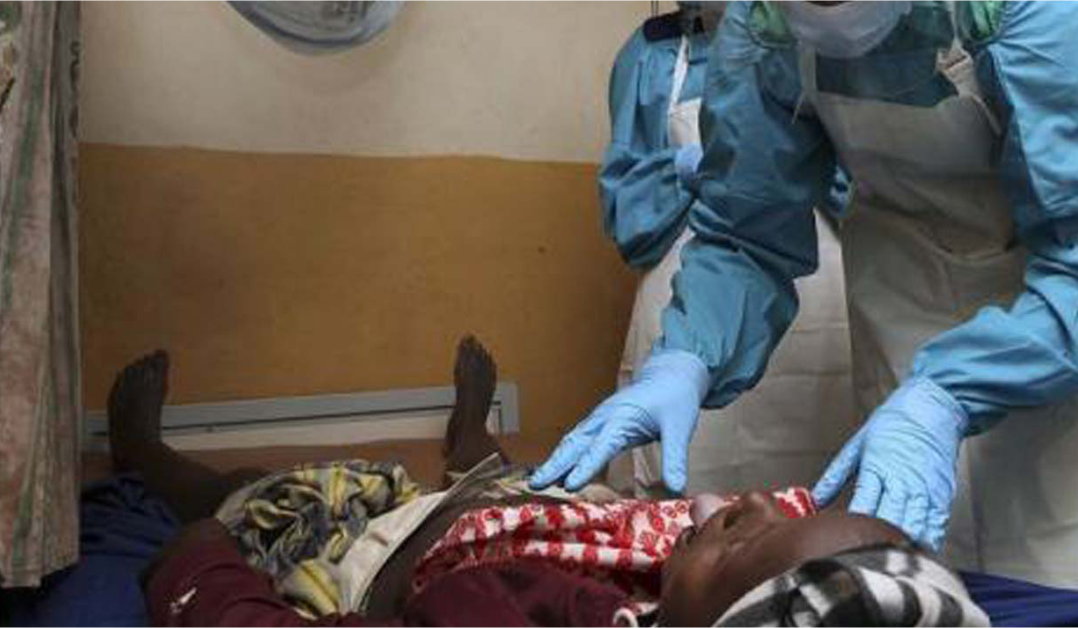
He reaffirmed the agency’s commitment to strengthening surveillance and response efforts across the country.

Mr Idris particularly warned against poor food hygiene during festive gatherings.


