

Tinubu’s petrol subsidy removal offers lessons for African countries: Oyedele
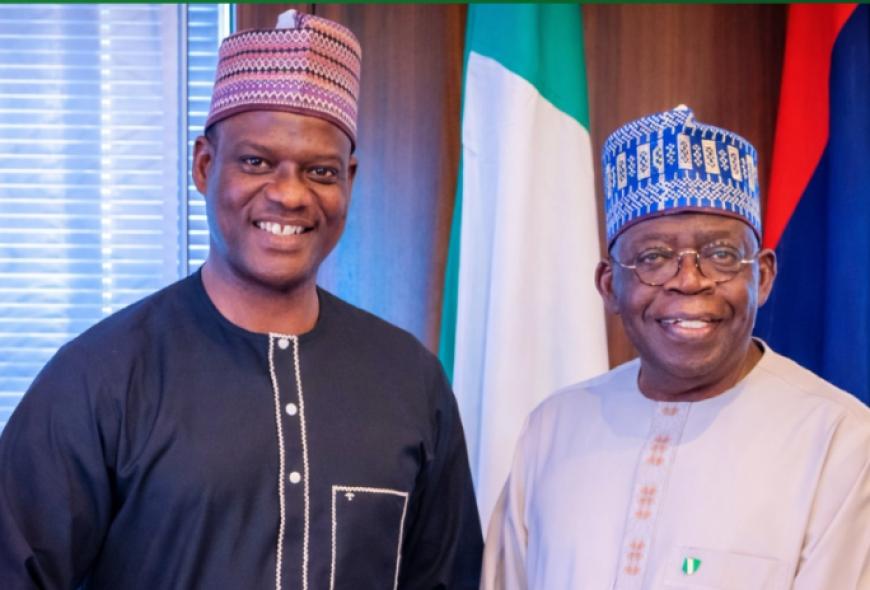
Finance minsiter Taiwo Oyedele says President Bola Tinubu’s economic reforms, including petrol subsidy removal and changes to the foreign exchange market, could offer lessons for other African countries.
Mr Oyedele said the reforms showed the importance of introducing economic policies in the right order, explaining government decisions clearly and gaining public trust.
He spoke on Tuesday at Africa’s Golden Future Forum in Bangkok, Thailand, held on the sidelines of the 2026 annual meetings of the International Monetary Fund and World Bank.
According to a statement by the finance ministry, Mr Oyedele said Nigeria’s experience could help other African countries improve their economies, create jobs and strengthen trade. He explained that removing the petrol subsidy before changing the foreign exchange system helped manage the effects of rising costs.
Mr Oyedele identified petrol subsidy removal, foreign exchange reforms and tax reforms as major parts of Nigeria’s economic programme. He said the success of such policies depended on proper planning, strong institutions and consistent communication with citizens.
Mr Tinubu announced the removal of petrol subsidy in May 2023, shortly after taking office. In June of the same year, the Central Bank of Nigeria introduced changes to the foreign exchange market, allowing the naira to trade more freely.
The two policies were followed by sharp increases in petrol prices, transport fares and the cost of goods and services, placing more pressure on households and businesses.
Mr Tinubu’s decision to remove the petrol subsidy has remained a major issue as Nigerians continue to face high fuel prices.
On Thursday, the Tinubu administration announced a temporary “discount” on petrol sold at filling stations operated by the Nigerian National Petroleum Company Limited.
The 30-day “discount” was introduced to reduce the burden of rising petrol prices, particularly on commercial transport operators and other Nigerians, according to Mr Oyedele.
The government said the arrangement would be funded through its retail profit margin and did not mean it was bringing back the petrol subsidy.
However, the measure has raised questions about how easily motorists can benefit from the price reduction. The development comes as the government continues to defend its decision to end the previous subsidy system while introducing temporary measures to reduce the pressure of high fuel prices.
At the Bangkok forum, Mr Oyedele also restated the need to protect vulnerable Nigerians from the effects of economic reforms. He said the government’s cash transfer programme had reached more than 10 million households, while over 1.5 million students had benefited from education support.
Mr Oyedele urged African countries to remove trade barriers and improve electricity, transport and other infrastructure needed to support businesses. He said Nigeria was developing an economic policy framework to improve coordination between trade, government spending, taxation and monetary policies.
He highlighted the National Single Window initiative, which is designed to simplify import and export procedures and reduce delays at the country’s borders.
Speaking at the forum, the President of the African Development Bank, Sidi Ould Tah, urged African governments to ensure economic reforms produced practical results. Mr Ould Tah said the bank had supported reforms in Nigeria and Egypt through budget support and was working with development partners to improve electricity access across Africa.
He cited Mission 300, an initiative aimed at connecting 300 million Africans to electricity by 2030. According to him, more than 30 African countries had signed energy agreements to improve electricity supply through reforms, investment and private sector participation.
The AfDB president also said trade between African countries accounted for about 15 per cent of the continent’s total trade. He said the bank was investing in infrastructure and regional projects to improve connections between countries and make trade easier.

We have recently deactivated our website's comment provider in favour of other channels of distribution and commentary. We encourage you to join the conversation on our stories via our Facebook, Twitter and other social media pages.

More from Peoples Gazette

States
Independence: NBA urges Nigerians to expect better future
The NBA said that ordinary Nigerians should be deriving benefit from the subsidy removal rather than hardship.

Agriculture
FG tasks ECOWAS on leveraging financing strategies for agroecology
The federal government has urged stakeholders in the agriculture and finance sectors in the West Africa region to leverage financing strategies to enhance agroecology practices

Politics
Katsina youths pledge to deliver over 2 million votes to Atiku
“Katsina State is Atiku’s political base because it is his second home.”
States
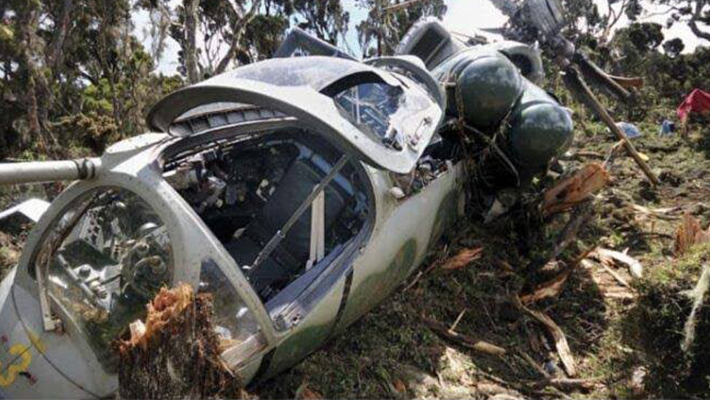
NAF recovery team, navy, NSIB divers recover crashed aircraft components
The Nigerian Air Force says recovery teams have retrieved additional components from its ATR 42-500 aircraft that crashed in Igbokoda village of Ondo.
NationWide
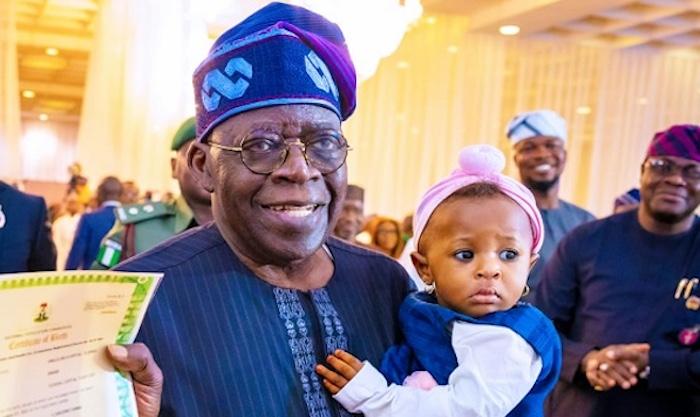
Tinubu govt commits N84 billion to ending child marriage by 2030
The federal government has proposed N84.48 billion to implement a five-year national strategy to end child marriage by 2030.
Health
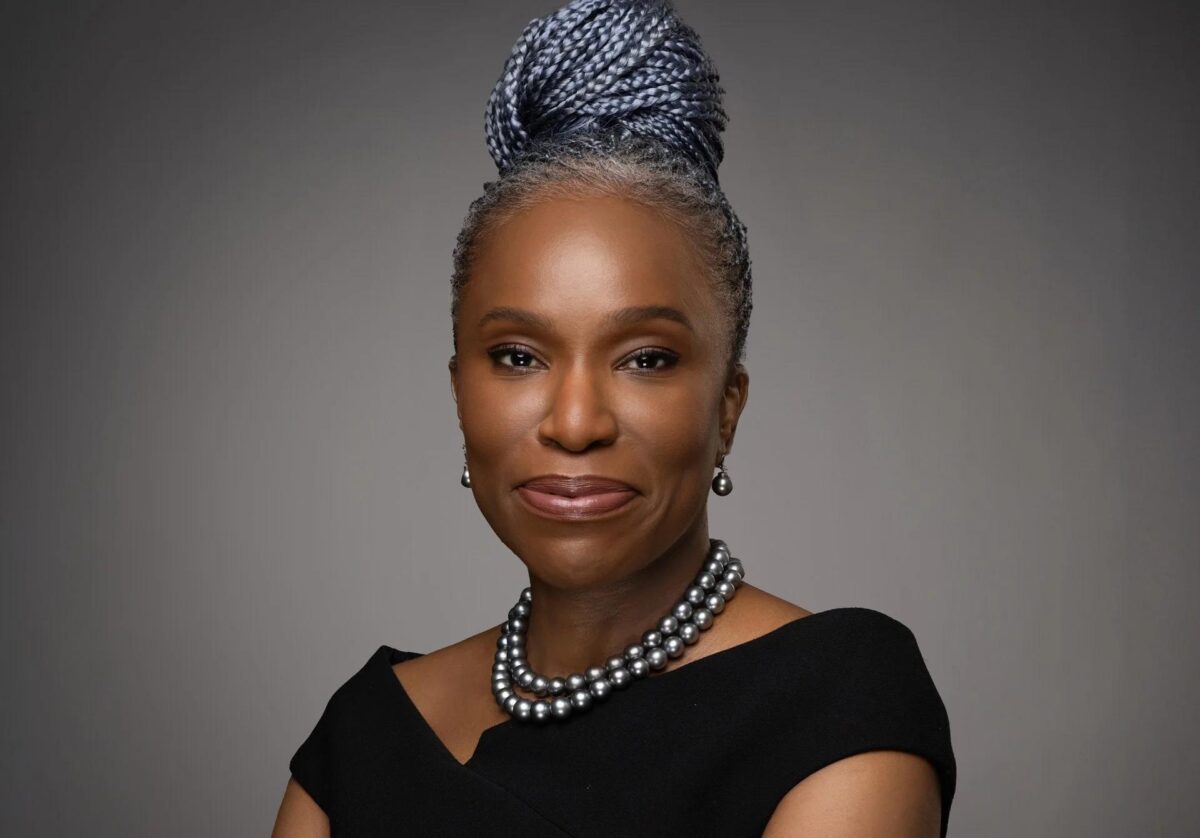
Accountability key to better health service delivery: Aig-Imoukhuede
Aig-Imoukhuede Foundation’s chief says effective leadership, a skilled health workforce and strong accountability systems are critical to improving primary healthcare delivery.
Economy
IMF advises countries to replace fuel subsidies with targeted support for poor people
The International Monetary Fund has urged countries to replace blanket fuel subsidies with targeted support for vulnerable households.
Politics
ECOWAS electoral bodies adopt AI guidelines to boost election integrity
ECONEC, an umbrella body for election management bodies in West Africa, has adopted a regional guideline on using artificial intelligence in electoral processes.
Africa
Tinubu’s petrol subsidy removal offers lessons for African countries: Oyedele
Mr Oyedele said the reforms showed the importance of introducing economic policies in the right order, explaining government decisions clearly and gaining public trust.


