

Trump govt hits Nigeria, 80 others with new tariffs over ‘forced labour’
The U.S. has imposed new tariffs of 10 and 12.5 per cent on goods from more than 80 countries, including Nigeria, over alleged forced labour.
The new tariffs, which take effect at 12:01 a.m. on Friday, replace a global 10 per cent duty imposed earlier by President Donald Trump and expire at midnight on Friday.
The new duties follow a five-month investigation into trading partners’ efforts to root out products made with forced labour from their supply chains, the Office of the U.S. Trade Representative (USTR) says.
The report alleged that Nigeria and 53 other economies have failed to impose and effectively enforce a prohibition on the importation of goods produced with forced labour.
“The following 54 economies have failed to impose a legal prohibition on the importation of goods produced wholly or in part with forced labour and to effectively enforce such a prohibition,” the investigation report said.
The U.S. government said the Section IV of its investigation particularly found that Nigeria’s “failure to impose and effectively enforce a forced labour import prohibition is unreasonable”.
“Findings of Investigation, in sections III.A.7 and III.B.7, USTR found that Nigeria has failed to impose and effectively enforce a forced labour import prohibition,” the U.S. said.
“In section V, we found that the failure to impose and effectively enforce a forced labour import prohibition burdens or restricts U.S. commerce.
“For the foregoing reasons, the results of this investigation indicate that the acts, policies, and practices of Nigeria related to the failure to impose and effectively enforce a forced labour import prohibition are unreasonable and burden or restrict U.S. commerce.”
The new tariffs, which will exempt oil and gas and fertiliser, followed the Supreme Court striking down earlier duties President Donald Trump imposed last year in February.
The U.S. regretted that, despite longstanding and universal agreement, forced labour persists globally and has even increased in recent years, abetted by international trade.
“The United States has had a forced labour import ban for nearly a century and rigorously enforces it; it’s well past time for our trading partners to do the same,” said U.S. Trade Representative Jamieson Greer.
“Today’s action will begin to correct what is both a human rights abuse and a distortive trade practice to improve the welfare of workers everywhere,” he added.
The U.S. stressed that the existence of national laws prohibiting forced labour has been insufficient to curb the use of forced labour, including the production of goods with forced labour.
It argued that trade creates incentives for the use of forced labour because goods produced with forced labour generate substantial sales, revenues and profits.
The U.S. argued that the existence of forced labour imports in markets across the globe has nurtured an economic system that favours the use of forced labour or forced labour inputs.
“Eliminating forced labour is a moral and economic imperative and trade is a critical means to assist in that goal,” the U.S. said.
The ILO estimates that as of 2021, 27.6 million people globally (3.5 out of every 1,000 people) have been forced to work against their will in both the public and private sectors of many economies.
The ILO also found that the number of persons working in conditions against their will increased from 2016 to 2021.
According to ILO, 86 per cent of forced labour occurs in the private economy, with the remainder accounted for by state-imposed forced labour.
The ILO finds further that the majority of forced labour in the private economy (63 per cent) does not involve commercial sexual exploitation and therefore has the potential to impact the trade in goods and services.
The U.S. said international commitments reflect increasing awareness of the need to address trade in forced labour goods, growing acceptance of forced labour import prohibitions as a universal norm, and greater recognition that trade is a critical means to accomplish such a goal.
The U.S. added that these commitments demonstrated that the international community agreed that forced labour, and by extension goods produced using forced labour, should not exist or alter the conditions of competition in international trade.
(NAN)

We have recently deactivated our website's comment provider in favour of other channels of distribution and commentary. We encourage you to join the conversation on our stories via our Facebook, Twitter and other social media pages.

More from Peoples Gazette

Agriculture
FG tasks ECOWAS on leveraging financing strategies for agroecology
The federal government has urged stakeholders in the agriculture and finance sectors in the West Africa region to leverage financing strategies to enhance agroecology practices

Politics
Katsina youths pledge to deliver over 2 million votes to Atiku
“Katsina State is Atiku’s political base because it is his second home.”
World
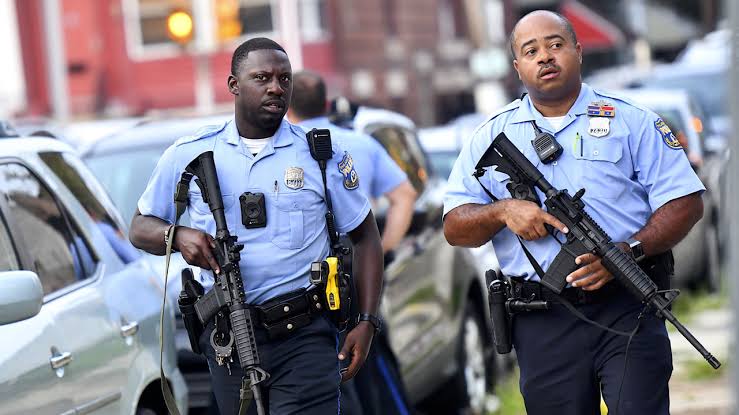
Knifeman shouted ‘Allahu Akbar’ as he stabbed two in New York, police say
Mr Morales, 51, has been arrested in connection with both attacks and is being held by the NYPD.
States
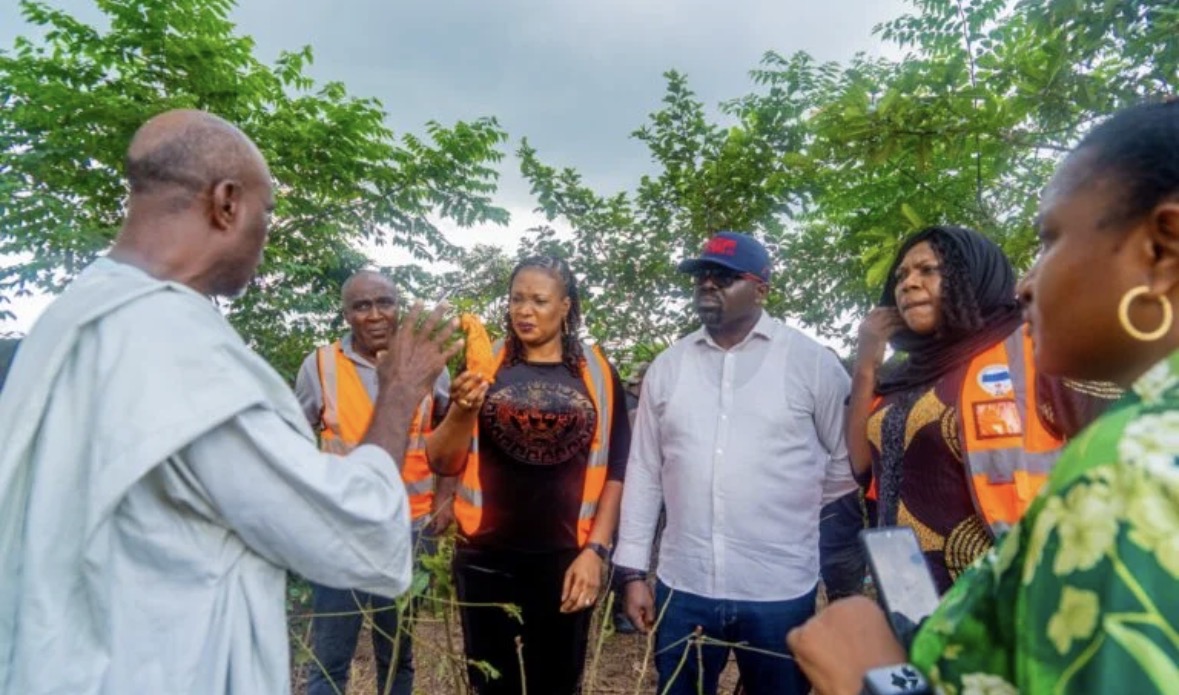
FG urges peace after gunmen kill four herders in Anambra
Ms Madukwe led an assessment team of the federal government on a fact-finding visit over the murder of four herders on Tuesday in the area.
Africa
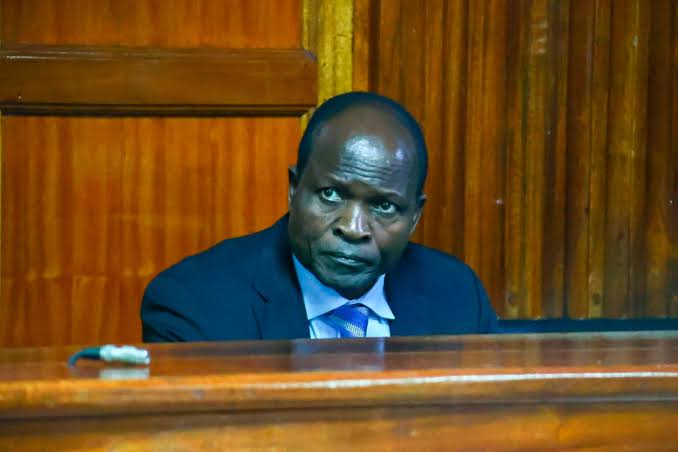
Ex-governor Okoth Obado convicted of murdering 26-year-old pregnant girlfriend in Kenya
The judge added that Mr Obado’s former personal assistant, Michael Oyamo, “facilitated execution.”
States
Lagos task force arrests 26 suspected miscreants, drug peddlers
Mr Gbadeyan said the operation formed part of the agency’s sustained efforts to rid the state of street urchins, miscreants, drug addicts, and peddlers.
States
Fubara advocates sustained investment in public service reforms
Mr Fubara said that government at all levels must continually rethink and reposition public institutions to meet the demands of the 21st century.

NationWide
UNDP grant empowers 6,000 enterprises nationwide
Ms Olubamise said the initiative supported the federal government’s efforts to create an enabling environment for MSMEs to thrive.


