

UN urges media to spotlight humanitarian crisis
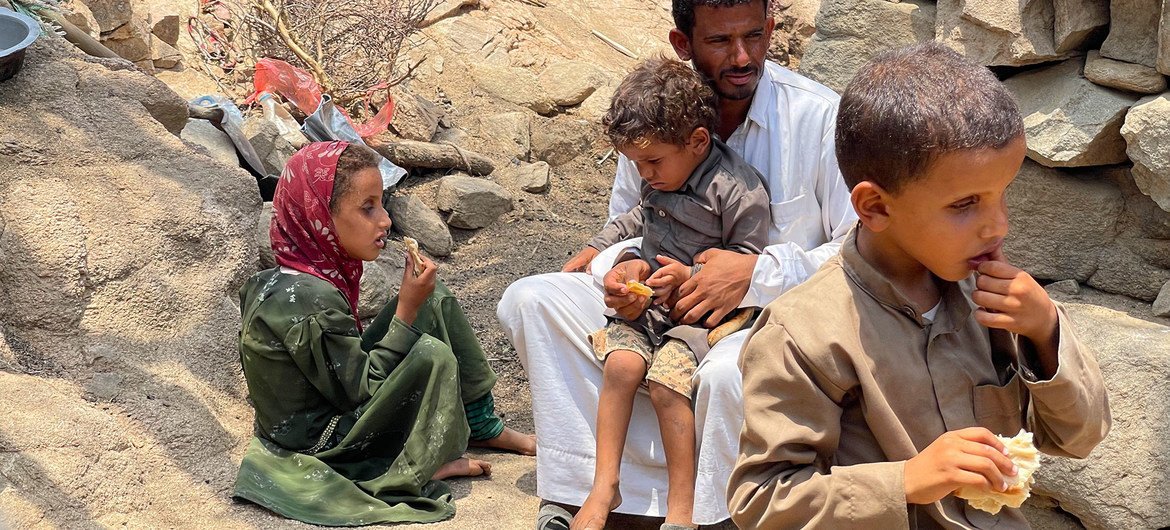
The United Nations has called for stronger global media engagement on humanitarian crises worldwide, particularly in Yemen.
The organisation said that limited international attention is hampering awareness and support at a time when millions face deepening food insecurity, health risks, and shrinking aid resources.
The UN resident and humanitarian coordinator for Yemen, Julien Harneis, made the call on Monday, during a news conference on the humanitarian situation in the country.
He warned that the situation in Yemen is expected to deteriorate further in 2026, amid worsening food insecurity, economic pressures, and reduced funding for critical services.
Mr Harneis noted that in 2025 alone, about 19.5 million people were in need of humanitarian assistance, while the Humanitarian Response Plan was only 28 per cent funded.
He attributed the bleak outlook to economic and political decisions that were exacerbating food insecurity across Yemen.
According to him, the worsening food situation is already manifesting in rising levels of malnutrition and increased pressure on the health system.
Mr Harneis noted that Yemen’s health system had been supported by the United Nations, in collaboration with the World Bank, for the past 10 years, but warned that this support would significantly reduce.
“We’re going to see a major change there, where the health system is not going to be supported in the way it has been in the past, and that is going to have very major consequences.
“The Yemeni government lacks the capacity to finance and sustain the health system, leaving the country vulnerable to disease outbreaks.
“In a country which has already seen the highest rates of measles in the world and which has frequently had cholera epidemics, we’re going to be very vulnerable to epidemics across the country, particularly in the North,” Mr Harneis added.
The UN official said that humanitarian operations in northern Yemen were further complicated by the detention of 73 UN personnel, as well as the seizure of the organisation’s offices.
He described the detentions as part of a broader pattern, noting that staff of international NGOs, embassy workers, activists, and political actors had also been detained, often without public attention.
Mr Harneis said that the UN was working with the broader humanitarian country team, including international and national NGOs, to explore how other organisations could step in to cover gaps left by the UN.
He, however, stressed that some capacities were unique to UN agencies.
“Only the UN agencies have the scale of response that is required for a country where, for example, 2,300 primary health care facilities have been supported by UN agencies.
“No INGO has the capacity to support all of that,” he said.
He acknowledged that the humanitarian community would attempt to restructure and reorganise its response but described the current circumstances as “deeply challenging.”
On media coverage, Mr Harneis said that while regional and Arabic-language media paid attention to developments in Yemen, there was limited access to areas outside government control.
He added that although humanitarian organisations regularly briefed the UN Security Council and the Office of the High Commissioner for Human Rights on the situation, international media engagement remained insufficient.
Mr Harneis clarified that while food insecurity was a major concern, it was not the direct cause of death.
He argued that food insecurity contributes to malnutrition, but so do poor access to clean water and lack of access to healthcare services.
According to him, when these factors combine with poor socio-economic conditions, they result in malnutrition, leading to increased mortality and morbidity, especially among children.
Mr Harneis, consequently, identified nutrition and public health at the primary healthcare level, as well as freedom and security, as key priorities for humanitarian actors.
(NAN)

We have recently deactivated our website's comment provider in favour of other channels of distribution and commentary. We encourage you to join the conversation on our stories via our Facebook, Twitter and other social media pages.

More from Peoples Gazette

Agriculture
FG tasks ECOWAS on leveraging financing strategies for agroecology
The federal government has urged stakeholders in the agriculture and finance sectors in the West Africa region to leverage financing strategies to enhance agroecology practices

Politics
Katsina youths pledge to deliver over 2 million votes to Atiku
“Katsina State is Atiku’s political base because it is his second home.”
Africa
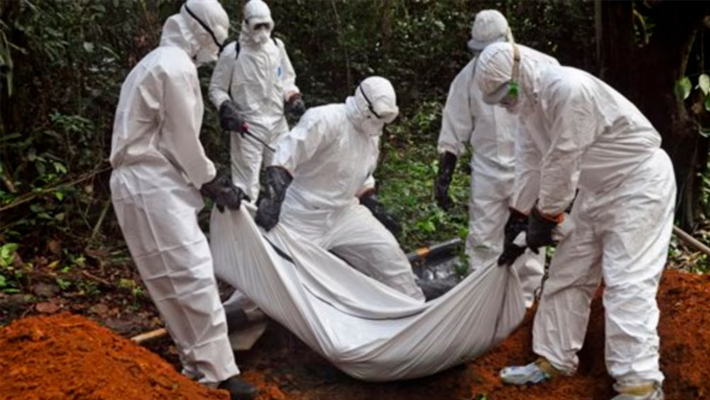
Ebola deaths in DR Congo hit 3,200
Ebola virus continues to spread in the eastern provinces of the DRC, with more than 3,200 deaths reported, the UN said.
Education
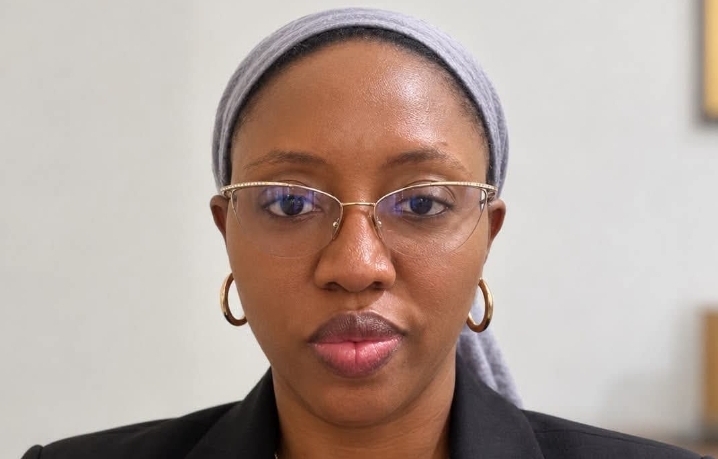
NOUN appoints Ramatu Ibrahim as acting bursar
NOUN said Ms Ibrahim’s appointment took effect from Tuesday, September 8, 2026, and would remain in force until further notice.

States
Yayi can’t win Ogun election, he is Sulaimon Ogunleye from Ekiti: Wale Adedayo
Mr Adedayo alleged that Mr Adeola was originally Sulaimon Ogunleye from Ekiti State but now falsely claims Ogun State ancestry for political gains.
World
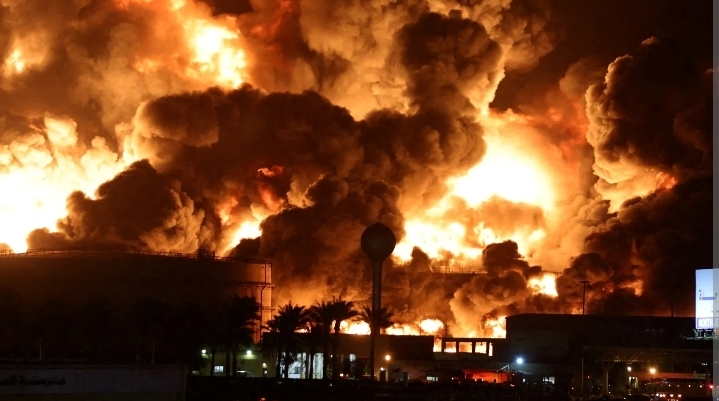
FG condemns fresh Houthi attacks on Saudi Arabia
“Nigeria regards the fresh hostilities as a serious threat not only to the security and sovereignty of Saudi Arabia but also to regional stability in the Middle East,” he said.

Education
NOUN declares three-day mourning for slain bursar
The university said, “The mourning period commenced on Monday, September 7 and would end on Wednesday, September 9, 2026.

States
Nasarawa varsity seeks assembly intervention to end ASUU strike
Nasarawa State University, Keffi (NSUK), has appealed to the House of Assembly to intervene in the ongoing ASUU strike.


