

UNICEF seeks increased access to menstrual facilities for girls

UNICEF has called for increased access to menstrual hygiene facilities education for adolescent girls.
Speaking at a sensitisation session to commemorate the 2025 Menstrual Hygiene Day at the Government Girls’ Secondary School, Lambu, in Tofa, UNICEF’s Water, Sanitation and Hygiene (WASH) officer, Stella Okafor-Terver, good menstrual hygiene was essential for their health, education, and well-being.
This, she said, includes advocating for a multi-pronged strategy involving governments, civil society, and other stakeholders to ensure that girls have the knowledge, materials, and facilities they need to manage their periods safely and with dignity.
“The beginning of menstruation in the life of an adolescent girl is a time to be proud of, not one to loathe. Menstruation is not a disease. In fact, it is something to be celebrated because it shows that the girl is healthy,” Ms Okafor-Terver said.
She advised students to report delayed menstruation after the expected age to their parents or guardians for appropriate medical attention.
Ms Okafor-Terver stressed the need to end the stigma and taboos surrounding menstruation. She called on governments, religious leaders, boys, and men to ensure that menstruating girls have access to sanitary products and period-friendly facilities in schools and communities.
According to her, menstruation should not hinder any girl’s access to education, healthcare, or opportunities.
Also speaking, the traditional ruler of the Lambu community, Dagachi Muhammed Wambai, noted that Islam recognises menstruation as a natural process and that girls should not be discriminated against because of it.
“In our community, we support our girls and educate them. There is no shame in menstruation. It is part of life,” he said.
The principal of Government Girls’ Secondary School, Lambu, Sadiya Ahmad, said the school provides free sanitary pads to support its students.
“We always stock at least 100 packs of menstrual pads in our store. We encourage students to request them and ensure they are taught menstrual hygiene practices,” she said.
(NAN)

We have recently deactivated our website's comment provider in favour of other channels of distribution and commentary. We encourage you to join the conversation on our stories via our Facebook, Twitter and other social media pages.

More from Peoples Gazette

States
Independence: NBA urges Nigerians to expect better future
The NBA said that ordinary Nigerians should be deriving benefit from the subsidy removal rather than hardship.

Agriculture
FG tasks ECOWAS on leveraging financing strategies for agroecology
The federal government has urged stakeholders in the agriculture and finance sectors in the West Africa region to leverage financing strategies to enhance agroecology practices

Politics
Katsina youths pledge to deliver over 2 million votes to Atiku
“Katsina State is Atiku’s political base because it is his second home.”
Sport
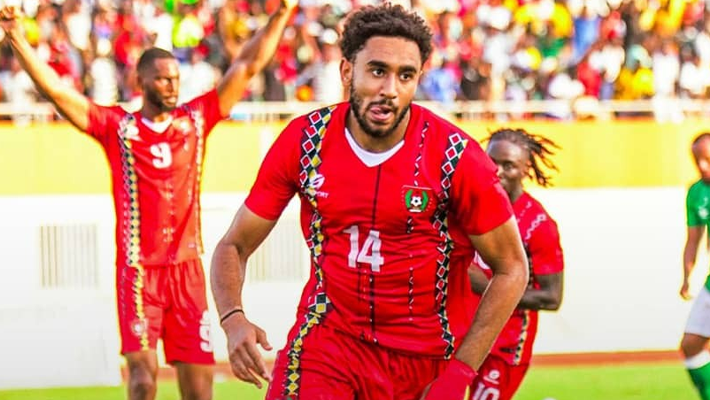
2027 AFCON Qualifier: Guinea-Bissau beat Madagascar, extend lead over Nigeria in Group L
Guinea-Bissau now have 10 points, Nigeria seven points, while Madagascar and Tanzania have two points each.
Africa
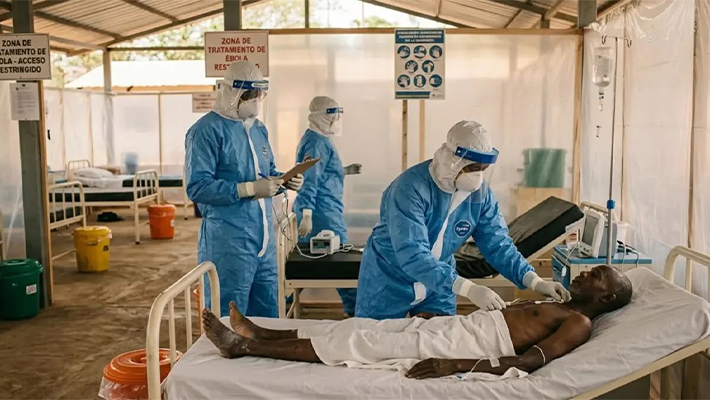
WHO raises concern over rising Bundibugyo Ebola deaths, insecurity in DR Congo
Mr Ghebreyesus said the outbreak, declared six months ago, had spread across 67 health zones in eight provinces in the DR Congo.

Africa
Afreximbank urges industries to boost intra-African trade as alternative to China in global markets
“As global markets look to diversify production beyond China, Africa must position itself as a natural partner of choice,” Mr Maayergi said.

World
Russell Brand faces probe over prison message to supporters
Mr Brand was convicted at Southwark Crown Court of one count of rape and three counts of sexual assault.
Politics
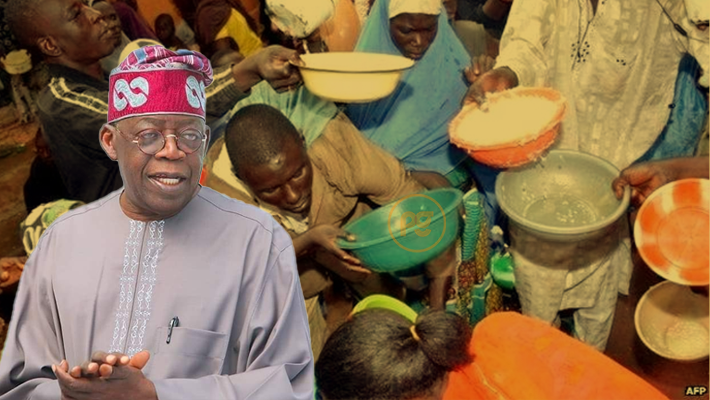
Tinubu admits cost-of-living crisis after APC dismissed widespread hunger claims
According to Mr Tinubu, the 2027 election is about the country’s future and direction.

World
WHO pushes for stronger vaccination, screening, treatment to eliminate cervical cancer
WHO said that expanding HPV vaccination, improving screening access, and ensuring timely treatment are critical to protecting women.


