

UNICEF to screen 3 million malnourished children in North-East
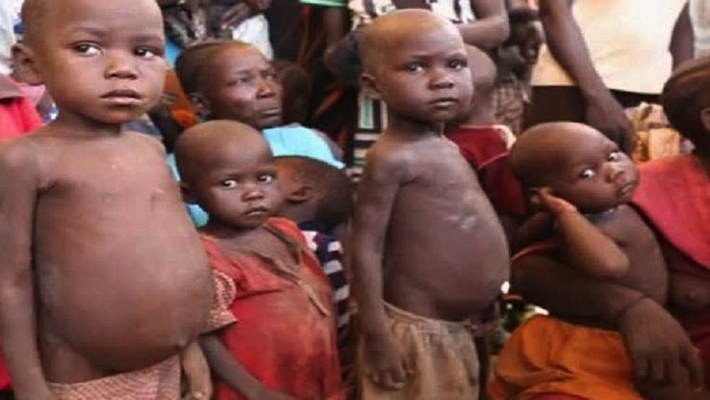
UNICEF is set to screen at least three million children for acute malnutrition in the North-East.
UNICEF’s Communication Officer in Nigeria, Folashade Adebayo, said in a statement issued in Maiduguri on Monday that the screening would be done with a grant from the government of Japan.
She said the grant would assist UNICEF to work with mothers and other caregivers to boost community-based food production.
It would also help in the detection, referral and monitoring of children with severe acute malnutrition in Borno and Yobe states.
“Children with severe acute malnutrition are at a significantly higher risk of death as compared to well-nourished children.
“A recent survey found that malnutrition rates in children between six months and 59 months are as high as 10 per cent in Borno and up to 12.3 per cent in Yobe.
“This is well above the five per cent threshold globally recognised to be of public health significance.
“With COVID-19 pandemic and the attendant loss of livelihood and food insecurity, thousands of more children could be at risk of malnutrition-related deaths or stunting in the region this year,” she stated.
“The new grant will aid in the early detection and prompt treatment of children suffering from acute malnutrition.
“It will build a strong network of community nutrition responders who can ensure quick referrals of malnourished children to health facilities where trained health workers will be able to help them,” she added.
Ms Adebayo also stated that about 50,000 pregnant and lactating women and other caregivers would be trained to store and cook affordable food for themselves and for their children.
They would also be trained on how to monitor their children’s nutritional status at home, she added.
She quoted the Charge d’ Affaires of the Japanese embassy in Nigeria, Shinozawa Takayuki, as expressing the hope that the funding would ensure life-saving nutrition for children’s survival in the frontline states.
(NAN)

We have recently deactivated our website's comment provider in favour of other channels of distribution and commentary. We encourage you to join the conversation on our stories via our Facebook, Twitter and other social media pages.

More from Peoples Gazette

States
Independence: NBA urges Nigerians to expect better future
The NBA said that ordinary Nigerians should be deriving benefit from the subsidy removal rather than hardship.

Agriculture
FG tasks ECOWAS on leveraging financing strategies for agroecology
The federal government has urged stakeholders in the agriculture and finance sectors in the West Africa region to leverage financing strategies to enhance agroecology practices

Politics
Katsina youths pledge to deliver over 2 million votes to Atiku
“Katsina State is Atiku’s political base because it is his second home.”

Diaspora
Gov. Otti, Adina Howard named among recipients of 2026 Afro Awards in U.S.
Mr Oduala said responsible leadership should focus on humanitarian services, economic growth and societal development.

Heading 3
Timeline of military aircraft crashes in Nigeria since explosives-laden plane crashed in Ekiti in 1942
Since the first military plane crash in Nigeria in 1942, at Igbo Ilapa Hill in Ekiti, the country’s landscape has been littered with wreckage of crashed aircraft.
NationWide
NOA condoles NAF, families of officers in crashed aircraft in Ondo
Mr Issa-Onilu said the fallen officers represented courage, discipline, patriotism and commitment to national service.

Africa
Economic growth in Nigeria, other Sub-Saharan Africa countries gaining momentum despite global uncertainty: World Bank
Building the foundations for an AI-ready economy can help turn Africa’s growth into more jobs and better opportunities for the region’s rapidly growing labour force.

NationWide
ITUC-Africa warns political leaders against inflammatory comments ahead of 2027 polls
Mr Odigie expressed concern over inflammatory political rhetoric as Nigeria approaches the 2027 elections

Heading 2
Abducted corps member’s sister begs Nigerians to support her rescue
Ms Olawole said her sister was suffering from chronic ulcer.


