

We averted over 4,000 industrial actions in seven years: Buhari regime

President Muhammadu Buhari’s regime says it successfully averted over 4,000 impending strike actions by industrial unions across the country through dialogue in the last seven years.
“We have been very proactive in handling industrial disputes,” Minister of Labour and Employment, Chris Ngige, said at the weekly ministerial briefing organised by the Presidential Communications Team on Tuesday in Abuja.
“We have conciliated about 4000 labour disputes, more than that figure; I think about 4300 or so since I came into that ministry, and you don’t hear about that.”
According to him, dialogue remains the best tool for settling labour disputes. This, he said, the ministry had done upon getting notice of an impending strike.
The minister said although some of the unions, especially in the oil and gas sector, were not big, the ministry was committed to taking necessary steps.
“The Ministry of Labour holistically conciliates, but we don’t make those ones public because an agreement is reached almost immediately, and the agreement ground is easy, and you won’t see a strike.
“Once you write to us of a pre-action (Trade Dispute Notice), once you do that, you have exercised your right, and the rest is left for us,” he said.
Mr Ngige added that the Ministry has Labour dispute desks and rapid response teams in all the stages of the federation that help in addressing industrial disputes.
The minister said modalities were already in the pipeline to give a pay rise to civil servants, especially those that enjoy peculiarity allowance, adding that the authorities awaited the president’s approval to implement.
“We are already addressing the envisaged challenges associated with the current high cost of living.
“We are handling the issue of pay rise; some of the Ministries Departments and Agencies are doing that; even for federal civil servants, there is a peculiar allowance that is envisioned for them.
“The Presidential Committee on Salaries has approved it, and we have sent that to the President, and once he approves it, implementation will start for them.
“Other people in the public service are also taking a queue, some are giving five or ten per cent pay rise,” he said.
The minister further disclosed that Nigeria had completed arrangements to collaborate with the International Organization for Migration to prevent illegal migration by job seekers.
He added that efforts had been intensified to revive textile industries in the country, adding that the Central Bank of Nigeria had since implemented special funds for cotton growers.
Mr Ngige said the fund was to locally source raw materials for the textile industries.
(NAN)

We have recently deactivated our website's comment provider in favour of other channels of distribution and commentary. We encourage you to join the conversation on our stories via our Facebook, Twitter and other social media pages.

More from Peoples Gazette

Agriculture
FG tasks ECOWAS on leveraging financing strategies for agroecology
The federal government has urged stakeholders in the agriculture and finance sectors in the West Africa region to leverage financing strategies to enhance agroecology practices

Politics
Katsina youths pledge to deliver over 2 million votes to Atiku
“Katsina State is Atiku’s political base because it is his second home.”
NationWide
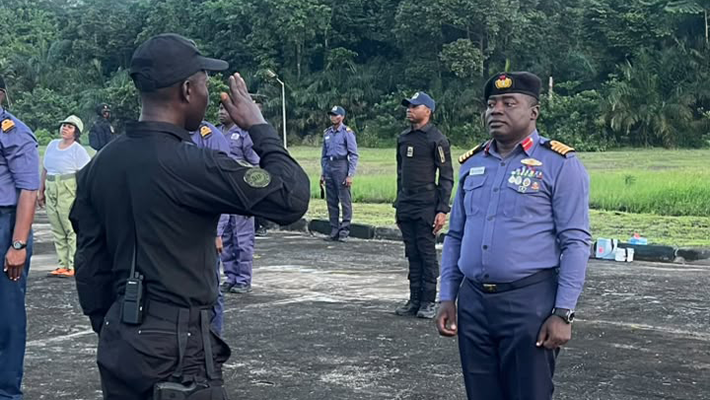
Navy holds route march to boost combat readiness
The exercise, conducted through Egweama communities in Brass, aimed to enhance physical endurance, promote healthy living, and maintain a physically fit force.
Sport
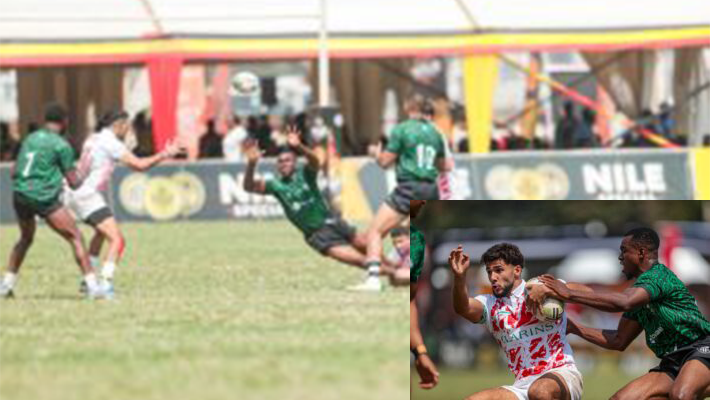
Nigeria’s Stallions beat Ghana, fall to Morocco in Africa rugby men’s sevens
The Stallions opened their campaign with a 26-5 victory over Ghana’s Black Eagles but suffered a 36-5 defeat to Morocco in their second match of the competition.

Heading 4
APC reviews structures, declares readiness for 2027
APC National Chairman, Prof. Nentawe Yilwatda, said the review covered the party’s structures from the national, state, local government and ward levels to polling units.
Heading 1
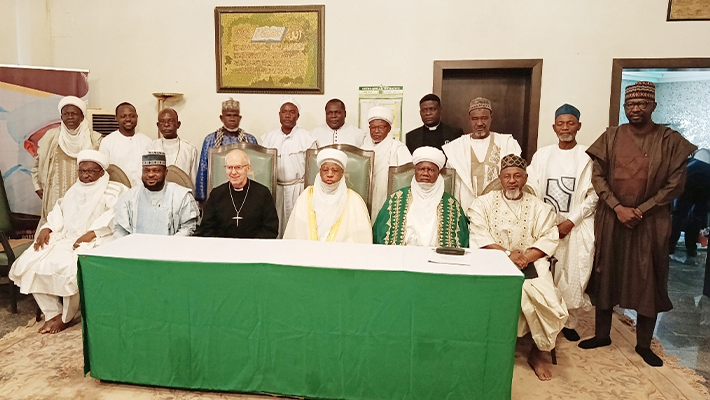
Sultan, ex-Archbishop of Canterbury urge peaceful coexistence in Nigeria, beyond
“There is a need for a strong call on religious and faith communities to work towards checking all forms of hatred,” the Sultan said.
Abuja
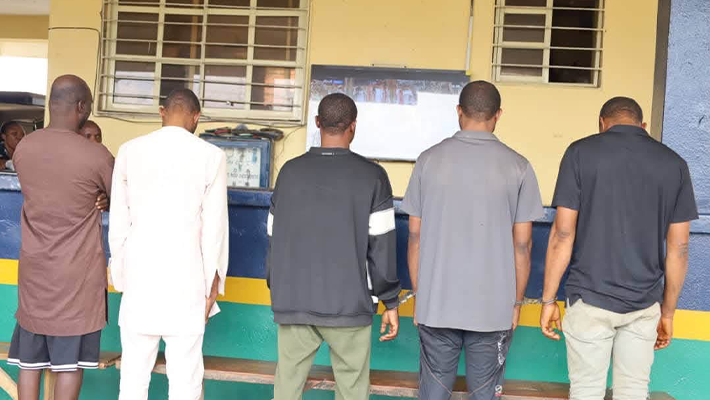
Police arrest suspected ‘one chance’ robbers in Abuja
The FCT police command arrested three suspected members of a ‘one chance’ robbery gang in Abuja.

Economy
TCN, Imcomtel inspect Katsina substation ahead of major installation
TCN, Katsina sub-region, and Imcomtel Engineering Limited inspected the Katsina 330/132/33 kilovolt (kV) transmission substation project ahead of a major installation.


