

What Nigeria can do as poor HDI aggravates mental illness of citizens
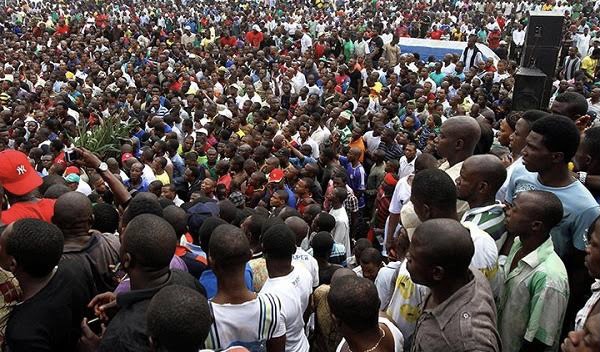
On September 8, 2022, the United Nations Development Programme (UNDP) published the 2021-2022 human development report. The report assessed 191 countries, and Nigeria places 163 on the Human Development Index (HDI). The HDI uses indices like long and healthy life, knowledgeability and decent living standards to measure human development. In Nigeria’s case where these indices measure poorly, concerns about citizens’ mental health are a culprit.
If Nigeria refuses to attend to its exploding number of mental health cases, the country’s poor HDI standing will continue to worsen. Also, to make the best out of Nigeria’s growing population, the government needs to review its mental health laws and partner with relevant bodies to improve access to mental healthcare.
The UNDP report stated that the Boko Haram insurgency contributes negatively to severe emotional disorders, psychological distress, psychotic disorders, PTSD and depression. The root problem here is the ongoing insurgency. The Nigerian government must intensify its counterterrorism efforts to tackle insurgency. Beyond that, the victims of insurgencies and the rest of the 60 million Nigerians who suffer mental health illnesses should be able to access adequate care.
Nigeria’s current law on mental health, the Lunacy Act, needs to be reviewed. The 1958 law permits the detention of people with mental health conditions in mental health institutions. During detention periods, patients are sometimes restrained with metal chains and tortured. This practice is simply torturing and it violates patients’ human rights. The Nigerian government must repeal the Lunacy Act and enact a new mental health law. The new law should tick the boxes of the World Health Organization Checklist on Mental Health Legislation.
The new law should also protect the human rights of mental health patients. The new law should outlaw the illegal detention of mental health patients and torture at mental health facilities.
The National Health Insurance Authority (NHIA) should integrate access to mental healthcare as part of its core goals for universal health coverage. NHIA is responsible for coordinating Nigeria’s healthcare insurance. The Vulnerable Group Funds of the new NHIA Act should cover mentally ill people. Mental health patients who are victims of insurgencies should be a priority in the plan. Those covered under the plan will not need to worry about paying immediately before they can access adequate care. The strategy would finance mental health insurance coverage and could pay indigent mental health insurance premiums.
The provision of mental healthcare needs to transcend the limited available services of psychiatrists. Just about 300 psychiatrists are serving 60 million mentally ill Nigerians. There is a need to review the current mental healthcare delivery approach. The Federal Ministry of Health, in conjunction with state health ministries and the Association of Psychiatrists in Nigeria, should develop a curriculum to train community health professionals. The training should focus on essential care for mental disorders. Alongside providing other medical care in their primary health centers, trained community health professionals can manage mild mental health cases. Severe cases could be referred to the meager number of available psychiatrists.
In Nigeria today, the number of organisations that focus on providing mental health support continues to grow. Some of these organisations have gone beyond advocacies to develop digital solutions to aid mentally ill patients. The Nigerian government should support these organisations to scale up their support programmes.
The support will ensure more people who currently lack access to mental healthcare are reached. The government should offer profit-oriented organisations that are focused on mental health and have proven impact access to funding. Repayment could stretch over 10 years. For non-profits, the government should offer them grants to execute their programmes targeting those who need mental healthcare the most.
The stigmatisation of mentally ill people in Nigeria remains a problem. This problem has encouraged poor mental health-seeking behaviour amongst Nigerians. Beyond mental health education in the media, the education ministry should integrate mental health topics into the academic curriculums of schools. The curriculum development team should include educators and experienced psychiatrists to ensure the lesson content is relevant. These topics should focus on explaining mental health, the nexus between mental health and human development and how to seek proper care.
By 2050, Nigeria has been projected to be the third most populous country in the world. More than 50% of the projected population would be less than 65 years old. Nigeria’s human resources will keep rising over the next three decades. To translate human resources to meaningful national development, the Nigerian government must repeal existing mental health laws and work with relevant organisations to improve access to mental healthcare.
David Adetula is a writing fellow at African Liberty.

We have recently deactivated our website's comment provider in favour of other channels of distribution and commentary. We encourage you to join the conversation on our stories via our Facebook, Twitter and other social media pages.

More from Peoples Gazette

States
Independence: NBA urges Nigerians to expect better future
The NBA said that ordinary Nigerians should be deriving benefit from the subsidy removal rather than hardship.

Agriculture
FG tasks ECOWAS on leveraging financing strategies for agroecology
The federal government has urged stakeholders in the agriculture and finance sectors in the West Africa region to leverage financing strategies to enhance agroecology practices

Politics
Katsina youths pledge to deliver over 2 million votes to Atiku
“Katsina State is Atiku’s political base because it is his second home.”

Heading 1
Degree, NYSC certificates used by Enugu PDP governorship candidate Uche Nnaji forged: Investigator
Mr Nnaji is the Enugu State governorship candidate of the Peoples Democratic Party.
Heading 2
Tinubu orders security agents to probe killing of Islamic cleric in Katsina
The duo were killed by gunmen in a drive-by shooting incident on Monday evening in Dutsin-Ma, Katsina State.

Heading 5
FG extends special passport intervention in UK until November 27
The extension came as the current phase of the exercise was expected to end on October 30, following an earlier extension from October 3.
Lagos
Tinubu’s re-election guaranteed, says Lagos lawmaker
Mr Tobun said the President’s reform agenda was intended to reposition the economy and create opportunities for businesses.

States
Police apprehend five suspected kidnappers, rescue one female victim
The police said the suspects lured their victims through online dating sites.

Rights
Centre condemns assassination of Islamic leader Masussuka, demands justice
ICADAR has expressed grief over the killing of religious leader Yahaya Masussuka and called on security authorities to bring the perpetrators to justice.


