

WHO calls for stronger eye care integration in Africa’s health systems

The World Health Organisation (WHO) has called for stronger integration of eye care into health systems, increased investment, and targeted strategies to improve access to quality vision services across African countries.
WHO regional director for Africa, Mohamed Janabi, made the call in a message on Wednesday, commemorating World Sight Day, which will be observed globally on Oct. 9, 2025.
Mr Janabi said the day aimed to raise public awareness about the importance of eye health and promote action to reduce preventable vision loss and blindness, especially in low-resource settings.
He revealed that as of 2021, only 32 per cent of WHO member states had developed a national policy specifically addressing vision loss and blindness, showing a gap in eye health prioritisation.
“This limited policy coverage reflects broader challenges in resource allocation and health planning for eye care.
“The existing levels of service coverage highlight the magnitude of unmet vision health needs,” he stated.
Mr Janabi disclosed that effective cataract surgery coverage in the African Region stood at only 26 per cent, meaning just one in four affected individuals achieved a good visual outcome post-surgery.
“Similarly, effective coverage for refractive error correction, such as with eyeglasses, is estimated at 30 per cent, indicating one in three people with visual impairment have received appropriate vision correction.
“These figures underscore the urgent need for stronger health system integration, targeted investment, and people-centred strategies to ensure everyone can access quality eye care services,” he said.
Mr Janabi emphasised that good vision significantly impacted well-being, education, productivity, and employment, while vision impairment remained a major public health concern expected to increase without urgent intervention.
He acknowledged that Africa had made progress in reducing vision loss from diseases like trachoma, vitamin A deficiency, and onchocerciasis, but new challenges were rapidly emerging across the continent.
“These include ageing populations, poor eye health awareness, unhealthy diets, sedentary lifestyles, and the growing burden of noncommunicable diseases that increase risk of cataracts and refractive errors.
“To tackle this growing challenge, several strategic global initiatives have been introduced, including Vision 2020: The Right to Sight, which aims to eliminate avoidable blindness,” he explained.
Mr Janabi said the Vision 2020 initiative focused on scaling up affordable, sustainable cataract services and strengthening national capacities to eliminate preventable blindness by establishing eye health infrastructure and skilled workforce.
He added that the World Health Assembly’s 2021 resolution WHA74(12) urged member states to implement integrated, people-centred eye care and achieve global coverage targets for refractive errors and cataracts by 2030.
“Under the resolution, countries are expected to increase effective refractive error coverage by 40 percentage points and cataract surgery coverage by 30 percentage points before the 2030 deadline.”
Mr Janabi also highlighted the SPECS 2030 initiative, launched by WHO in June 2024, which envisioned universal access to affordable, quality refractive error services by the end of the decade.
“The initiative seeks to improve service delivery, reduce the cost of refractive services, expand the eye care workforce, raise public awareness, and strengthen national surveillance and data systems.
“So far, eight African Member States have begun implementing SPECS 2030, with some already engaging stakeholders and preparing national workplans, while others remain in the early planning stages.”
In spite of these efforts, Mr Janabi said significant challenges remained in ensuring equitable access to sustainable eye care services, especially in underserved communities across the African Region.
He called for intensified action in line with resolution WHA78.7, which urged Member States to integrate sensory care into health benefit packages and ensured sustained funding for such interventions.
“Countries are also encouraged to expand training for eye health professionals, include sensory health indicators in national data systems, and develop inclusive strategies based on WHO technical guidance.”
He noted that platforms like World Sight Day should be used by governments to promote early detection, reduce stigma, and empower people living with vision and sensory impairments.
Mr Janabi urged countries to adopt WHO tools, including situation analysis frameworks, data instruments, and WHO Eyes, a free smartphone app for vision screening, to support policy and advocacy efforts.
(NAN)

We have recently deactivated our website's comment provider in favour of other channels of distribution and commentary. We encourage you to join the conversation on our stories via our Facebook, Twitter and other social media pages.

More from Peoples Gazette

States
Independence: NBA urges Nigerians to expect better future
The NBA said that ordinary Nigerians should be deriving benefit from the subsidy removal rather than hardship.

Agriculture
FG tasks ECOWAS on leveraging financing strategies for agroecology
The federal government has urged stakeholders in the agriculture and finance sectors in the West Africa region to leverage financing strategies to enhance agroecology practices

Politics
Katsina youths pledge to deliver over 2 million votes to Atiku
“Katsina State is Atiku’s political base because it is his second home.”
Abuja
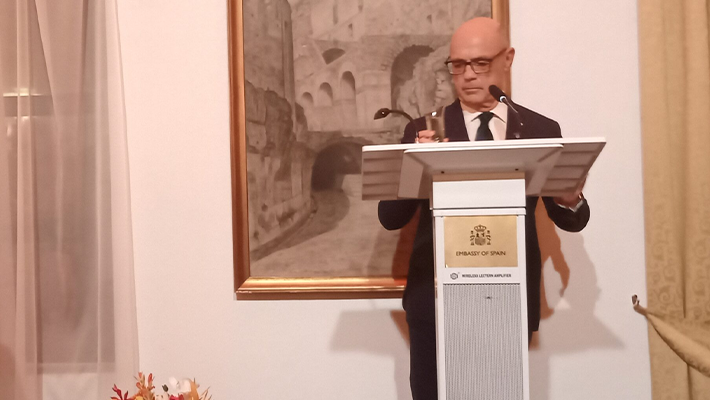
Spain-Nigeria bilateral relations will continue to improve, envoy says
Spain says bilateral relations with Nigeria continue to improve, with prospects for stronger cooperation in trade, investment and other areas of mutual interest.
Economy
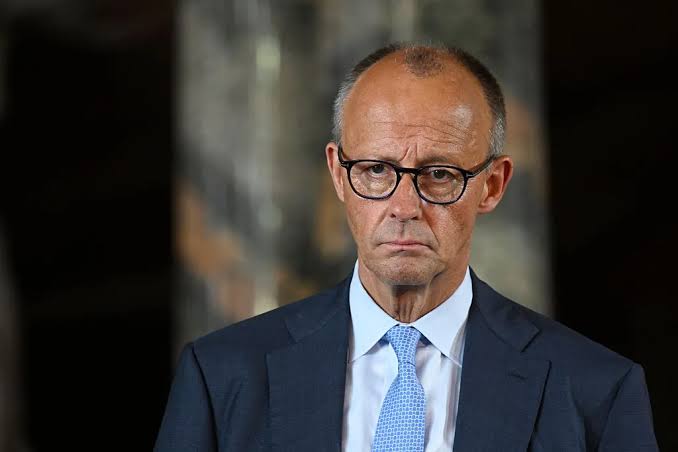
Diesel deal with Russia ‘out of the question’, says Germany
German Chancellor Friedrich Merz on Monday said that the recent agreement between the U.S. and Russia regarding diesel exports is “out of the question” for Germany and Europe.
Economy
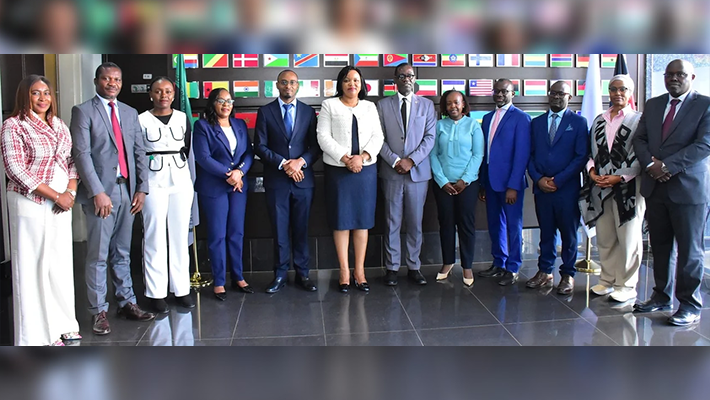
AfDB, Family Bank sign $10 million deal to support trade in Kenya
AfDB and Family Bank have signed a $10 million Trade Finance Line of Creditto expand Kenyan businesses’ access to foreign-currency financing.

Heading 3
UBEC begins distribution of two million packs of sanitary towels to improve school attendance
Ms Garba said the initiative was designed to address barriers to girls’ education.

States
Police nab six armed robbers, recover weapons in Oyo
The police boss reaffirmed the command’s resolve to sustain intelligence-led operations against criminals.

Heading 2
FBI seizes about $17 billion, arrests hundreds in raid on Ghana Yahoo Boys enclave
The operation was described by Mr Patel on social media as part of the agency’s efforts to combat fraud.


