

WHO unveils roadmap to save 2.5 million people from breast cancer
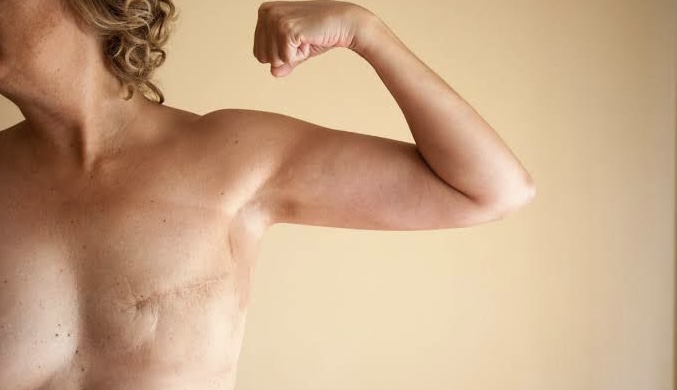
The World Health Organisation (WHO) has unveiled a Global Breast Cancer Initiative Framework providing a roadmap to attain the targets of saving 2.5 million people from breast cancer by 2040.
The unveiling comes as the world observes World Cancer Day, celebrated every year on February 4, to promote awareness of cancer as a public health issue and to strengthen actions towards improving access to quality care and screening.
The framework, according to the WHO said, recommends that countries implement the three pillars of health promotion for early detection, timely diagnosis and comprehensive management of breast cancer to reach the targets.
More than 2.3 million breast cancer cases occur annually, making it the most common cancer among adults.
WHO director-general Tedros Ghebreyesus said in 95 per cent of countries, breast cancer was the first or second leading cause of female cancer deaths.
”Yet, survival from breast cancer is widely inequitable between and within countries; nearly 80 per cent of deaths from breast and cervical cancer occur in low- and middle-income countries,” he stated. “Countries with weaker health systems are least able to manage the increasing burden of breast cancer.”
He added, “It places a tremendous strain on individuals, families, communities, health systems, and economies, so it must be a priority for ministries of health and governments everywhere.”
He explained that WHO has the tools and the know-how to prevent breast cancer and save lives, supporting more than 70 countries, particularly low- and middle-income countries, to detect breast cancer earlier, diagnose faster, treat it better and give everyone with breast cancer the hope of a cancer-free future.
The WHO director-general said a 2020 study by the International Agency for Research on Cancer suggests that with an estimated 4.4 million women dying of cancer in 2020, nearly one million children were orphaned by cancer, 25 per cent of which were due to breast cancer.
Also, Bente Mikkelsen, WHO director for noncommunicable diseases, said countries need to ensure that the framework engages and integrates into primary health care.
She said the newly published framework leverages proven strategies to design country-specific, resource-appropriate health systems for delivering breast-cancer care in low- and middle-income settings.
According to her, it outlines three pillars of action with specific key performance indicators.
(NAN)

We have recently deactivated our website's comment provider in favour of other channels of distribution and commentary. We encourage you to join the conversation on our stories via our Facebook, Twitter and other social media pages.

More from Peoples Gazette

States
Independence: NBA urges Nigerians to expect better future
The NBA said that ordinary Nigerians should be deriving benefit from the subsidy removal rather than hardship.

Agriculture
FG tasks ECOWAS on leveraging financing strategies for agroecology
The federal government has urged stakeholders in the agriculture and finance sectors in the West Africa region to leverage financing strategies to enhance agroecology practices

Politics
Katsina youths pledge to deliver over 2 million votes to Atiku
“Katsina State is Atiku’s political base because it is his second home.”

Heading 1
Trump offers $1 million reward to anyone reporting voter fraud
On Monday, 48 foreign nationals were charged with illegal voting and other election-related crimes.
Education
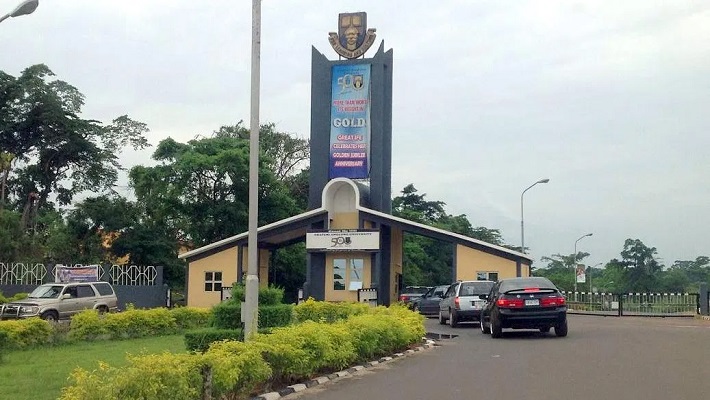
OAU resumes new academic session November 1
The school noted that registration for newly admitted students would begin on November 2.

Heading 5
Apple’s first foldable iPhone draws complaints over cracked screens
Apple released the iPhone Duo, its first foldable phone, earlier this year.

Sport
Lamine Yamal wins ‘Men’s young talent of the year’
The Spanish and Barcelona star played a key role in Spain’s World Cup victory.
Heading 3
2027: INEC makes preliminary voter register available online
The commission explained that it was continuing to process claims and objections arising from the exercise in accordance with the Electoral Act, 2026.
Heading 2
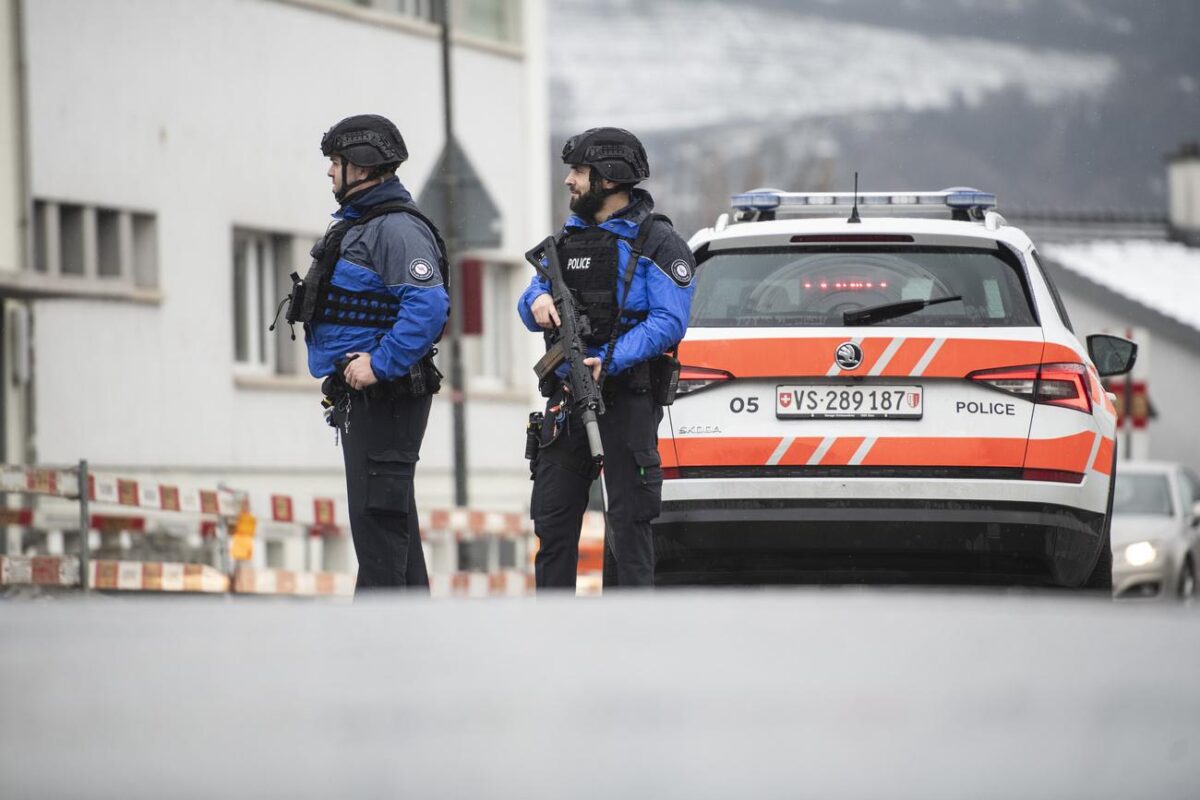
Human remains discovered along Switzerland-Germany border
Investigators suspect that it was a homicide.


