

WHO unveils traditional medicine global library

The World Health Organisation on Monday unveiled the Traditional Medicine Global Library, a first-of-its-kind digital platform consolidating 1.6 million resources on TM, from scientific studies to Indigenous knowledge.
With advanced features such as Evidence Gap Maps and the AI-powered tool TMGL GPT, the Library promises to transform access to trusted information and accelerate research worldwide.
The UN health agency unveiled the digital library at the end of the second WHO Global Summit on Traditional Medicine, jointly organised with the Government of India, which concluded on Monday in New Delhi.
Innovation took centre stage with the launch of Health & Heritage Innovations, an initiative to nurture breakthrough ideas that bridge traditional practices with cutting-edge technologies such as AI, genomics, and digital health.
From over 1,000 submissions, 21 finalists were announced at the Summit and will enter a year-long acceleration programme to refine prototypes, receive scientific and regulatory guidance, and connect with policy-makers and investors.
WHO also announced the Strategic and Technical Advisory Group on Traditional, Complementary and Integrative Medicine, a new advisory body to guide the Global Strategy.
Comprised of 19 independent experts, STAG-TM will shape research priorities, develop standards, and advise on integration into health systems. At its inaugural meeting during the Summit, the group set urgent priorities: evidence generation, preservation of traditional knowledge, digital innovation, and capacity building.
Countries rallied behind the Delhi Declaration, issued by 26 member states, signalling a new era for traditional medicine.
This collective pledge focuses on integrating traditional medicine into primary health care, strengthening regulation and safety standards, investing in research, and building interoperable data systems to track outcomes.
It’s a shift from recognition to results – ensuring traditional medicine is not a parallel system but a driver of universal health coverage.
“Through the Delhi Commitment, countries have agreed not only on why traditional medicine matters – but on how to act,” said Tedros Ghebreyesus, WHO director-general. “Traditional medicine can help to address many of the threats to health of our modern world: the growing burden of noncommunicable diseases; inequitable access to health services; and climate change. It can help to support care that is person-centred, culturally grounded, and holistic.”
Looking ahead, WHO will work with member states to turn these commitments into reality– scaling access to trusted knowledge, accelerating innovation, and embedding TM into health systems everywhere.
The Global Traditional Medicine Strategy 2025–2034 charts a bold course toward a future where care is more inclusive, culturally grounded, and resilient.
The summit marked a major milestone for global health, attracting over 16,000 online registrations and bringing together 800 delegates from more than 100 countries, including ministers from over 20 nations.
Combined with a strong lineup of 160 speakers, the global traditional medicine community shared insights on how traditional medicine can strengthen health systems with safer, evidence-based, and affordable care.
(NAN)

We have recently deactivated our website's comment provider in favour of other channels of distribution and commentary. We encourage you to join the conversation on our stories via our Facebook, Twitter and other social media pages.

More from Peoples Gazette

States
Independence: NBA urges Nigerians to expect better future
The NBA said that ordinary Nigerians should be deriving benefit from the subsidy removal rather than hardship.

Agriculture
FG tasks ECOWAS on leveraging financing strategies for agroecology
The federal government has urged stakeholders in the agriculture and finance sectors in the West Africa region to leverage financing strategies to enhance agroecology practices

Politics
Katsina youths pledge to deliver over 2 million votes to Atiku
“Katsina State is Atiku’s political base because it is his second home.”
Politics
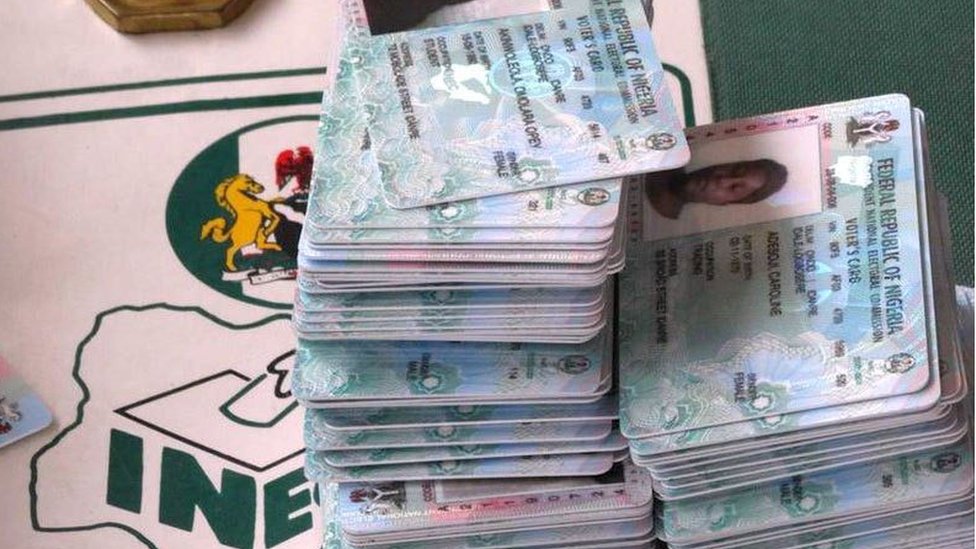
INEC distributes PVCs in Akwa Ibom
INEC has urged Akwa Ibom residents to collect their Permanent Voter Cards at designated centres across the state.

World
Mongolian President Khurelsukh to resign amid multimillion-dollar corruption allegation
Mongolian President Ukhnaa Khurelsukh has announced plans to resign amid a $25 million railway corruption scandal that ensnared his leadership.
Politics
NNPP warns expelled chieftain against using party’s name to attack Tinubu
NNPP warned Nweze Onu to stop making unwarranted allegations against the presidency while claiming to speak for the party.
Politics
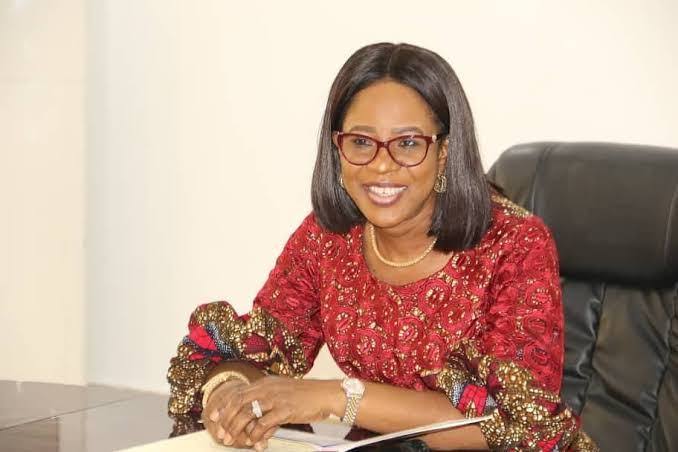
APC chieftain hails Delta governor’s wife
Mr Timi described Delta governor Tobore Oborevwori’s wife as a new force in the party’s mobilisation activities across the state.
Education
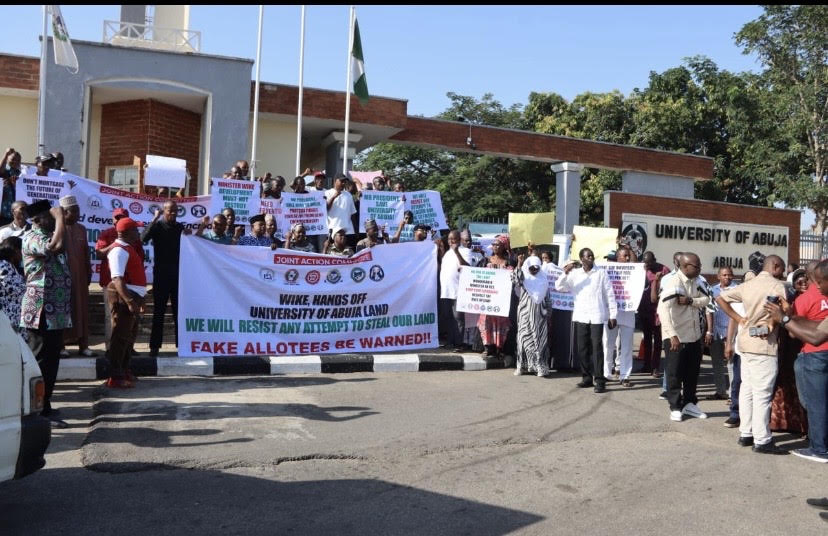
ASUU defends UNIABUJA over land grab by Wike
Speaking on Monday in Abuja, Mr Ugoh said that, according to NUC recommendations, many universities have more hectares of land than UniAbuja.
Africa
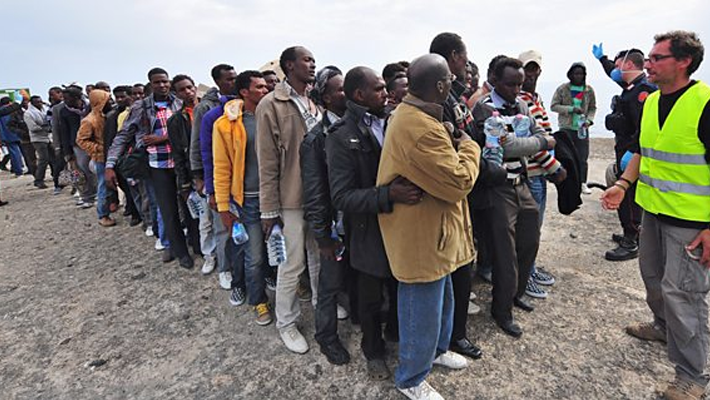
Five European countries plan to deport rejected asylum seekers to Rwanda
Five European countries have announced a partnership with Rwanda to establish deportation centres there in 2027 specifically for rejected asylum seekers.


