

Why Buhari can’t reduce salaries, allowances of political appointees — Osinbajo
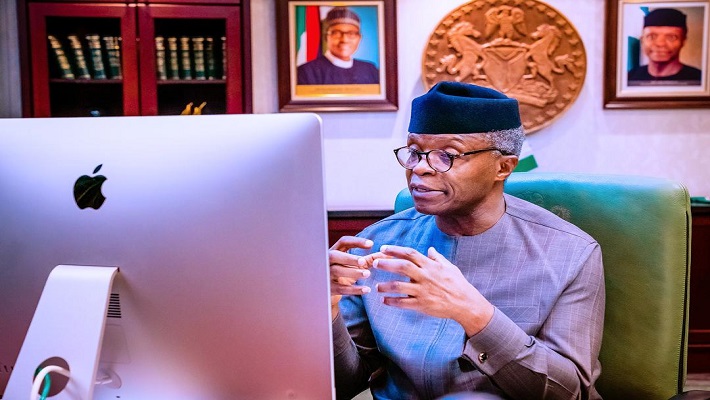
Vice President Yemi Osinbajo says the government wants to rationalise spending to free up fiscal space for its N2.3 trillion economic sustainability plan, but this plan does not include cutting the pay of political officeholders.
Mr. Osinbajo spoke on Thursday at an Africa Report webinar describing the Buhari administration’s plan to restore growth in the economy.
Responding to a question from Peoples Gazette, Mr. Osinbajo said, “[We] could not recommend salary cuts because salary cuts are done by recommendations from the Revenue Mobilisation Allocation and Fiscal Commission (RMAFC). There is a whole process for doing that, although voluntary salary cuts were done by the House of Representatives.”
RMAFC is a federal government agency responsible for setting the salaries and other pay of political officeholders such as legislators, ministers and their appointees.
Nigeria gets more than half of its revenue from oil, but its oil revenue has declined by more than 80% this year due to headwinds caused by the pandemic. In June, the government began cutting petrol subsidies and allowed electricity firms to increase tariffs in September.
While the country struggles and the Nigerian people deal with rising fuel and electricity prices amid high inflation, the government has proposed no clear plan to reduce the cost of governance, especially the pay of political officeholders.
Nigeria operates a large government with over 700 federal parastatals and agencies and 43 cabinet ministers – alongside their numerous special advisers/assistants.
India has 1.3 billion people but less than 800 national legislators. On the other hand, Nigeria’s parliament has nearly 500 national legislators even though the country’s population is seven times smaller than India’s.
In June, the Buhari government announced its economic sustainability plan in which it proposes to stimulate the economy by increasing spending on housing, construction and agriculture. However, the government cannot afford to fund this plan and it intends to borrow more than 75% of the cost from the central bank.

We have recently deactivated our website's comment provider in favour of other channels of distribution and commentary. We encourage you to join the conversation on our stories via our Facebook, Twitter and other social media pages.

More from Peoples Gazette

States
Independence: NBA urges Nigerians to expect better future
The NBA said that ordinary Nigerians should be deriving benefit from the subsidy removal rather than hardship.

Agriculture
FG tasks ECOWAS on leveraging financing strategies for agroecology
The federal government has urged stakeholders in the agriculture and finance sectors in the West Africa region to leverage financing strategies to enhance agroecology practices

Politics
Katsina youths pledge to deliver over 2 million votes to Atiku
“Katsina State is Atiku’s political base because it is his second home.”

NationWide
Sultanate Council plans Islamic microfinance bank to tackle poverty, unemployment
Mr Suharto noted that the initiative would support the poorest and most vulnerable individuals to develop sustainable livelihoods.
States
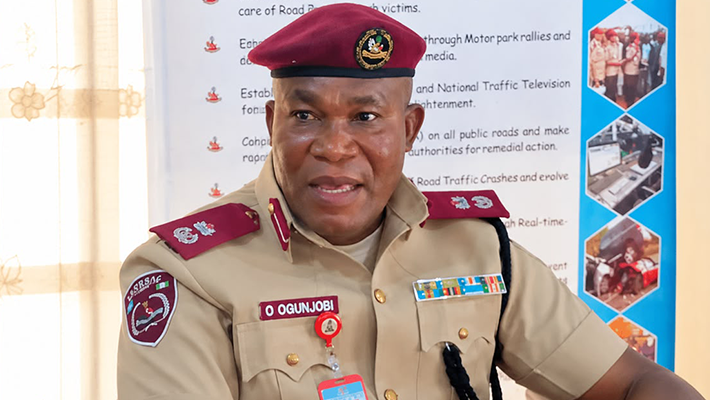
FRSC mourns Ogun sector commander
Mr Mohammed stated, “There are moments when words become inadequate to express the depth of our grief. This is one of such moments for the FRSC.”
States
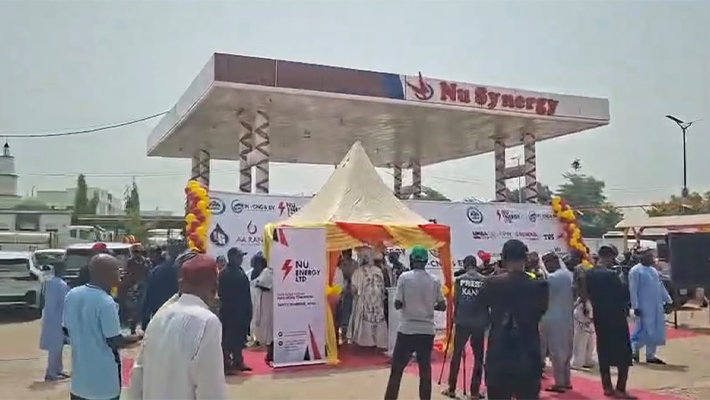
Presidential CNG initiative inaugurates two private refuelling, conversion stations in Kano
Mr Ahmed stated, “The future belongs to cheaper energy sources for transportation.”

Abuja
NLO Cup: City FC thrash Paul E FC 3-0 in Abuja
Coach Sunday Bege expressed confidence in City FC’s prospects.


States
Police rescue Catholic priest, five other kidnap victims in Benue
The PPRO said that the victims were rescued on Sunday evening by security agents.


