

Why SME Growth Requires More Than Capital
For years, discussions about small and medium-sized businesses in Nigeria have focused on access to finance. While funding remains important, money alone will not drive the next stage of SME growth. We need to look beyond funding.
Entrepreneurs across Nigeria face high costs, changing customer needs, rapid technology shifts, and more competition. At the same time, digital tools, regional trade, and new technologies open new avenues for growth. Because of these challenges and opportunities, building a stronger business ecosystem is more important than ever.
The main question is no longer if Nigerian SMEs can survive. Many have shown they can handle tough times and market changes. Now, the real question is whether they can grow sustainably and compete in a more connected world.
The key is to build stronger business ecosystems that support SMEs.
Around the world, the best ways to help SMEs go beyond lending money. They focus on building systems that connect businesses to infrastructure, technology, markets, skills, networks, and funding. Businesses succeed not just because they get money, but because they operate in environments that help them be productive and grow. Nigeria should build on this model.
There are four main priorities for building this kind of ecosystem for Nigerian SMEs.
Infrastructure as a productivity enabler
Infrastructure remains one of the biggest challenges to business growth in Nigeria. Reliable electricity, good transport networks, and strong internet connectivity are not just nice-to-haves—they are essential for businesses to compete.
For many SMEs, energy costs account for a large share of expenses, hurting profits and limiting growth. That’s why affordable and reliable energy is now an economic need, not just an environmental issue.
Because more private companies are investing in renewable energy. For example, our partnership with the Rural Electrification Agency helps set up mini-grids, giving businesses and communities better access to power. By using less expensive diesel, businesses can work more efficiently, save money, and become more sustainable. Long-term infrastructure is more than just energy. Better transport, wider internet access, and stronger digital connectivity will determine which businesses can reach more customers and join the digital economy. All these factors together make businesses more competitive.
New competitive landscape
Technology is changing the way businesses work, compete, and grow. Now, a small business in Aba, Kano, or Lagos can sell products across Nigeria and abroad using digital platforms. Still, many SMEs are held back by manual work, disconnected payment systems, and limited access to digital tools. Not everyone can take advantage of these opportunities.
The most successful SMEs in the future will be those that use technology not just to run their business, but as a key part of their growth plans.
Tools such as digital payments, online stores, cloud-based business systems, data analysis, and artificial intelligence are helping businesses work more efficiently, better understand their customers, and grow faster.
Because of these changes, banks need to do more than just offer services—they should help businesses use technology. For example, FCMB Collect brings together payments, collections, and inventory management to help businesses run more smoothly and track their finances more effectively. By partnering with other companies and investing in secure digital systems, we are helping businesses take part in the digital economy.
Building capability for growth
Having the right skills and knowledge can be just as important as having enough money.
Many SMEs have good business ideas and see market opportunities, but often lack the management, financial, and tech skills needed for long-term growth. Today, competitiveness depends increasingly on how well business owners make smart choices, use technology, and adapt quickly. That’s why having the right skills is as important as having enough money.
Business owners need to improve at managing money, leading teams, selling online, making data-driven decisions, preparing for exports, and using new technologies such as artificial intelligence. These skills will set apart businesses that stay small from those that grow successfully.
That’s why training programs are still a key part of helping SMEs grow. Through workshops, masterclasses, and our Business Zone learning platform, FCMB provides entrepreneurs with practical knowledge to build stronger, more resilient businesses. As technology and markets continue to change, ongoing learning will be a significant advantage, making these programs even more valuable.
Rethinking access to finance
Finance remains very important, but the way it is delivered is changing.
Old ways of lending often leave out businesses that lack formal records or traditional collateral. But new tools such as data analysis, digital platforms, and different ways to check credit are helping more businesses access finance. This is making finance more inclusive.
Also, working with development finance institutions and sharing risks is making it easier for businesses in key sectors such as agriculture, healthcare, education, renewable energy, and women-led enterprises to access affordable financing.
The future of SME finance will depend not just on how much money is available, but on how wisely it is used. Financing should fit the needs of different sectors, business stages, and models. This way, finance will have a bigger impact.
The future is ecosystem-led
Nigeria’s SME sector is still one of the country’s biggest economic strengths. Its power to create jobs, encourage new ideas, and support growth for everyone will shape the country’s future.
But the next stage of SME growth won’t be about who gives out the most loans. It will be about who can build the best support system for entrepreneurs. This change is already happening.
Businesses need access to markets, technology, infrastructure, knowledge, networks, and capital all working together as one system. When these things come together, SMEs can not only survive tough times but also grow, innovate, and compete worldwide. In short, the ecosystem needs to work as a whole.
At FCMB, our experience working with businesses across diverse sectors has reinforced the belief that sustainable growth requires more than financing. It requires creating opportunities for businesses to access knowledge, technology, markets, partnerships, and affordable solutions that strengthen their competitiveness.
The future of Nigeria’s economy will depend on how effectively we empower entrepreneurs to succeed. Achieving that goal requires a collective commitment to building an ecosystem where businesses are not only funded but also equipped to grow, innovate, and create lasting value. When SMEs succeed, communities prosper, jobs are created, and economies grow. Building that future must remain a national priority.
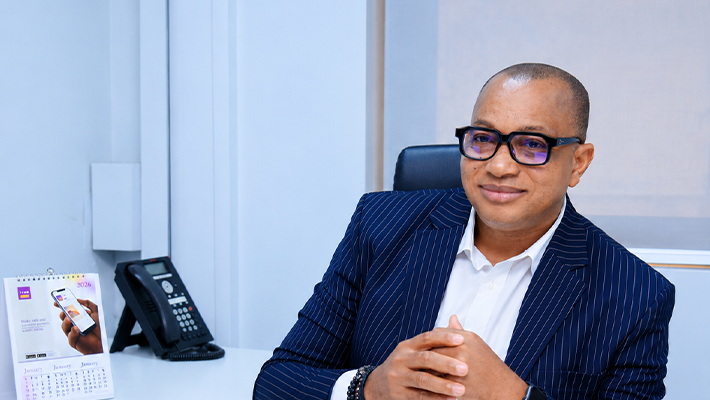
George Ogbonnaya is the Senior Vice President and Divisional Head, Business Banking Group, First City Monument Bank.

We have recently deactivated our website's comment provider in favour of other channels of distribution and commentary. We encourage you to join the conversation on our stories via our Facebook, Twitter and other social media pages.

More from Peoples Gazette

States
Independence: NBA urges Nigerians to expect better future
The NBA said that ordinary Nigerians should be deriving benefit from the subsidy removal rather than hardship.

Agriculture
FG tasks ECOWAS on leveraging financing strategies for agroecology
The federal government has urged stakeholders in the agriculture and finance sectors in the West Africa region to leverage financing strategies to enhance agroecology practices

Politics
Katsina youths pledge to deliver over 2 million votes to Atiku
“Katsina State is Atiku’s political base because it is his second home.”

Abuja
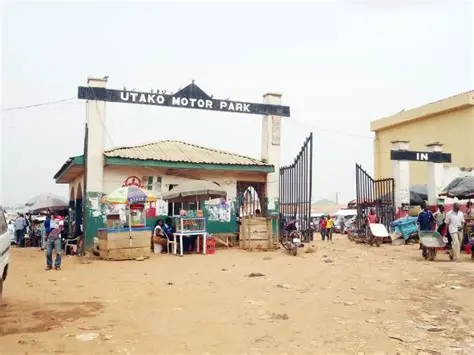
Rising transport fares force FCT pupils to miss school
Transportation costs have risen sharply in recent months, with transport operators attributing the rise to persistent fuel price increases.

Politics
Atiku derides security deployment to protect Tinubu’s billboards while bandits attack communities
Mr Abubakar said that protecting billboards while citizens are exposed to terrorist attacks shows the poor priorities of Mr Tinubu’s government.
Health
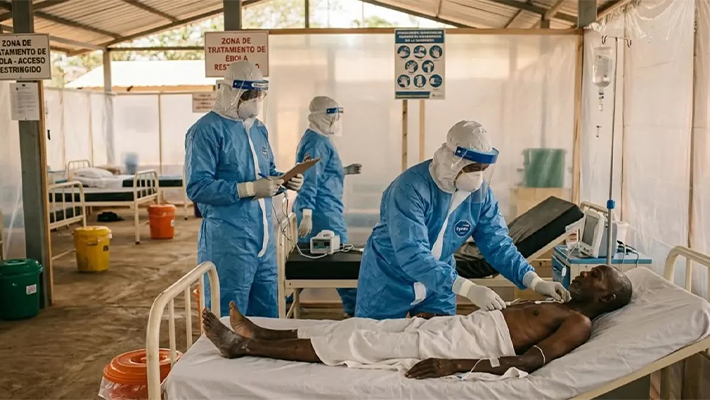
Ebola patient in Nigeria married to Swiss diplomat: Ministry
The couple had been in Uganda since late September but returned to Nigeria earlier this month.

Africa
Ghana to stop raw mineral exports by 2030: Mahama
Mr Mahama reaffirmed that government policy will pivot from merely extracting raw materials to building complete industrial value chains.

Africa
Ghanaian broadcaster Kwame Dzokoto dies after collapsing during live show
Mr Dzokoto died early Thursday while participating as a panelist on the morning show on Owass FM/Radio in Tarkwa, Ghana’s Western Region.


