World Economic Forum predicts climate change-related deaths, illnesses by 2050
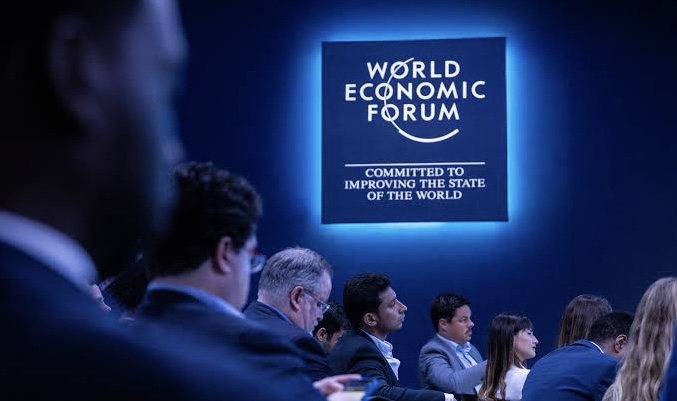
A Davos report, published on Tuesday said climate change threatens to cause several million deaths in the coming decades, as well as serious illnesses and high costs for healthcare systems.
According to the joint report by the World Economic Forum, the greatest risk is posed by flooding.
The authors of the study analysed six key consequences of climate change: Floods, droughts, heat waves, tropical storms, forest fires and rising sea levels.
The study is based on the Intergovernmental Panel on Climate Change’s medium scenario for temperature rise by 2100, which assumes an increase in the average temperature of 2.7 degrees Celsius.
According to the study, climate change could then cause up to 14.5 million deaths worldwide by 2050.
Healthcare systems would have to bear additional costs totalling $1.1 trillion.
According to estimates, flooding alone could cause 8.5 million deaths by 2050 not only directly, but also indirectly through crop damage, increased infectious diseases and higher humidity.
The Asia-Pacific region, with its heavily populated coastal regions, is likely to bear the brunt of this.
The authors expect the second-highest mortality rate of 3.2 million deaths to be caused by droughts primarily due to the long-term effects of declining water quality and less fertile soils on child mortality.
According to the report, heatwaves could cost around 1.6 million lives by 2050, especially among older people.
The report also predicts there would be an increase in illnesses and cases of occupational disability.
Warmer temperatures, for example, could cause mosquitoes to spread significantly, making malaria, dengue fever and Zika infections more common in Europe and the U.S.
Overall, however, according to the study, regions in Africa, the Middle East and Asia would be particularly affected by the health consequences of climate change.
The results of the report are to be discussed at the World Economic Forum in Davos on Thursday.
(dpa/NAN)

We have recently deactivated our website's comment provider in favour of other channels of distribution and commentary. We encourage you to join the conversation on our stories via our Facebook, Twitter and other social media pages.

More from Peoples Gazette

Agriculture
FG tasks ECOWAS on leveraging financing strategies for agroecology
The federal government has urged stakeholders in the agriculture and finance sectors in the West Africa region to leverage financing strategies to enhance agroecology practices

Politics
Katsina youths pledge to deliver over 2 million votes to Atiku
“Katsina State is Atiku’s political base because it is his second home.”

States
Niger: Police rescue two suspected phone thieves from mob
He identified the suspects as Hassan Abdullahi, 20, and Khalifa Bashir, 22.

Heading 5
Court of Appeal nullifies Electoral Act provisions on parties’ primary election, membership register
Zenith Party argued that the disputed Electoral Act provisions unlawfully interfered with the internal affairs of political parties.

Lagos
Governor Sanwo-Olu inaugurates climate investment fund
Mr Sanwo-Olu described the fund as a landmark intervention.

States
Judiciary partners revenue board to boost IGR in Taraba
Mr Agya commended the service for its reforms.

NationWide
NRC reaffirms police partnership to protect rail assets
Mr Opeifa described the nation’s railway infrastructure as critical national assets that must be safeguarded.