

Zoonotic diseases increased by 63% in Africa: WHO
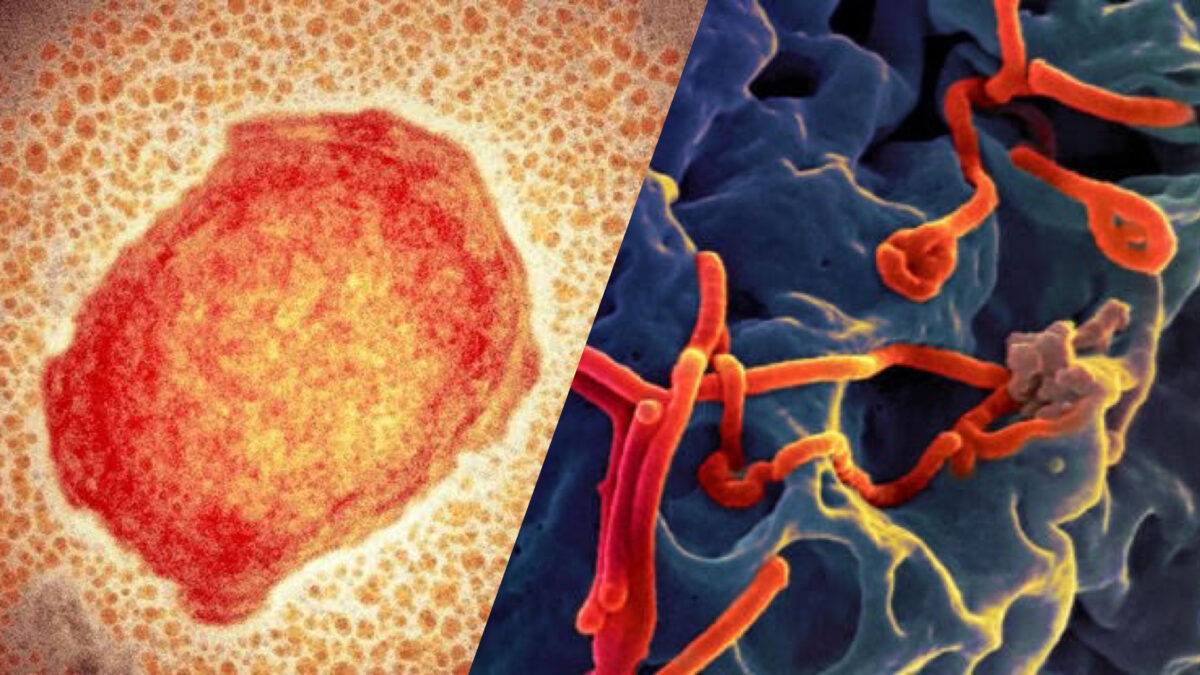
The World Health Organisation says Africa is facing a growing risk of outbreaks caused by zoonotic pathogens such as the monkeypox virus.
There has been a 63 per cent increase in the number of zoonotic outbreaks in the region in the decade from 2012 to 2022 compared to 2001-2011, according to WHO analysis.
Zoonotic disease is any of a group of diseases that can be transmitted to humans by nonhuman vertebrate animals, such as mammals, birds, reptiles, amphibians and fish.
“More than 75 per cent of emerging infectious diseases are caused by pathogens shared with wild or domestic animals,” said WHO regional director for Africa, Matshidiso Moeti, during a media briefing on Thursday. “They (zoonotic) account for a substantial burden of disease, resulting in about a billion sick people and millions of deaths globally every year.”
The analysis found that since 2001, 1,843 substantiated public health events were recorded in the African region – 30 per cent of which were zoonotic outbreaks, as animal-to-human diseases are known.
While the numbers have increased over the past two decades, 2019 and 2020 saw a particular spike, with zoonotic pathogens accounting for half of all public health events.
Moreover, Ebola and similar fevers triggering blood loss from damaged vessels (haemorrhagic) constitute nearly 70 per cent of these outbreaks, including monkeypox, dengue fever, anthrax and plague.
Although there has been an increase in monkeypox since April, compared to the same period in 2021, the numbers are still lower than the 2020 peak, when the region recorded its highest-ever monthly cases.
Following a sudden drop in 2021, 203 confirmed cases of monkeypox have been recorded in the region since the beginning of the year, as the zoonotic disease spreads worldwide into many countries where it has not been endemic.
“Available data for 175 of the cases this year in Africa, indicate that just over half the patients when averaged out, were 17-year-old men,” said Ms Moeti. “Africa cannot be allowed to become a hotspot for emerging infectious diseases.”
(NAN)

We have recently deactivated our website's comment provider in favour of other channels of distribution and commentary. We encourage you to join the conversation on our stories via our Facebook, Twitter and other social media pages.

More from Peoples Gazette

Agriculture
FG tasks ECOWAS on leveraging financing strategies for agroecology
The federal government has urged stakeholders in the agriculture and finance sectors in the West Africa region to leverage financing strategies to enhance agroecology practices

Politics
Katsina youths pledge to deliver over 2 million votes to Atiku
“Katsina State is Atiku’s political base because it is his second home.”

NationWide
Mixed reactions trail FG’s N50,000 approval for WAEC, NECO exam fee
Ms Ogunkoya urged the government to balance cost recovery with citizens’ access to essential public services.

Hot news Home top
Man arrested for allegedly beating wife to death over food in Nasarawa
The police spokesman added that the suspect expressed remorse over the incident.

Heading 5
Seven die in Bauchi-Maiduguri road crash
The police spokesperson said an investigation had commenced to determine the immediate and remote causes of the accident.

World
FBI offers $50,000 reward for information on fugitive wanted for violent crimes
A federal arrest warrant was issued for Mr Singh in the United States District Court, Central District of California, Los Angeles, California on July 1.


Hot news Home top
Troops kill ISWAP cameraman, detect Palestinian trainer, Moroccan doctor in Borno onslaught
Mr Goni said troops subsequently dominated the area and conducted follow-up exploitation operations to determine the extent of the terrorists’ losses.


