


Climate group urges govt to tax oil companies more as El Niño droughts hit harvests, food prices
350.org, a climate campaign group, has advised the government to levy higher and permanent taxes on fossil fuel gains amid global El Niño, a weather pattern characterised by extreme heat, which is projected to cause drought and consequently a food crisis.
The group stated on Monday that companies that benefit from releasing fossil fuels, which were described as harming the climate, should also be made to pay dearly for it.
Anne Jellema, 350.org’s executive director, said the government needed to act now to prevent a humanitarian disaster, given El Niño could trigger global food scarcity.
“Our leaders’ response has to be swifter and stronger than El Niño,” she said in a statement on Monday. “We already know that global heating is supercharging extreme weather damage, and the public wants polluters to pay for it. With Big Oil’s earnings skyrocketing while a global food crisis looms, now is the time to act. The only way to stave off a humanitarian disaster is to make those causing it pay upfront — before even more damage is done.”
The statement attributed moderate droughts in the Caribbean, Indonesia, the UK and Uganda to El Niño, saying the consequences for farmers and food crops can worsen if not urgently addressed.
“Farms are drying up, families are going hungry,” stated Ruth Agala, 350.org organiser for East Africa. “Women and girls carry a double burden as they trek for long distances in search of food, water and firewood. While oil and gas giants rake in massive second-quarter profits and push forward with planet-heating projects like the East Africa Crude Oil Pipeline, ordinary Africans are left to pay the price.”
She urged African governments to hold oil and gas companies to account and compel them to pay for the environmental pollution and damages.
“African governments must hold fossil fuel companies accountable with a windfall profits tax that can be used to finance a community-centred, just energy transition. We need public money to solve the problem, not subsidise it,” added Ms Agala.
Ellie May, 350.org UK campaigner, said, “Britain is baking, and farmers are paying the price. This punishing heatwave isn’t a one-off — it’s constantly rising food bills and food shortages we’ll face again and again unless we act.”
Amira Quiñones, 350.org organiser in the Caribbean, noted that in Puerto Rico, some households only “have water three days a week”.
Ms Quiñones said, “Historic amounts of sargassum seaweed due to record ocean temperatures are reducing fishermen’s catches. We’re already experiencing dramatic losses in agriculture due to drought and extreme heat.”

We have recently deactivated our website's comment provider in favour of other channels of distribution and commentary. We encourage you to join the conversation on our stories via our Facebook, Twitter and other social media pages.

More from Peoples Gazette

Agriculture
FG tasks ECOWAS on leveraging financing strategies for agroecology
The federal government has urged stakeholders in the agriculture and finance sectors in the West Africa region to leverage financing strategies to enhance agroecology practices

Politics
Katsina youths pledge to deliver over 2 million votes to Atiku
“Katsina State is Atiku’s political base because it is his second home.”

Education
2027 UTME registration won’t be as traumatic as in 2026, says JAMB registrar
Mr Aina added that the pre-registration system is designed to scan and identify documents.

Economy
18 Ondo LGs record improved revenue generation, says commissioner
According to him, each of the 18 local governments provides monthly stipends to at least 300 persons.

Health
Expert warns against squeezing, puncturing whitlow infections
She said whitlow could occur when bacteria entered through cuts or injuries around the fingernail.
Economy
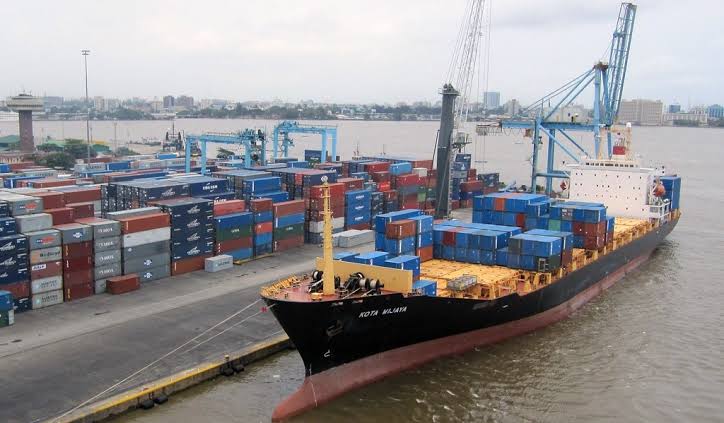
36 vessels expected at Lagos ports, NPA says
The NPA said the vessels are expected between August 10 and August 20.

Heading 2
Taiwan simulates drills, disrupts internet to prepare military for potential Chinese invasion
The simulation disrupted the internet for about 30 minutes leaving citizens digitally stranded to acquaint them with what to expect if China makes good on its threat.
States
UNESCO, Japan train Niger teachers, youths on flood mitigation
She said that the state was most affected due to its unique geographical characteristics.


