

Economic growth in Sub-Saharan Africa to drop to 3.6%: IMF
Amid a global slowdown, growth in Sub-Saharan Africa (SSA) is expected to reduce to 3.6 per cent before rebounding to 4.2 per cent in 2024.
This is according to the latest International Monetary Fund (IMF) Regional Economic Outlook for SSA: “The Big Funding Squeeze” published on Friday at the World Bank Group/IMF 2023 Spring Meetings in Washington DC.
The report said the slowdown and subsequent rebound in 2024 in the region was in line with global recovery, subsiding inflation, and a winding down in monetary policy tightening.
According to the report, this will be the second consecutive year that SSA records a lower rate of growth than the previous year.
Abebe Selassie, Director, IMF’s African Department, while speaking at the media briefing on the SSA Regional Economic Outlook, said growth across the region varied from country to country.
Mr Selassie said some countries, particularly those in the East African Community, or non-oil resource-intensive countries, were expected to fare better.
“However, some major economies bring down the average SSA growth rate, like South Africa where growth is projected to decelerate sharply to only 0.1 per cent in 2023.”
He said the report showed that public debt and inflation were at levels not seen in decades, with double-digit inflation present in half of the countries.
Mr Selassie said this had eroded household purchasing power and struck at the most vulnerable.
“The rapid tightening of global monetary policy has raised borrowing costs for SSA
countries both on domestic and international markets.
“All Sub-Saharan African frontier markets have been cut off from market access since spring 2022.”
He said the U.S. dollar effective exchange rate reached a 20-year high last year, increasing the burden of dollar-denominated debt service payments.
Mr Selassie said interest payments as a share of revenue had doubled for the average SSA country over the past decade.
“With shrinking aid budgets and reduced inflows from partners, this is leading to a big funding squeeze for the region.”
He said people in SSA were feeling the effects of a funding crisis.
Mr Selassie said since Russia’s invasion of Ukraine, the cost of living was more expensive, borrowing costs had increased, and access to cheaper funding was dwindling.
“This is coupled with a long-term decline in aid and a more recent fall in investment from partners.
“This means that there is less money to be spent on vital services like health, education, and infrastructure.
“If measures are not taken, this funding squeeze will hamper Sub-Saharan
efforts to build a skilled and educated population and to be the driving force of the global economy in years to come.”
He said the IMF was playing its part and continued to stand ready to support its members.
Mr Selassie said between 2020 and 2022, the IMF provided more than 50 billion dollars through programmes, emergency financing, and Special Drawing Rights allocation.
“In just two years, the IMF provided more than twice the amount disbursed in any 10-year period since the 1990s.
“As of last month, we had lending arrangements with 21 countries, with more programme requests under consideration.”
Mr Selassie said SSA was far from powerless, and to address macroeconomic imbalances, four policies could help navigate the current turmoil.
“First, it is important to consolidate public finances and strengthen public financial
management amid difficult funding conditions.
“Second is containing inflation. Monetary policy should be steered cautiously until inflation is firmly on a downward trajectory and projected to return to the central bank’s target range.
“Third is allowing the exchange rate to adjust, while mitigating the adverse effects on the economy, including the rise in inflation and debt due to currency depreciations.
“Finally, ensuring that important efforts to tackle climate change do not crowd out basic
needs, like health and education.”
He said climate finance provided by the international community must come on top of current aid flows.
(NAN)

We have recently deactivated our website's comment provider in favour of other channels of distribution and commentary. We encourage you to join the conversation on our stories via our Facebook, Twitter and other social media pages.

More from Peoples Gazette

States
Independence: NBA urges Nigerians to expect better future
The NBA said that ordinary Nigerians should be deriving benefit from the subsidy removal rather than hardship.

Agriculture
FG tasks ECOWAS on leveraging financing strategies for agroecology
The federal government has urged stakeholders in the agriculture and finance sectors in the West Africa region to leverage financing strategies to enhance agroecology practices

Politics
Katsina youths pledge to deliver over 2 million votes to Atiku
“Katsina State is Atiku’s political base because it is his second home.”

Heading 2
Enugu secures $200 million solar investment to boost electricity supply
Mr Mbah pledged the state government’s support in removing institutional bottlenecks that could delay the project.
Heading 5
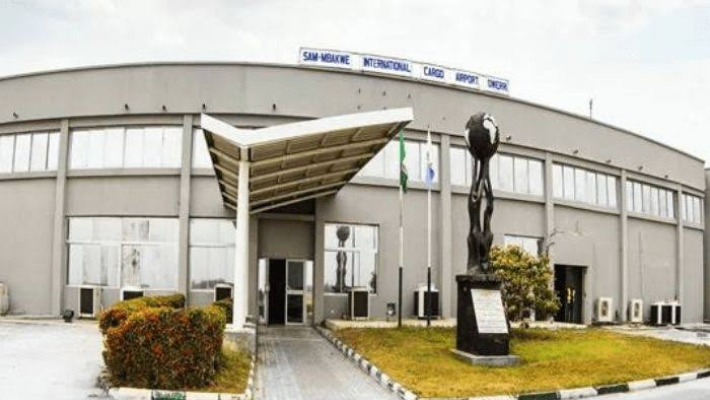
FAAN announces temporary closure of Owerri airport runway for repairs
According to Mr Agbebire, the closure was tentatively scheduled to last about 25 days.

States
Police nab three suspects over alleged murder of 65-year-old woman accused of witchcraft in Niger
The command’s spokesperson said the incident occurred on Saturday.

Health
Lassa Fever: Nigeria records 1,115 cases, 263 deaths in 24 states
The agency urged healthcare workers and the public to maintain appropriate preventive measures.
Heading 2
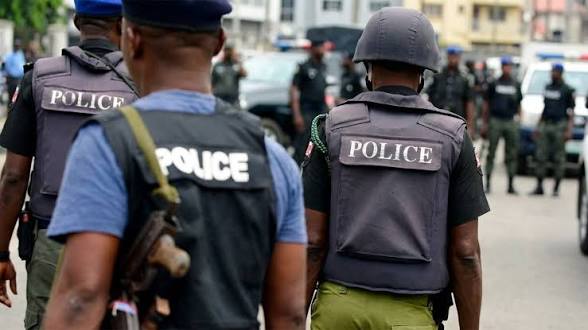
Police nab 47 suspects for thuggery, drug peddling in Kano
Mr Haruna-Kiyawa stated that large quantities of illicit substances and dangerous weapons were recovered from the suspects.
Heading 5
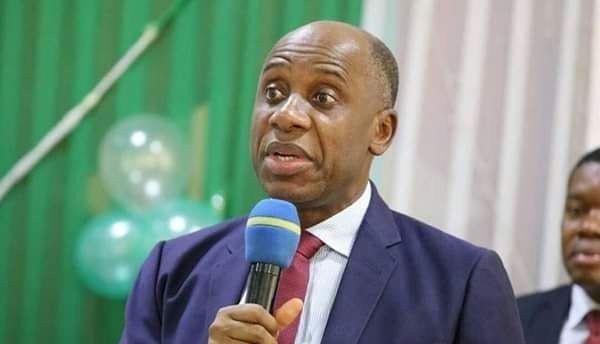
Number of votes Tinubu gets in 2027 will show number of mad people in Nigeria: Rotimi Amaechi
Mr Amaechi had recently blamed the economic hardship under Mr Tinubu for the deaths of many Nigerians, including his mother.


