

FG directs NBC to licence WhatsApp, Instagram, Facebook in Nigeria
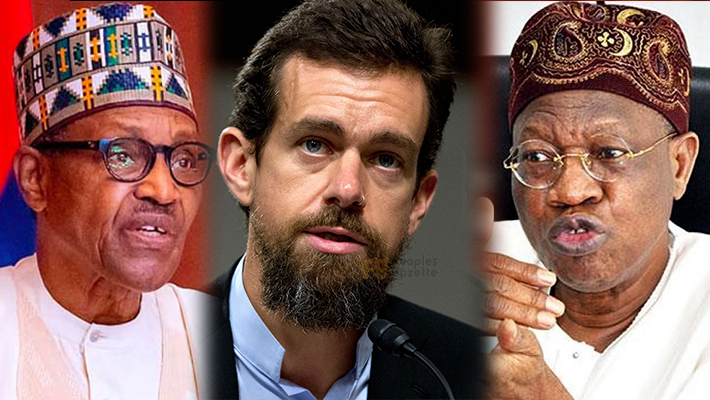
The Federal Government has directed that the National Broadcasting Commission (NBC) begin licensing social media apps such as WhatsApp, Instagram and Facebook.
This directive is contained in the statement issued by the Minister of Information and Culture, Lai Mohammed, which also includes the suspension of Twitter in Nigeria. The statement issued in Abuja on Friday, claims the social media platform is used persistently to undermine the country’s corporate existence.
The statement, signed by Segun Adeyemi, Mr Mohammed’s media aide, said that, “The Minister said the Federal Government has also directed the NBC to immediately commence the process of licensing all OTT and social media operations in Nigeria.”
This action comes after Twitter deleted both the video and the tweets where President Muhammadu Buhari threatened South-East civilians with violence similar to that of the Civil War as a response to the attack on the electoral body’s facilities in the region.
The tweets received backlash from Nigerians on the app, who reported en masse.
In the past, the Buhari-led administration has decried the use of Twitter, accusing the social media app of enabling its citizens to undermine its regime.
On Thursday, Mr Mohammed expressed doubts about Twitter’s mission in the country and accused the social media firm of double standards and supporting the secessionists in the country.
Activists deem the move by the federal government as ‘just another step to gag press freedom and the constitutionally protected freedom of expression.”
Twitter has evolved into an important social media platform for people globally, allowing the masses to speak out against injustice and other important issues. The social media site has seen many humanitarian causes and given birth to protests that went from the app to reality, such as #OccupyNigeria, #BringBackOurGirls and #EndSARS
Last year, at the height of the nationwide protest against police brutality, there were fears of a possible internet shutdown, or, at least of social media after Twitter aided in amplifying the #EndSARS movement. Websites associated to the protests such as Radioisiaq and the feminist coalition were shut down.
In 2019, while Nigerian lawmakers passed the Social Media Bill in its second hearing in record time, Mr Buhari refused to sign the Digital Rights Bill on the grounds that it “covers too many technical subjects and fails to address any of them extensively.”
The Digital Rights Bill set out to protect the rights of Nigerians on the Internet and ensured their safety and well being, in spite of the country’s vague data protection laws.

We have recently deactivated our website's comment provider in favour of other channels of distribution and commentary. We encourage you to join the conversation on our stories via our Facebook, Twitter and other social media pages.

More from Peoples Gazette

States
Independence: NBA urges Nigerians to expect better future
The NBA said that ordinary Nigerians should be deriving benefit from the subsidy removal rather than hardship.

Agriculture
FG tasks ECOWAS on leveraging financing strategies for agroecology
The federal government has urged stakeholders in the agriculture and finance sectors in the West Africa region to leverage financing strategies to enhance agroecology practices

Politics
Katsina youths pledge to deliver over 2 million votes to Atiku
“Katsina State is Atiku’s political base because it is his second home.”

World
Two killed, 11 hospitalised after woman drives into youth football match in U.S.
The Wichita Police Department confirmed that a 34-year-old woman was arrested at the scene.
Heading 2
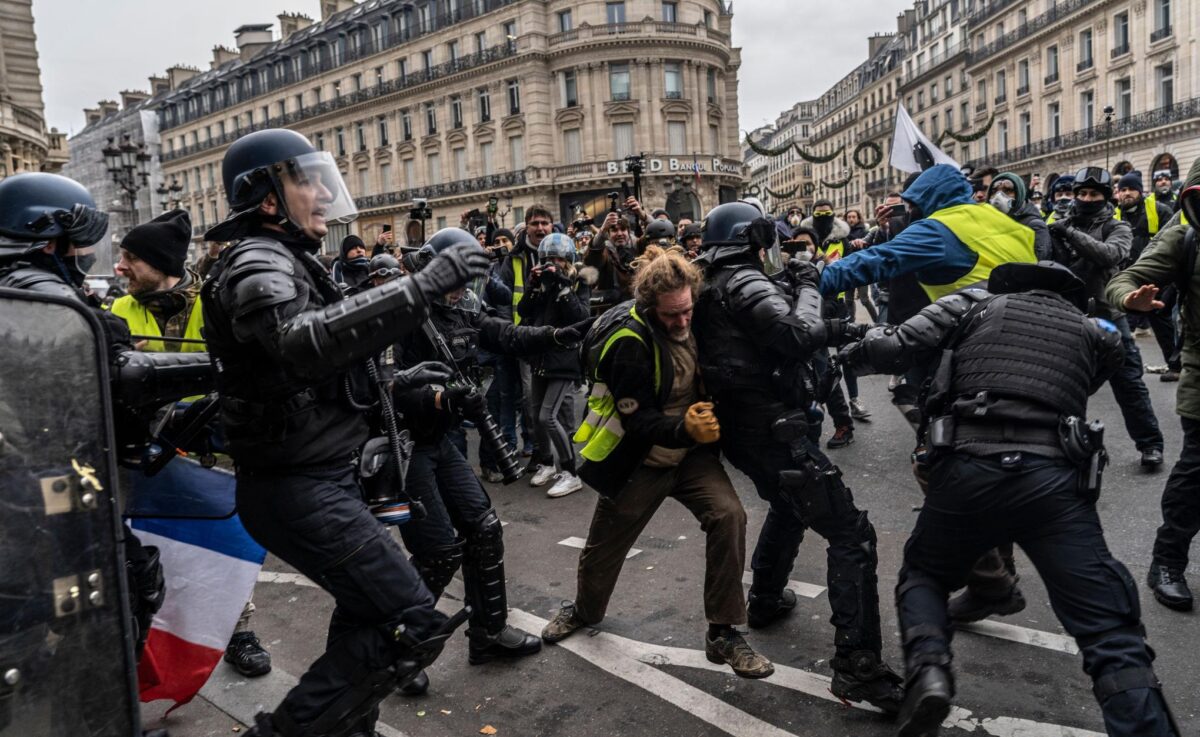
Violent protests rock France, about 300 arrested
According to reports, demonstrations by students began in the Paris suburbs in September
World
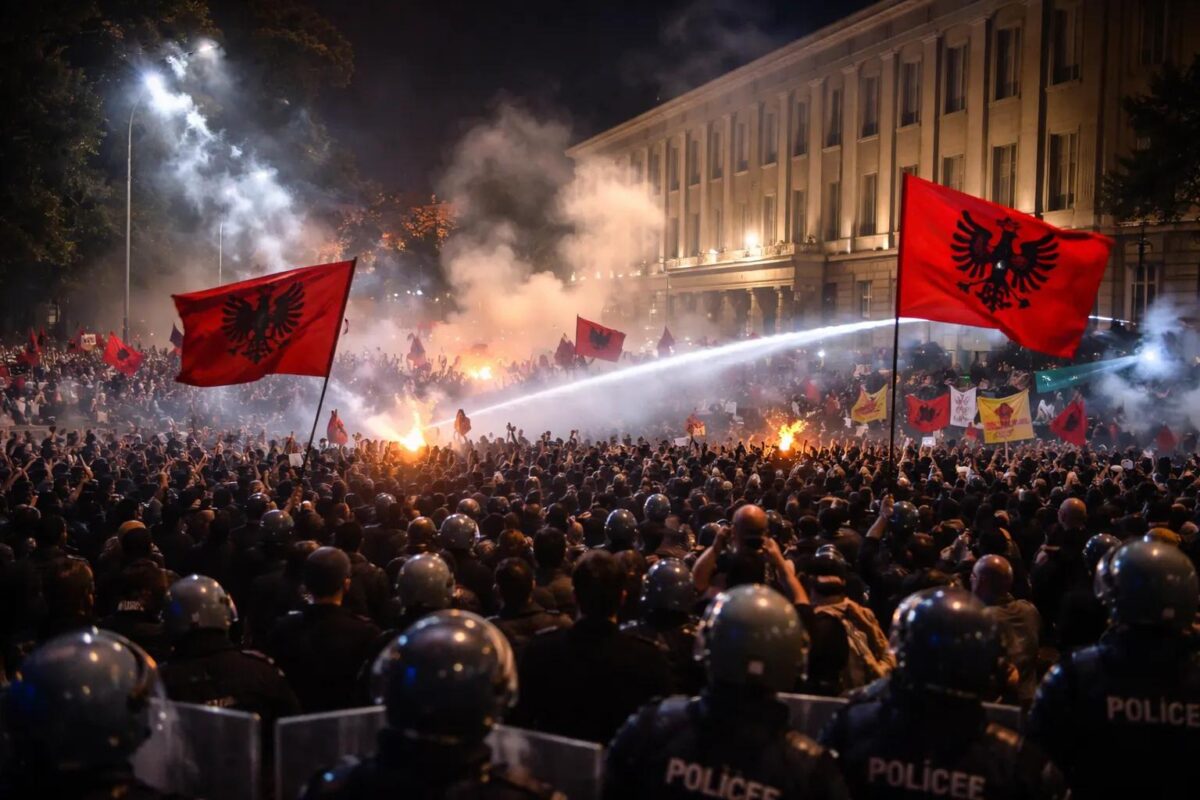
Protest rages in Albania as students demand resignation of prime minister
The state police director said 167 people had been arrested during the five days of protests.
NationWide
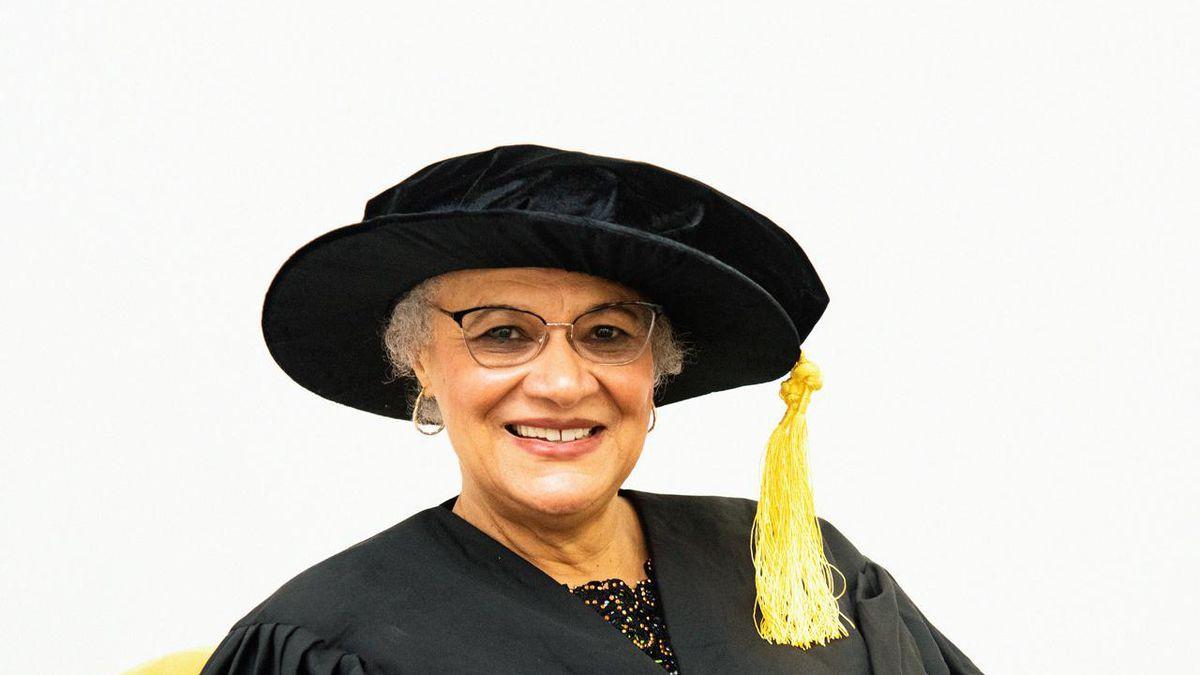
Corruption turning courtrooms to market stalls: Retired Justice Augie
She said lack of funding was another factor keeping jurists beholden to the executive arm of government.
Africa
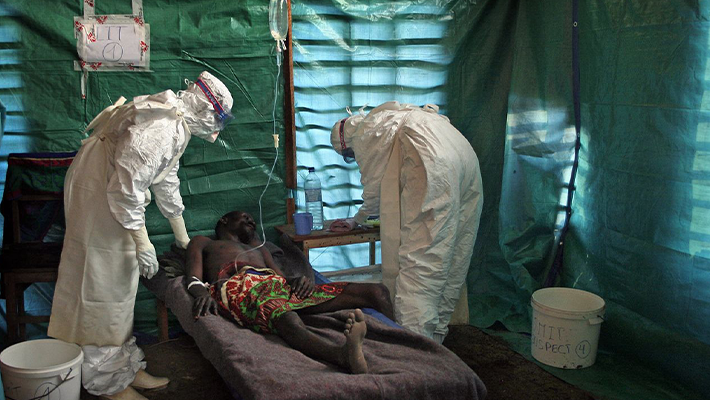
Kenya confirms four more Ebola cases
Three of the new cases were among health workers who treated the country’s first patient.

Economy
FG says Nigerians to feel benefits of economic reforms soon
Mr Fasua acknowledged that rising fuel prices continued to exert pressure on households.


