

FG exempts universities, other tertiary institutions from IPPIS
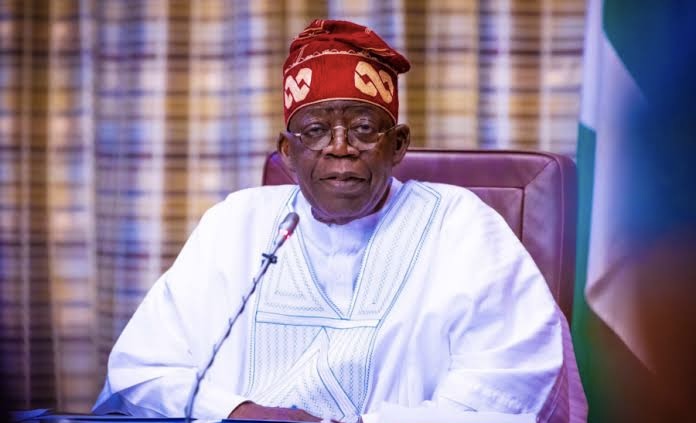
The federal government has approved the exemptions of universities, polytechnics, colleges of education, and other tertiary institutions of learning from the Integrated Payroll and Personnel Information System (IPPIS).
The minister of information and national orientation, Mohammed Idris, confirmed this on Wednesday while speaking to State House Correspondents at the State House, Abuja.
The disclosure comes days after the Academic Staff Union of Universities (ASUU) laid complaints about the difficulties they have faced since the establishment of IPPIS in October 2006, blaming it for the problems universities face in the country.
According to Mr Mohammed, the FG considered that IPPIS does not aid the efficient functioning of tertiary institutions and, with respect to that, has granted university authorities and other tertiary institutions the ability to pay their personnel from their own end instead of relying on IPPIS.
“Today, the universities and other tertiary institutions have received a very big relief from the Integrated Personnel Payroll and Information System. You will recall that university authorities and others have been clamouring to exempt universities and other tertiary institutions from this system,” the minister said.
The information minister, in his statement, asserted, “Today, the Council has graciously approved that. What that means is that going forward, the universities, as the Honourable Minister of Education has said, and other tertiary institutions, including polytechnics and colleges of education, will be taken off the IPPIS.”
Also, the minister of education, Tahir Mamman, clarified that the decision was made to ensure that tertiary institutions are properly managed, adding that “the president cannot understand why Vice-Chancellors should be leaving their duty post and running to Abuja to get staff enlisted on IPPIS when they get recruited.”

We have recently deactivated our website's comment provider in favour of other channels of distribution and commentary. We encourage you to join the conversation on our stories via our Facebook, Twitter and other social media pages.

More from Peoples Gazette

States
Independence: NBA urges Nigerians to expect better future
The NBA said that ordinary Nigerians should be deriving benefit from the subsidy removal rather than hardship.

Agriculture
FG tasks ECOWAS on leveraging financing strategies for agroecology
The federal government has urged stakeholders in the agriculture and finance sectors in the West Africa region to leverage financing strategies to enhance agroecology practices

Politics
Katsina youths pledge to deliver over 2 million votes to Atiku
“Katsina State is Atiku’s political base because it is his second home.”

Health
Kenyan authorities confirm eighth Ebola case as patient attendant tests positive
Mr Amoth added that 38 people were tested on Sunday, with one coming back positive for the Bundibugyo strain of Ebola.
States
Lagos assembly unveils 2026 Speaker’s Games
Deputy Speaker Mojisola Meranda described the games as a platform to foster wellness, teamwork, and closer ties among workers.

Economy
Nigeria’s capital importation hit $23 billion, reserves surpassed $50 billion: Minister
The minister added that foreign exchange reserves had risen from more than $40 billion to over $50 billion.

States
Police nab suspects over theft of N4.5 million armoured cable in Adamawa
Mr Nguroje added that the suspects were in police custody and would be charged in court once the investigation concluded.

States
NAF sustains recovery operation at crashed aircraft site in Igbokoda as water level drops
The Chief of Air Staff, Sunday Aneke, commended the dedication of all recovery personnel and partner agencies.
Health
Kwara doctors among least paid in Nigeria: NMA
The NMA chair raised concerns over manpower shortages, poor welfare, excessive workload and alleged unauthorised salary deductions.


