

Fifty-five million people in Nigeria, Ghana, others will struggle to eat from June to August: Report

Nearly 55 million people in West and Central Africa will struggle to feed themselves in the June-August 2024 lean season, according to the March 2024 Cadre Harmonisé food security analysis released by the Permanent Inter-State Committee for Drought Control in the Sahel.
This figure represents a four-million increase in food-insecure people compared to the November 2023 forecast and highlights a fourfold increase over the last five years.
The situation is particularly worrying in conflict-affected northern Mali, where an estimated 2,600 people are likely to experience catastrophic hunger (IPC/CH phase 5). The latest data also reveals a significant shift in the factors driving food insecurity in the region beyond recurring conflicts.
Economic challenges such as currency devaluations, soaring inflation, stagnating production, and trade barriers have worsened the food crisis, affecting ordinary people across the region.
Nigeria, Ghana, Sierra Leone, and Mali are among the worst affected.
Prices of major staple grains continue to rise across the region from 10 per cent to more than 100 per cent compared to the five-year average, driven by currency inflation, fuel and transport costs, ECOWAS sanctions, and restrictions on agropastoral product flows. Currency inflation is a major driver of price volatility in Ghana (23%), Nigeria (30%), Sierra Leone (54%), Liberia (10%), and The Gambia (16%).
West and Central Africa remain heavily dependent on imports to meet the population’s food needs. Still, import bills continue to rise due to currency depreciation and high inflation, even as countries struggle with major fiscal constraints and macroeconomic challenges.
Cereal production for the 2023-2024 agricultural season shows a deficit of 12 million tons, while the per capita availability of cereals is down by two per cent compared to the last agricultural season.
“The time to act is now. We need all partners to step up, engage, adopt and implement innovative programs to prevent the situation from getting out of control while ensuring no one is left behind,” said Margot Vandervelden, WFP’s acting regional director for Western Africa. “We need to invest more in resilience-building and longer-term solutions for the future of West Africa.”
Malnutrition in West and Central Africa is alarmingly high, with 16.7 million children under five acutely malnourished and more than two out of three households unable to afford healthy diets. In addition, 8 out of 10 children aged six to 23 months do not consume the minimum number of foods required for optimal growth and development.
High food prices, limited healthcare access, and inadequate diets primarily drive acute malnutrition in children under 5, adolescents, and pregnant women. In parts of northern Nigeria, the prevalence of acute malnutrition in women aged 15-49 years is as high as 31 per cent.
“For children in the region to reach their full potential, we need to ensure that each girl and boy receives good nutrition and care, lives in a healthy and safe environment, and is given the right learning opportunities,” said UNICEF Regional Director Gilles Fagninou. “Good nutrition in early life and childhood is the promise for a productive and educated workforce for tomorrow’s society. To make a lasting difference in children’s lives, we need to consider the situation of the child as a whole and strengthen education, health, water and sanitation, food, and social protection systems.”
In response to increasingly growing needs, FAO, UNICEF, and WFP call on national governments, international organisations, civil society, and the private sector to implement sustainable solutions that bolster food security, enhance agricultural productivity, and mitigate the adverse effects of economic volatility.
Governments and the private sector need to collaborate to ensure that the fundamental human right to food is upheld for all.
In Senegal, Mali, Mauritania, and Niger, millions of people have benefited from national social protection programs supported by UNICEF and WFP. Both agencies are expanding their support to the Chad and Burkina Faso governments.
Similarly, through resilience-building programmes, FAO, IFAD, and WFP have joined forces across the Sahel to increase productivity, availability, and access to nutritious food.

We have recently deactivated our website's comment provider in favour of other channels of distribution and commentary. We encourage you to join the conversation on our stories via our Facebook, Twitter and other social media pages.

More from Peoples Gazette

States
Independence: NBA urges Nigerians to expect better future
The NBA said that ordinary Nigerians should be deriving benefit from the subsidy removal rather than hardship.

Agriculture
FG tasks ECOWAS on leveraging financing strategies for agroecology
The federal government has urged stakeholders in the agriculture and finance sectors in the West Africa region to leverage financing strategies to enhance agroecology practices

Politics
Katsina youths pledge to deliver over 2 million votes to Atiku
“Katsina State is Atiku’s political base because it is his second home.”

NationWide
Obasanjo, Jonathan, Gowon mourn, pay tributes to ex-Aso Villa chaplain William Okoye
“Nigeria will miss you. Your family will miss you. The church will miss you. You stood for integrity,” Mr Jonathan said.

States
Navy uncovers Rivers’ illegal refining site, dismantles three storage tanks
Mr Folorunsho said the site was discovered on September 30, following credible intelligence.

Heading 3
You’ve justified my confidence in you, Tinubu hails EFCC for anti-graft efforts
Mr Olukoyede reaffirmed the commission’s commitment to preventive frameworks in tackling corruption in the country.

Showbiz
Nollywood actress Chioma Chukwuka-Akpotha loses father
“No matter how many years we are given with a parent, we still want one more conversation, one more embrace, one more day,” she said.
Africa
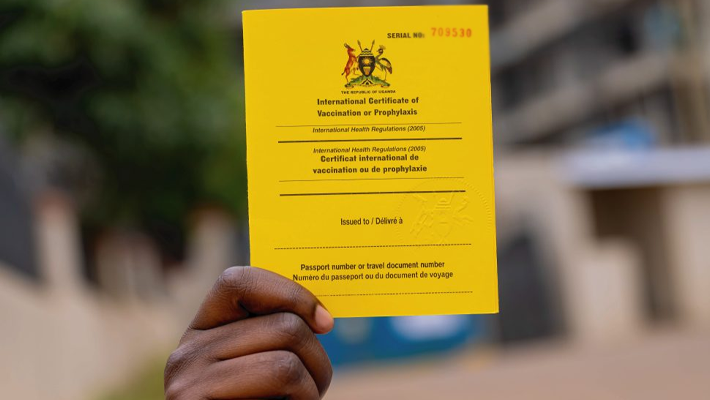
Uganda ends yellow fever entry requirement for travellers
The statement noted that the yellow fever vaccination certificate was not listed among the requirements on Uganda’s e-visa application portal.

States
2027: Tinubu’s Door-to-Door group launches campaign vehicles, posters in Yobe
The group distributed the vehicles and campaign materials at the 27th August Stadium in Damaturu.


