

Internal documents showed Shell prioritised production despite environmental damage in Niger Delta: Report

Shell Petroleum Development Company of Nigeria Limited continued production despite being aware of the environmental risks associated with devastating oil spills in communities across the Niger Delta, according to internal documents disclosed in ongoing legal proceedings.
According to a statement by the Human and Environmental Development Agenda (HEDA) and Hawkmoth, the documents—correspondence, internal memos, presentations, and reports—exposed the company’s handling of environmental risks in the oil-rich region.
The documents indicated that top management was aware of hundreds of illegal pipeline connections between 2008 and 2013, but continued production because the company worried that addressing them would disrupt its output.
Instead, it worked with public relations firms to counter criticism of its operations and portray the company as a victim of oil theft.
SPDC’s then-parent company, Royal Dutch Shell—now Shell Plc—was reportedly aware of the environmental damage and issued directives to its Nigerian subsidiary on how to respond to the spills.
The documents also showed Shell Plc executives’ involvement in SPDC’s operations, even though the company’s counsel in the ongoing court case argued that Shell had no such control.
Emails cited showed that Shell Plc’s management of oil leaks in Nigeria differed from that in other parts of the world and that top management officials led a project on managing oil thefts in SPDC’s pipeline.
Minutes of the meeting revealed that “this project has defined new operating envelopes which determine when and when not SPDC can continue its oil operations in the face of heavy oil theft”.
Senior managers debated whether operations at SPDC should continue despite awareness that further environmental damage could occur. Subsidiary staff raised concerns about an audit of SPDC’s assets, warning that it could produce “unacceptable” findings and expose the company to compensation claims from the government and local communities.
The documents also outlined scenarios in which production continued while repairs were underway and suggested that this would be “less principled and harder to defend in the court of public opinion” and that SPDC could be considered “knowingly polluting” the environment.
They cited an instance in which Shell’s then regional executive vice-president, Ann Pickard, criticised a subordinate who questioned her decision not to shut down a pipeline for repairs. Ms Pickard approved SPDC’s continued operations despite the urgent risks posed by oil spills and leaks, according to the documents.
Internal correspondence also showed that the Nigerian subsidiary was allowed to operate outside of its parent company’s health, safety, and environment standards. The documents further indicated that Ms Pickard marked the internal memos relating to the decision as “legally privileged”.
Shell Plc’s then-secretary, Michiel Brandjes, said in a 2016 witness statement that “Royal Dutch Shell is a holding company, not an operating company”, and “neither (RDS’s) board nor its executives ever intended to or acted in a manner which would suggest RDS has assumed responsibility” for matters at the operating company level.
He insisted the parent company had no operational “control over (health, safety, security, and environment) practices of SPDC’s operations in Nigeria.”
SPDC spokesperson Gladys Afam-Anadu did not immediately respond to Peoples Gazette’s request for comments on the findings.
Decades-long criticism of Shell over oil pollution
Over the years, the oil company has faced criticism for devastating oil pollution and allegations of negligence following the damage to homes and fishing livelihoods in the Niger Delta communities since 1958. Locals have consistently blamed SPDC for negligence, but the company attributed oil spills to pipeline sabotage. This has resulted in a series of litigations.
After a UK court ruling allowing the oil giant to be sued, locals from affected communities filed lawsuits seeking compensation. Notably, the Bille and Ogale communities in Rivers State have filed separate lawsuits against Shell in UK courts. The cases are ongoing.
Last year, members of Fossil Free, a UK-based group advocating for cleaner energy, accused Shell of destroying the Niger Delta due to its oil exploration activities. The protest coincided with a hearing at the Royal Court of Justice involving the Bille and Ogale communities vs Shell.
According to the Ogale community leader, Godwin Okpaaid, Shell Corporation would rather spend millions of dollars hiring the best lawyers than make water clean and safe to drink for residents.
Documents exposing Shell’s activities were revealed after HEDA and Hawkmoth identified them during legal proceedings and requested their release.
HEDA’s chair, Olanrewaju Suraju, said the documents confirmed that the oil giant “knowingly misled” host communities and courts.
“For ten years, they hid behind legal fiction, and now their own emails and internal documents prove it: they knew environmental damage would occur, and they chose to keep polluting,” Mr Suraju explained. “Every day Shell escapes accountability is another day our people pay with their health, their land, and their lives. Divestment from onshore operations is not an excuse to abdicate liabilities with these revelations.”

We have recently deactivated our website's comment provider in favour of other channels of distribution and commentary. We encourage you to join the conversation on our stories via our Facebook, Twitter and other social media pages.

More from Peoples Gazette

States
Independence: NBA urges Nigerians to expect better future
The NBA said that ordinary Nigerians should be deriving benefit from the subsidy removal rather than hardship.

Agriculture
FG tasks ECOWAS on leveraging financing strategies for agroecology
The federal government has urged stakeholders in the agriculture and finance sectors in the West Africa region to leverage financing strategies to enhance agroecology practices

Politics
Katsina youths pledge to deliver over 2 million votes to Atiku
“Katsina State is Atiku’s political base because it is his second home.”
NationWide
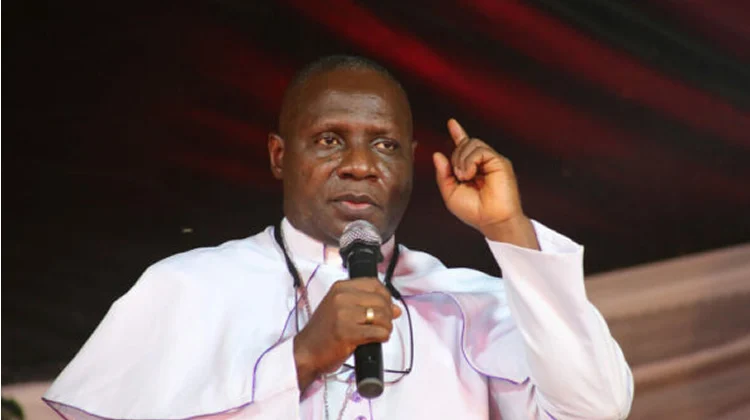
CAN@50: Okoh urges churches to uphold justice, democracy, religious freedom
Mr Okoh compared the Church’s responsibility to that of the biblical watchman in Ezekiel 33.

States
Nasarawa captures 1.9 million vulnerable residents in social register
The commissioner assured Nasarawa residents of the government’s commitment to their welfare.
States
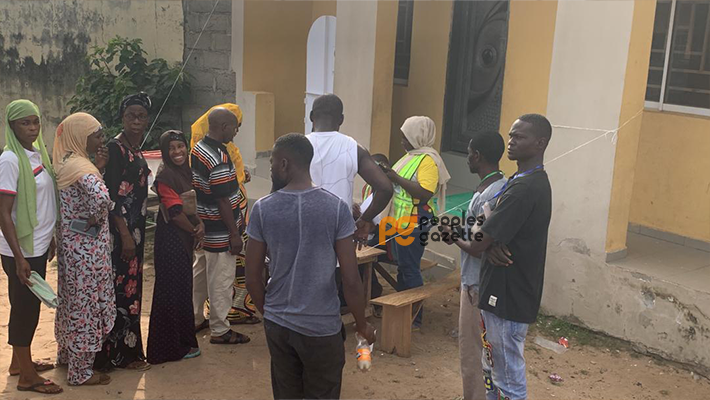
Kogi LG Polls: KOSIEC chairman, observers express satisfaction with voter turnout
The chairman assured voters of the commission’s neutrality.

States
Zulum seeks stronger military operations around Lake Chad
Mr Zulum stressed that military clearance operations must be followed by effective stabilisation measures.
Africa
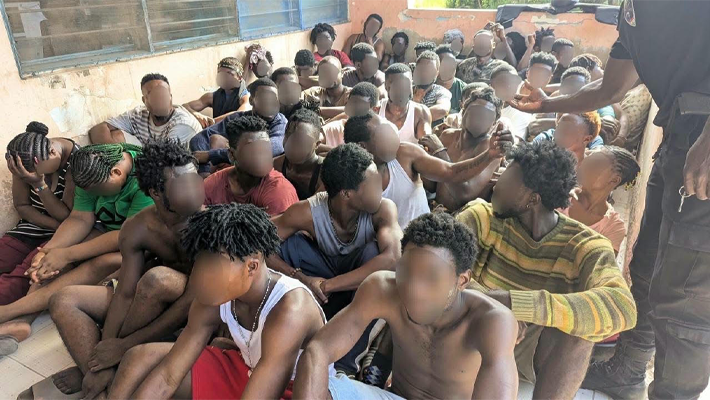
Police arrest 41 suspects over alleged drug activities in Ghana
The police said the suspects were arrested on Thursday during raids on targeted locations.

States
Health workers’ strike disrupts services at Katsina public hospitals
The Assembly of Health Professionals embarked on a one-week warning strike.


