

Lack of cattle traceability affecting export opportunities: Butchers

The chairman of Lagos State Butchers Association, Bamidele Alabi, says the lack of traceability of cattle being produced and consumed in the country is responsible for the nation’s red meat not being acceptable for export.
In an interview on Sunday in Lagos, Mr Alabi said the lack of history and background of cattle had been a major challenge confronting the red meat value chain.
Mr Alabi noted that most of the cattle slaughtered in the country comes from neighbouring countries Burkina Faso, Niger, Chad, and Cameroon.
He said that with the new proposed feedlot system by the Lagos State Government in Igbodu, Epe, the challenges would be addressed.
“But now, this initiative will encourage us too to have more and produce more to join what is already on ground.
“It is not that we can not meet our meat demand in Lagos state; we kill almost 3,000 herds of cattle daily, and by that, we get all the cattle from neighbouring states and countries.
“Now that the Lagos State Government says it wants us to have ranches and they have made land available, about 750 hectares of land will greatly impact the quality of meat we produce.
“We members of the Lagos State butchers association bought 50 hectares of land to rear our own cattle on the ranch,” he said.
Mr Alabi noted that cattle rearing would not be in the nomadic system, which was the norm before now.
He added that herders would now use the real international standard.
“We believe that the feedlot will improve the quality of meat being sold to the public because it is going to be reared and produced under a well-managed process.
“We believe that with this new system, we will give Lagos residents healthy cows that are even healthier than what we have now,” Mr Alabi assured.
(NAN)

We have recently deactivated our website's comment provider in favour of other channels of distribution and commentary. We encourage you to join the conversation on our stories via our Facebook, Twitter and other social media pages.

More from Peoples Gazette

States
Independence: NBA urges Nigerians to expect better future
The NBA said that ordinary Nigerians should be deriving benefit from the subsidy removal rather than hardship.

Agriculture
FG tasks ECOWAS on leveraging financing strategies for agroecology
The federal government has urged stakeholders in the agriculture and finance sectors in the West Africa region to leverage financing strategies to enhance agroecology practices

Politics
Katsina youths pledge to deliver over 2 million votes to Atiku
“Katsina State is Atiku’s political base because it is his second home.”
States
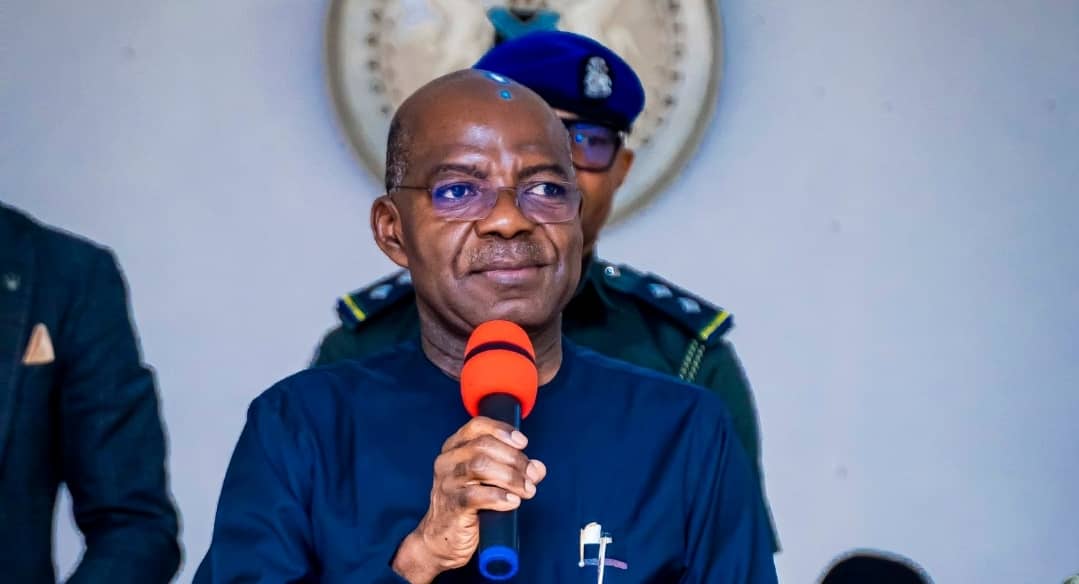
Otti advises Abia residents to reject election-season politicians’ promises
The bishop thanked God for giving Abia the opportunity to be governed by Mr Otti.

Heading 3
NiMet predicts three-day rain, sunshine nationwide from Monday
The agency also predicted cloudy skies with intervals of sunshine across the southern region.
States
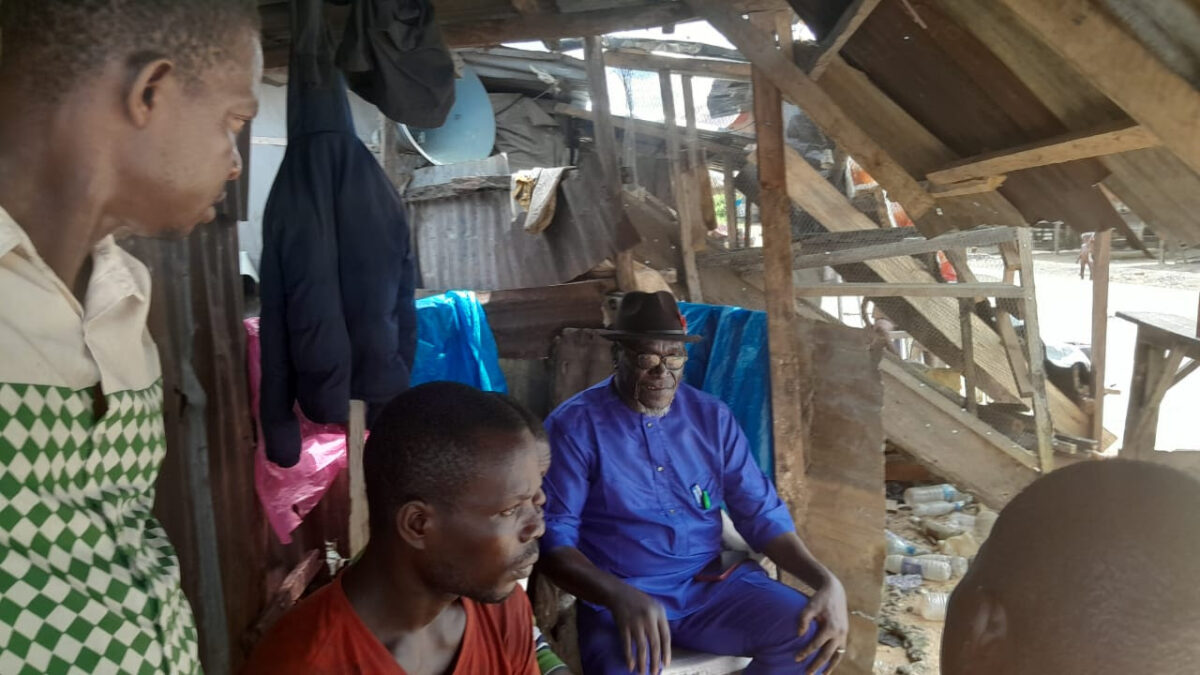
Environmentalists seek probe into Bayelsa, Rivers tremors
A fruit seller, Benita Douglas, said the vibration broke another trader’s table.

States
Coalition urges investment in girls’ education to end child marriage
Mr Ibn-Attahir said keeping girls in school was essential to ending child marriage.

Hot news Home top
FG condemns Houthi attack on Saudi Arabia’s airport, urges restraint
The ministry stressed the need to respect Saudi Arabia’s sovereignty and territorial integrity.

States
PDP governorship candidate vows free shops for traders affected by Enugu market demolition
Mr Nnaji described trading as an integral part of the people’s economic and social life.


