

Lagos reiterates commitment to sustainable waste management

The Lagos State government has restated its commitment to advancing sustainable waste management through technology, recycling and public education.
Muyiwa Gbadegesin, managing director/CEO of the Lagos Waste Management Authority (LAWMA), disclosed this at the annual lecture and awards of the Property and Environment Writers Association of Nigeria (PEWAN) on Wednesday in Lagos.
One of the themes of the event was “The Place of Waste Management in Relation to the Lagos State Government’s THEMES+ Agenda.”
The other theme is: “Air Quality Management in a Megacity like Lagos, Challenges and Policy Framework.”
Mr Gbadegesin said that waste management was central to the THEMES+ Agenda of Gov. Babajide Sanwo-Olu’s administration.
He highlighted the economic opportunities in Lagos’ waste sector, stressing that waste separation at source could unlock billions of naira in value, while creating jobs.
“Waste is not a burden, it is value. Lagos generates about 13,000 tons of waste daily, of which 50 per cent is organic.
“This can be converted into compost, bio-methane for cooking gas, or even animal feed,” Mr Gbadegesin said.
He said that the government had made progress on the Olusosun and Solous Transfer Loading Stations and Material Recovery Facilities, which would replace legacy dumpsites with modern recycling and resource recovery infrastructure.
According to him, the Olusosun dumpsite is to be decommissioned within 18 months, with plans to convert the reclaimed land into recreational use.
To improve efficiency, Mr Gbadegesin said LAWMA was rolling out smart bins equipped with RFID technology, enabling real-time monitoring of waste collection and ensuring accountability by operators.
He disclosed that advanced clean-energy compactor trucks and improved billing systems would also be introduced by 2026.
Also speaking at the event, Tunji Ajayi, general manager, Lagos State Environmental Protection Agency (LASEPA), reaffirmed its commitment to environmental protection, waste management and air quality monitoring.
Ajayi spoke on the need to safeguard the state’s environment through effective waste management, air and water quality monitoring and continuous public advocacy.
“One-third of Lagos is made up of water, which means effluent discharged into our waterways must be strictly monitored to protect aquatic ecosystems.
“LASEPA ensures that industrial discharges are curtailed and air emissions are properly managed, while also driving advocacy to educate residents on sustainable waste disposal practices,” he said.
He explained that LASEPA’s operations extended to every part of the state, including underserved and remote communities.
“There is no part of Lagos we do not cover. We maintain offices in every local government area, ensuring that residents, no matter where they live, can access LASEPA staff for guidance and solutions to environmental concerns,” he noted.
On air quality management, Mr Ajayi explained that the agency adopted the World Health Organisation’s (WHO) standards for monitoring and reporting.
“Our live air quality monitoring data is available on our website. Residents can check the status of their areas in real time, whether it is safe (green), moderate (yellow), or harmful (orange/red).
“Later this year, LASEPA will publish the Lagos Clean Air Report, which will outline the state’s adopted standards and provide a comprehensive update on air quality across Lagos,” he added.
Earlier, the chairman of the occasion, Toyin Ayinde, former Lagos commissioner for physical planning and urban development, stressed that waste management began with information and mindset change.
“The three Rs – Reduce, Reuse, Recycle—are not just slogans but actions that must become part of our daily lives.
“Advocacy and education are essential to ensure residents see waste as a resource, not just garbage,” he said.
The event brought together environmental professionals, government officials and PEWAN members.
They also discussed strategies to address the challenges of rapid urbanisation, informal settlements, and inadequate waste sorting culture.
(NAN)

We have recently deactivated our website's comment provider in favour of other channels of distribution and commentary. We encourage you to join the conversation on our stories via our Facebook, Twitter and other social media pages.

More from Peoples Gazette

States
Independence: NBA urges Nigerians to expect better future
The NBA said that ordinary Nigerians should be deriving benefit from the subsidy removal rather than hardship.

Agriculture
FG tasks ECOWAS on leveraging financing strategies for agroecology
The federal government has urged stakeholders in the agriculture and finance sectors in the West Africa region to leverage financing strategies to enhance agroecology practices

Politics
Katsina youths pledge to deliver over 2 million votes to Atiku
“Katsina State is Atiku’s political base because it is his second home.”
Economy
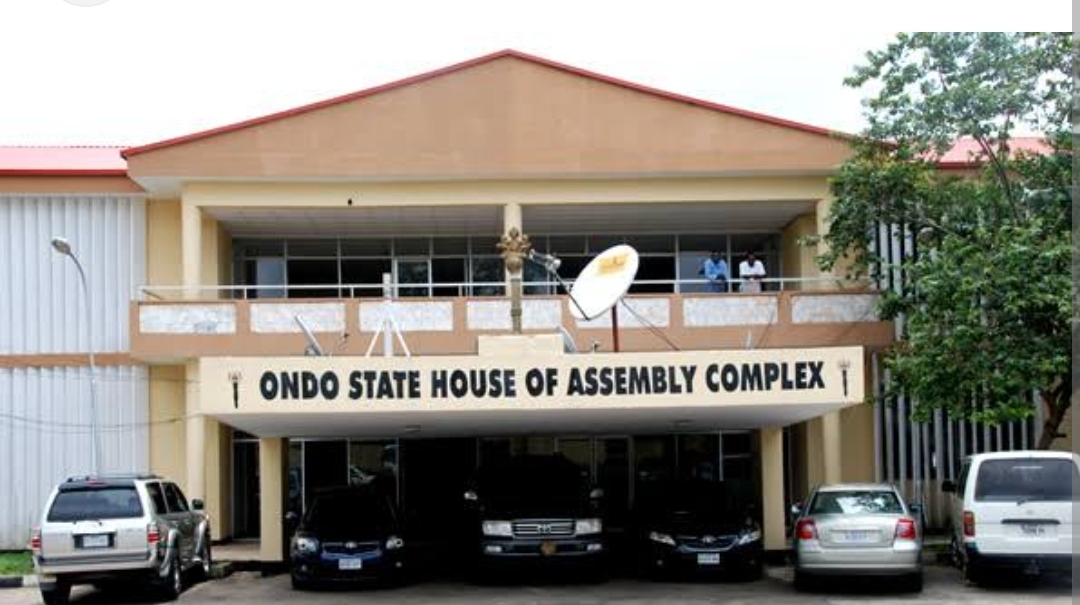
Ondo assembly seeks faster C of O processing to boost investment
The committee’s chairman, Abiola Oladapo, said efficient land administration was critical to creating an enabling environment for businesses.

Heading 4
Minister calls for greater involvement of oncology nurses in cancer care
The minister said cancer’s complexity made multidisciplinary collaboration essential.

Education
NOUN matriculates 70 inmates in Enugu custodial centre
Mr Nwakuche said the NCoS was committed to using education as an instrument for reformation.
Agriculture
Gombe inaugurates state-wide livestock vaccination campaign
Mr Yahaya said the exercise was aimed at protecting animal health.
NationWide
Asaba Massacre: Obasanjo urges forgiveness, reconciliation
He described the massacre as one of the most painful and terrible aspects of the Nigerian Civil War.

World
FBI nabs ISIS-linked Sheikhdoon Mohamud for plottting terrorist attack on Mall of America
He was arrested after buying an AK-47-style rifle, magazines and ammunition from an undercover FBI agent.


