

NERC wants FG to include ‘regulatory economics’ in university curriculum

Dafe Akpeneye, the commissioner for legal licensing and compliance at the Nigerian Electricity Regulatory Commission (NERC), advocated the introduction of ‘Regulatory Economics’ as a course in Nigerian universities on Thursday.
Mr Akpeneye said this would help build local power sector capacity. He said this during the 14th PwC Annual Power and Utilities Roundtable Conference with the theme ‘The Electricity Act 2023, Powering Nigeria in Lagos’.
The commissioner said laws that could handle a power sector transaction, end-to-end, with skill and capacity building were few.
“So, we need to build local capacity along the lines of everything we do in the sector. No university in Nigeria teaches regulatory economics. What we do in the sector is regulatory economics. So, we need to start building our local capacity towards doing these things locally,” he said.
Mr Akpeneye also noted that Nigeria had no dedicated funding institution mainly for developing the power sector. He cited India as a case study of a dedicated power bank established and responsible for funding and issues regarding the power sector in that country.
“So, our sector, being a critical sector to the country, needs to have a dedicated institution to fund the needs of the sector, both short- and long-term goals. We also need to create an environment where investment can come in and mature,” the NERC commissioner said.
Mr Akpeneye said it was important to have an all-encompassing law ensuring coordination and robust relationships among stakeholders.
The commissioner for energy and mineral resources in Ondo, Razaq Obe, said that workable modules should be designed for easy adoption by the states.
“We can not just have all manner of models everywhere; it must be created in such a way that if it works, it will work in Ondo, Kaduna and other states. Perhaps, if for some specific reasons, there will be any change to it, it will be tailored across all the states because you can not grow an economy if your power consumption is low,” said Mr Obe.
(NAN)

We have recently deactivated our website's comment provider in favour of other channels of distribution and commentary. We encourage you to join the conversation on our stories via our Facebook, Twitter and other social media pages.

More from Peoples Gazette

Agriculture
FG tasks ECOWAS on leveraging financing strategies for agroecology
The federal government has urged stakeholders in the agriculture and finance sectors in the West Africa region to leverage financing strategies to enhance agroecology practices

Politics
Katsina youths pledge to deliver over 2 million votes to Atiku
“Katsina State is Atiku’s political base because it is his second home.”
Agriculture
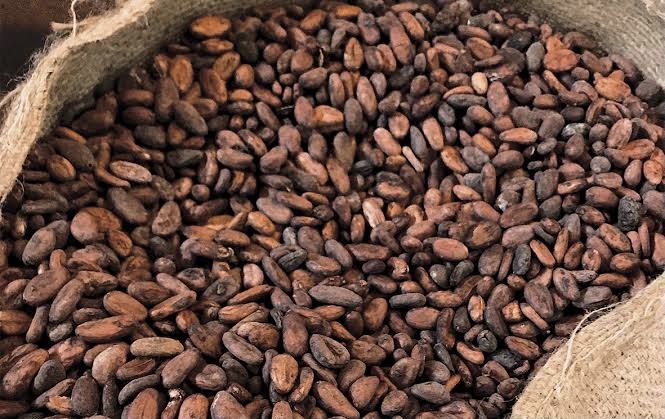
Tinubu seeks end to Africa’s raw cocoa export era
Mr Tinubu said investors were developing a 70,000-tonne cocoa processing facility in Sagamu, Ogun State.
World
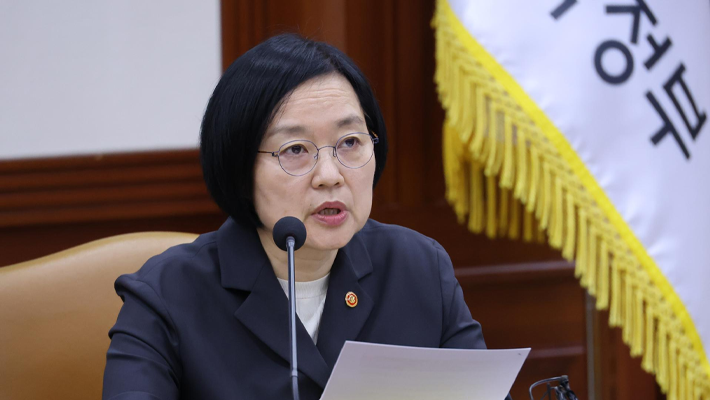
South Korea targets world’s top five exporters
She said the government would pursue measures aimed at sustaining export growth through product diversification and expansion into new markets.

States
Election violence major threat to peaceful democratic transitions: NOA DG
Mr Issa-Onilu said no political ambition was worth the loss of human lives.

Africa
Senegal prioritises seed production to boost food sovereignty
Senegal inaugurated a 10-year national seed self-sufficiency programme in 2025.
States
Kano urges residents to support waste management for cleaner city
The managing director appealed to residents, business owners, community leaders and other stakeholders to support the board.

Africa
Togo inaugurates free mosquito net campaign against malaria
Official figures show that Togo recorded more than 2.1 million malaria cases and 993 deaths in 2024.


