

Niger-Delta oil no longer suitable for our business: Shell CEO Van Beurden

Multinational oil giant Shell has revealed its intention to withdraw from Nigeria’s onshore oil sector.
Making this known at Shell’s annual general meeting on Tuesday, the CEO, Van Beurden, said his organisation was in talks with the Nigerian government to work out how to exit its onshore licenses.
Mr Beurden explained that Niger Delta oil is no longer suitable for its business, adding that the incessant cases of oil theft and sabotage and spillage don’t fit with the organisation’s risk appetite.
“The balance of risks and rewards associated with our onshore portfolio is no longer compatible with our strategic ambitions,” Mr Beurden said. “We cannot solve community problems in the Niger Delta.”
He further disclosed that Shell proposed disengagement from Nigeria’s onshore sector will not affect its offshore operations, adding that the organisation is still very much interested in exploring the country’s deep water and natural gas.
Shell, had in the cause of its onshore operations in Nigeria, encountered numerous problems ranging from oil theft and pipeline sabotage, as well as lawsuits instituted by local communities over oil spills.
In February, Mr Buren while decrying the increasing sabotage and theft of oil in Nigeria disclosed that the multinational giant was considering sales of its onshore assets in Nigeria.
He said that growing cases of theft and sabotage in the Niger-Delta region could force the organisation to reconsider its onshore operations in Nigeria.
Last week, Peoples Gazette reported how Bayelsa and Rivers Communities along the 14-inch crude trunk line operated by Shell in the Niger Delta region suffered spillage in April as 276 barrels of crude oil pervaded their soils and water in three incidents.
Also in April, The Gazette reported two different cases of oil spillage in Bayelsa communities.
These spillages have continued to negatively affect the region’s environment, decreasing its agricultural productivity due to farmland degradation, and causing pollution of traditional fishing grounds and destruction of aquatic life.
In January, a Dutch court ordered the multinational oil giant to pay compensation in a case brought by four Nigerian farmers thirteen years ago, accusing the company of polluting their land.
The appeal court in The Hague ruled that Shell’s Nigerian subsidiary will pay for the damage wrought in the Niger Delta by its oil spills.
However, Shell has introduced Net-Zero plans to address the environmental issues caused by its operations.
The Net Zero plan seeks to end carbon dioxide emissions by 2050.

We have recently deactivated our website's comment provider in favour of other channels of distribution and commentary. We encourage you to join the conversation on our stories via our Facebook, Twitter and other social media pages.

More from Peoples Gazette

States
Independence: NBA urges Nigerians to expect better future
The NBA said that ordinary Nigerians should be deriving benefit from the subsidy removal rather than hardship.

Agriculture
FG tasks ECOWAS on leveraging financing strategies for agroecology
The federal government has urged stakeholders in the agriculture and finance sectors in the West Africa region to leverage financing strategies to enhance agroecology practices

Politics
Katsina youths pledge to deliver over 2 million votes to Atiku
“Katsina State is Atiku’s political base because it is his second home.”
Heading 1
Tinubu cajoling Nigerians with money, luxury cars after ruining economy, stealing public funds, ADC alleges
The party said President Bola Tinubu has failed Nigerians.

NationWide
Court rejects IG’s bench warrant request against journalist Fisayo Soyombo in Orelope-Adefulire’s cyberstalking suit
The judge noted that since the journalist had not been brought before the court previously, issuing a bench warrant was impossible.
Africa
Kenya discharges last Ebola patient, begins 42-day countdown to end outbreak
Kenya confirmed its first case of Bundibugyo virus disease on October 6, 2026.
Health
WHO identifies critical gaps in Africa’s health information systems
The World Health Organisation has revealed critical gaps in Africa’s health information systems.
Heading 2
Uba Sani eulogies deputy’s late father at three-day prayer
Mr Sani stated, “His death will affect not only his immediate family but all of us who have come to regard him as our father.”
World
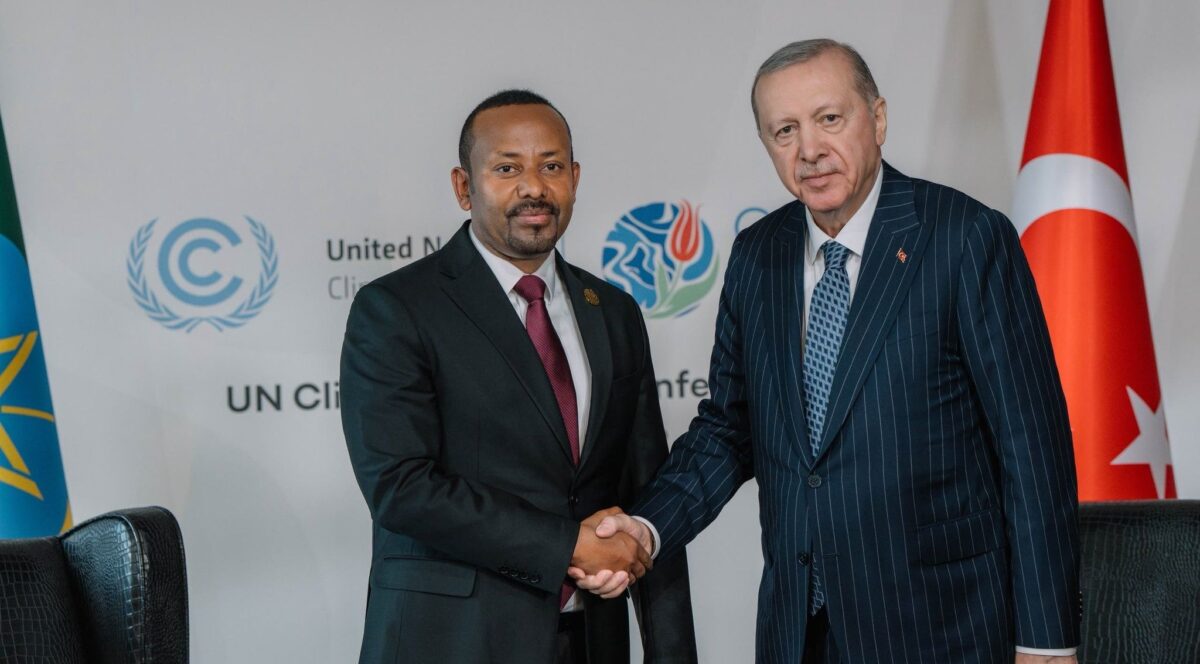
Ethiopian, Turkish presidents explore ways to strengthen bilateral ties ahead of COP32
The leaders explored ways to deepen cooperation between their countries, building on their existing partnership and shared priorities.


