

Nigeria, others need $40 billion annually for energy transition: Osinbajo
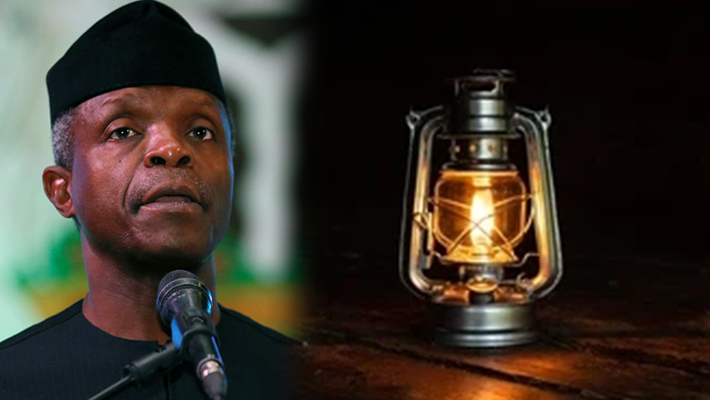
Vice President Yemi Osinbajo says Sub-Saharan African will require an annual investment of $40 billion to implement a robust energy transition plan.
Mr Osinbajo stated this in his keynote speech at the virtual 7th Annual New York-based Columbia University Global Energy Summit organised by the Columbia Centre on Global Energy Policy.
Laolu Akande disclosed this in a statement on Tuesday in Abuja.
“Therefore, a just, equitable, and inclusive global energy transition especially for developing economies is an imperative. The global energy transition must be inclusive, equitable, and just, taking into account the different realities of various economies and accommodating various pathways to net-zero by 2050.
“Nigeria and countries across Africa are committed to a net-zero future, especially given their vulnerability to the adverse effects of climate change,” explained Mr Osinbajo.
He pointed out that the countries had expressed commitment to their national development contributions under the Paris Agreement, though greater support in developing and implementing robust energy transition plans is needed.
“Clearly, the continent will require an unprecedented scale of investments.
“An energy mix compatible with a 1.5°C pathway would require 40 billion dollars to flow into sub-Saharan Africa annually, a fourfold increase compared to the $10 billion invested in 2018,” added the vice president.
The vice president explained that a just energy transition for developing economies was central to the right to sustainable development and poverty eradication as enshrined in relevant global treaties, including the Paris Agreement.
“It means building sustainability into our economic planning. So, we have developed an Economic Sustainability Plan, which includes our flagship ‘Solar Power Naija’ programme aiming to electrify five million households and 25 million people by 2023 leveraging solar mini-grids and stand-alone systems.
“We believe in the potential of off-grid renewables to close the energy deficit in Nigeria and across Africa,” he said.
(NAN)

We have recently deactivated our website's comment provider in favour of other channels of distribution and commentary. We encourage you to join the conversation on our stories via our Facebook, Twitter and other social media pages.

More from Peoples Gazette

Agriculture
FG tasks ECOWAS on leveraging financing strategies for agroecology
The federal government has urged stakeholders in the agriculture and finance sectors in the West Africa region to leverage financing strategies to enhance agroecology practices

Politics
Katsina youths pledge to deliver over 2 million votes to Atiku
“Katsina State is Atiku’s political base because it is his second home.”
Heading 1
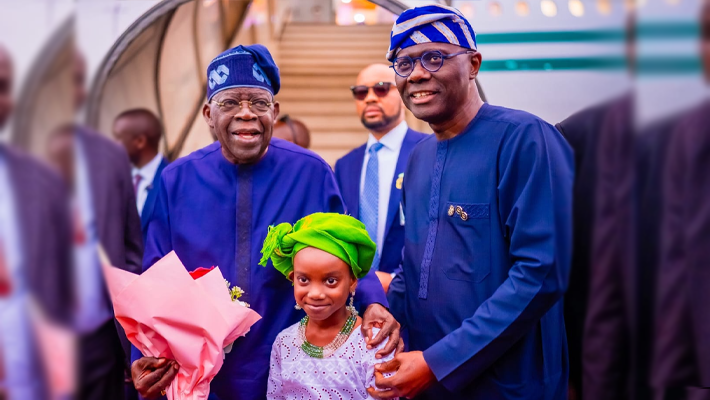
I enjoyed myself in Europe; I’m back, healthy, fit for work: Tinubu
“I am back. Ready to kick. Ready to work,” Mr Tinubu said.

Heading 2
Tennessee to execute woman for first time in 200 years over killing of classmate
Ms Pike was convicted of first-degree murder in 1996 and was sentenced to death, becoming the youngest woman ever to be placed on death row.
Africa
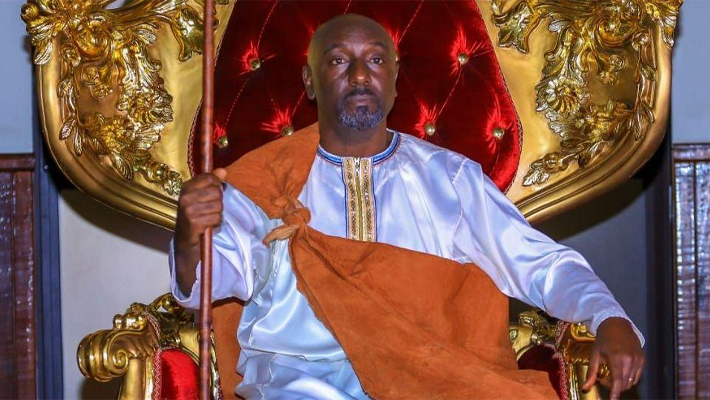
Ugandan broadcaster crowned king of Tooro kingdom
A 21-member committee from the royal Babiito clan selected Mr Kijanangoma, who is Oyo Nyimba’s cousin.

States
Jigawa govt approves N1.4 billion to upgrade community radio stations
Commissioner for Information, Youths, Sports and Culture Sagir Musa said the projects would expand broadcasting coverage and improve transmission quality.
NationWide
Tinubu transmits bill seeking to establish national research council
He explained that the bill seeks to bring fragmented research and development funds across MDAs under a central National Research Development Fund.

Heading 3
Atiku tells Tinubu to publicise signed health deal with U.S. after Ghana rejected proposal over privacy, sovereignty concerns
“At this point, Nigerians do not know whether the provisions Ghana rejected are in the agreement Tinubu signed,” Mr Abubakar said.


