

Nigeria tells UN food availability means little when families can’t eat
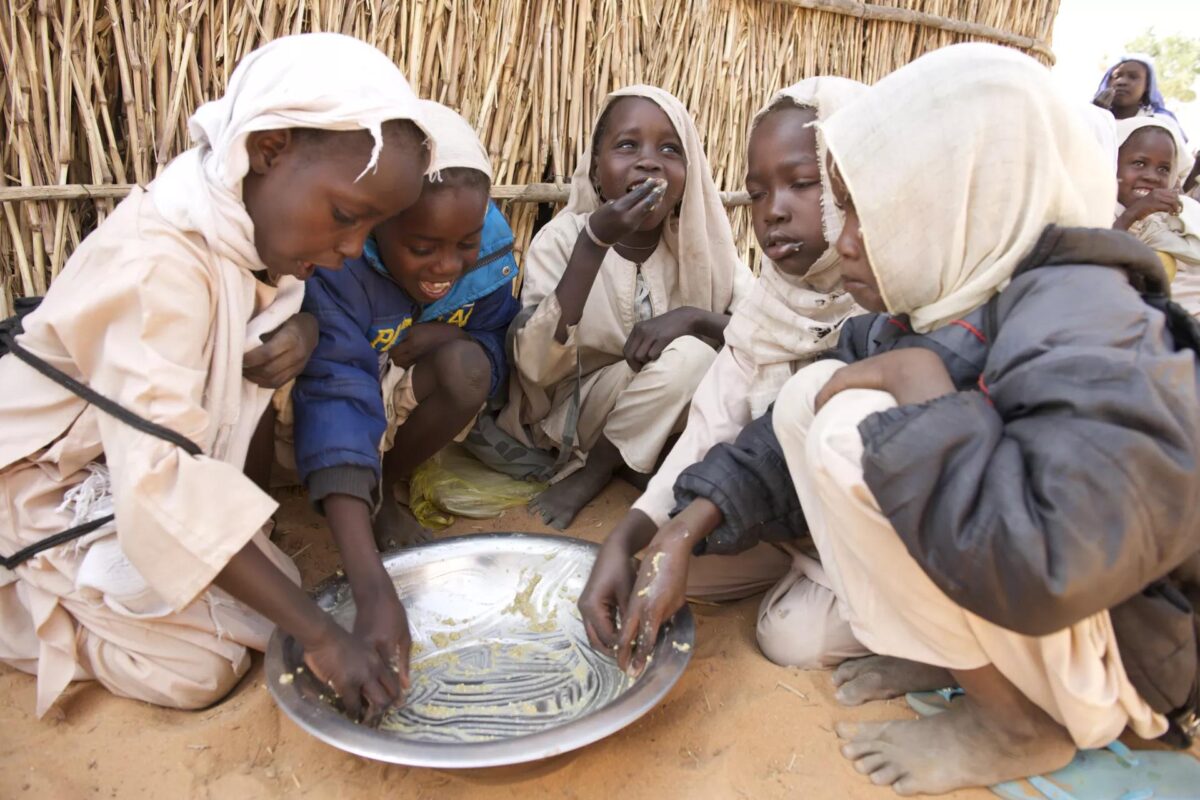
Nigeria has warned that increasing food production alone cannot eliminate hunger if millions of households remain unable to afford nutritious meals. The federal government made the observation before the United Nations General Assembly’s Third Committee during discussions on extreme poverty and the right to food.
Delivering Nigeria’s national statement, Bola Asaju said food security policies must address affordability, accessibility and nutrition alongside agricultural production. The delegation explained that families experiencing poverty, displacement or loss of livelihoods could remain hungry even when food was available in local markets.
Nigeria welcomed the report’s emphasis on human dignity, presented by the UN special rapporteur on the Right to Food. It also supported the special rapporteur’s focus on smallholder farmers, local markets, and the development of resilient food systems.
The delegation identified irrigation, rural infrastructure, storage facilities and agricultural processing as important investments for strengthening food security. It explained that such investments could reduce post-harvest losses, improve farmers’ incomes and increase the availability of affordable food.
Nigeria also called for greater opportunities for women and young people to participate meaningfully in agricultural production and rural development. The delegation acknowledged that insecurity and climate-related pressures continued to disrupt farming activities, displace communities and undermine household incomes.
It warned that declining humanitarian funding and mounting debt burdens could further weaken developing countries’ capacity to invest in food security.
Nigeria consequently urged international partners to provide affordable financing, appropriate technologies and practical assistance consistent with national priorities.
On urban poverty, the delegation said rising rents, transportation costs, and basic-service charges were eroding household incomes. It noted that many people worked daily but still struggled to meet essential living expenses.
Nigeria warned that poorly managed urban development could deepen poverty by displacing communities or separating residents from their livelihoods. The delegation therefore advocated inclusive urban planning, consultations with affected communities, and improved access to affordable housing and services.
It particularly highlighted the circumstances of informal workers, small traders, young people and persons with disabilities.
Nigeria reaffirmed that food security and poverty reduction remained national priorities, alongside agricultural development, livelihood support and social protection.
The delegation called for recommendations from UN human rights mechanisms that reflected the practical challenges confronting developing countries and strengthened their national capacities.
(NAN)

We have recently deactivated our website's comment provider in favour of other channels of distribution and commentary. We encourage you to join the conversation on our stories via our Facebook, Twitter and other social media pages.

More from Peoples Gazette

States
Independence: NBA urges Nigerians to expect better future
The NBA said that ordinary Nigerians should be deriving benefit from the subsidy removal rather than hardship.

Agriculture
FG tasks ECOWAS on leveraging financing strategies for agroecology
The federal government has urged stakeholders in the agriculture and finance sectors in the West Africa region to leverage financing strategies to enhance agroecology practices

Politics
Katsina youths pledge to deliver over 2 million votes to Atiku
“Katsina State is Atiku’s political base because it is his second home.”

States
Zamfara governor scrambles for Tinubu’s help as bandit attacks escalate
The Zamfara government has called for more federal government intervention to tackle escalating bandit attacks on communities.

Politics
Kano assembly summons lawmaker over ‘rabbit talk’ on social media
The Kano State House of Assembly has summoned lawmaker Yusuf Bello-Aliyu (NNPP-Nassarawa) over alleged remarks and insults widely circulated on social media.

Health
WHO warns of global health workforce gap
The World Health Organisation has said one in four doctors is nearing retirement age, warning of a global health workforce gap.
Agriculture
Nigeria tells UN food availability means little when families can’t eat
Nigeria has warned that increasing food production alone cannot eliminate hunger if millions of households remain unable to afford nutritious meals.

Lagos
FRSC orders probe into Otedola Bridge tanker explosion
According to Mr Mohammed, the crash reminded everyone that the consequences of irresponsible driving extend far beyond the driver and the vehicle.
Heading 4
103 ISWAP terrorists killed in air strikes in North-East: Military
Mohammed Goni, the acting spokesman for Hadin Kai operation in the North-East, said the operation lasted 18 days.


