

Nigerian parliament seeks creation of price control board to stabilise commodity prices

The House of Representatives has tasked the Tinubu administration to consider the reintroduction of a price control board in the country to ensure that goods are sold at the government’s approved prices to stabilise the general price of commodities.
This followed the adoption of a motion on matter of urgent public importance by Hussaini Jallo (PDP-Kaduna) at Thursday’s plenary in Abuja.
The motion, titled: ‘’Need to enforce the price control act to regulate and monitor price of essential goods and services in the country,’’ was aimed at preventing the hoarding of goods and protecting customers from exorbitant prices.
He said the general rising of prices in Nigeria had an attendant effect on goods and services.
He emphasised that there was a need to put in place a Price Control Act to stabilise the nation’s economy by preventing excessive inflation and ensuring the affordability of essential commodities for the blueprint of all.
He said the absence of a price control board would give room to manufacturers, wholesalers and retailers of agricultural products to inflate the costs of production.
This, according to him, would disrupt the economic equilibrium of the nation.
He said that the lack of proper regulation on the prices of commodities had resulted in unpredictable rises in the costs of petroleum products, especially Petroleum Motor Spirit (PMS).
Others, he said, include the automotive gas oil (AGO) and kerosene.
The volatility in pricing affected the transportation sector, which in turn influenced the cost of living of the ordinary citizen.
He said that if the present economic hardship was left unchecked, it would lead to economic disparity and subsequently contribute to social unrest.
He added that it would also contribute to discontent amongst the citizenry and perceive the government as insensitive to their needs.
The House therefore urged the federal government to ensure zero duty on agricultural products for a period of five years to encourage agricultural production and reduce the farmers’ burden.
The House said the price control board would be responsible for setting, regulating, and monitoring the price of essential commodities, not only limited to cement, sugar, and food items.
The House therefore mandated its Committee on Commerce to ensure compliance and report back within four days for further legislative action.
(NAN)

We have recently deactivated our website's comment provider in favour of other channels of distribution and commentary. We encourage you to join the conversation on our stories via our Facebook, Twitter and other social media pages.

More from Peoples Gazette

States
Independence: NBA urges Nigerians to expect better future
The NBA said that ordinary Nigerians should be deriving benefit from the subsidy removal rather than hardship.

Agriculture
FG tasks ECOWAS on leveraging financing strategies for agroecology
The federal government has urged stakeholders in the agriculture and finance sectors in the West Africa region to leverage financing strategies to enhance agroecology practices

Politics
Katsina youths pledge to deliver over 2 million votes to Atiku
“Katsina State is Atiku’s political base because it is his second home.”

Heading 5
France’s historic Limoges City Hall burns down amid raging protests
The building was inaugurated in 1883.
World
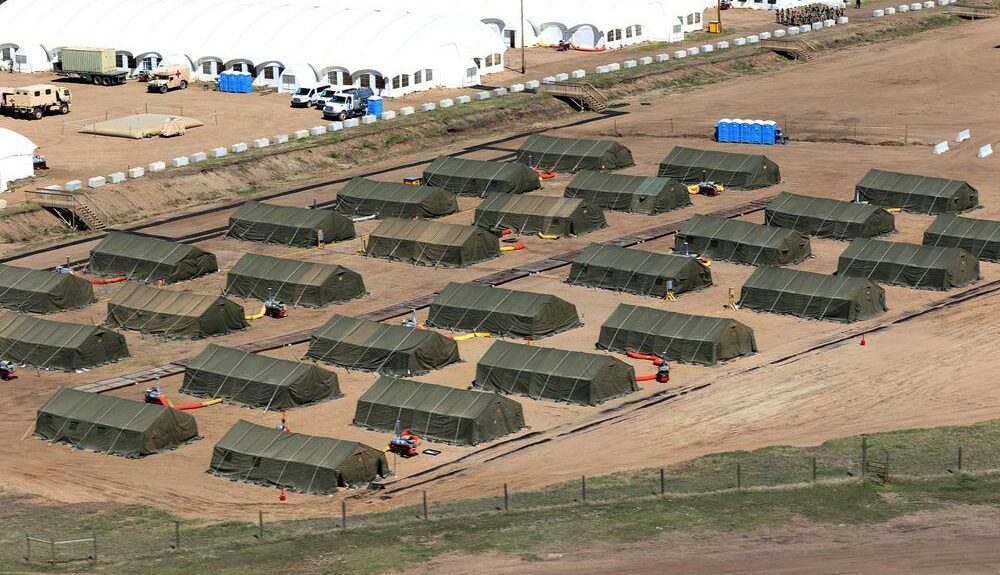
Several killed, others injured in explosion at Canadian military base
Mr McGuinty said the Canadian military was still investigating the incident.

World
Two killed, 11 hospitalised after woman drives into youth football match in U.S.
The Wichita Police Department confirmed that a 34-year-old woman was arrested at the scene.

Heading 2
Violent protests rock France, about 300 arrested
According to reports, demonstrations by students began in the Paris suburbs in September
World
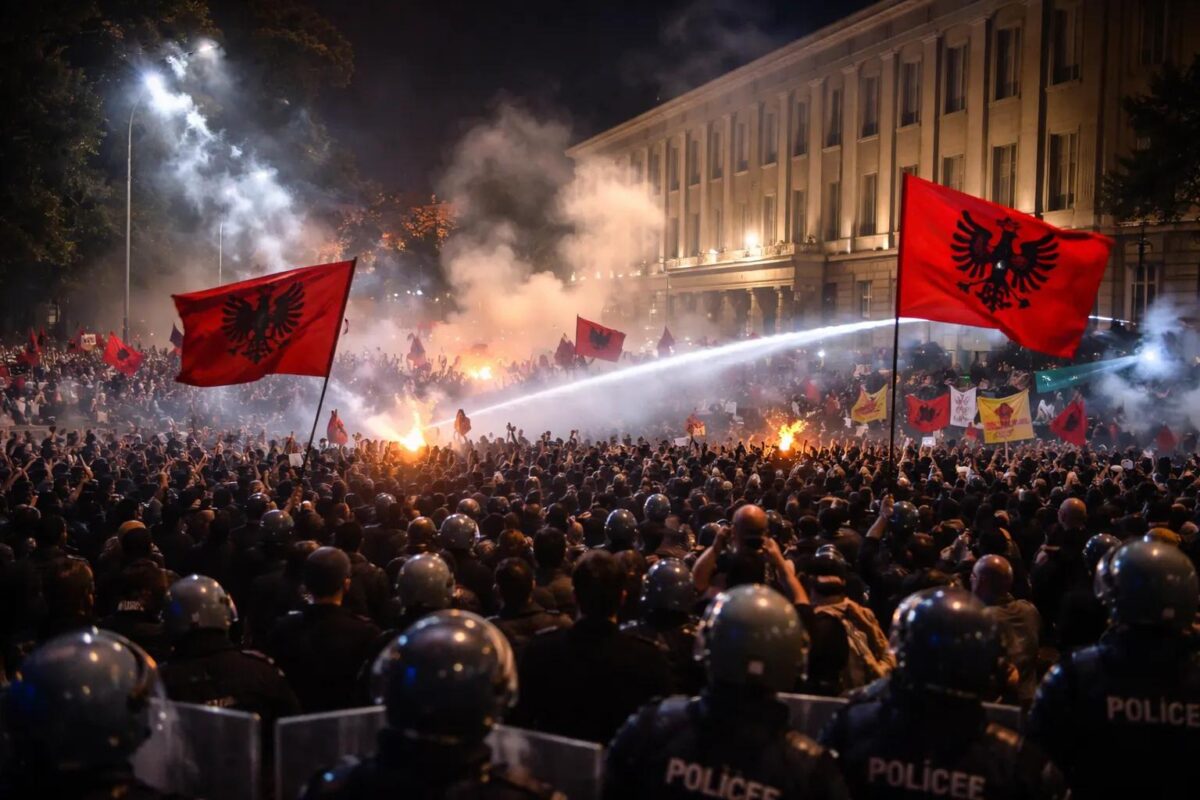
Protest rages in Albania as students demand resignation of prime minister
The state police director said 167 people had been arrested during the five days of protests.

NationWide
Corruption turning courtrooms to market stalls: Retired Justice Augie
She said lack of funding was another factor keeping jurists beholden to the executive arm of government.


