

Nigerian petrol most expensive in Africa; highest yearly increase worldwide
![Fuel queue at NNPC filling station [Credit: ThankGod Sabastine/Peoples Gazette]](https://gazettengr.com/wp-content/uploads/Screenshot_20230320-070535_WhatsAppBusiness.jpg)
Data analytic platform Picodi.com says that the price of petrol in Nigeria became more expensive – at 163 per cent – in the first six months of 2023.
The report, published on Wednesday, lists the average price for June this year at N532.50, over twice as much as in January (N202.48).
For the Petrol Index 2023 for nine African countries, Picodi revealed that Tunisia has the lowest petrol costs ($0.82/litre), followed by Egypt ($0.37/litre), and Algeria ($0.34/litre).
On the other hand, the report noted that the highest petrol prices to be paid by drivers from Mauritius was ($1.62/litre), Zambia ($1.46/litre), and Kenya ($1.32/litre). In Nigeria, petrol costs $0.89/litre, 13 cents less than the continental average.
President Bola Tinubu announced the removal of the subsidy on petrol during his inaugural speech on 29 May, leading to increase prices by almost 200 per cent, from about N200 to over N500.
While Nigerians bear the brunt of increasing prices, however, many groups have commended the removal, which experts say has drained billions of dollars from the country’s economy.
However, Picodi remarked in its report that the increase does not correspond with the average pay in Nigeria, which is N91,461 net per month, while citing Numbeo data on the cost of living in Nigeria. As a result, the average Nigerian purchases only 172 litres of petrol, ranking ninth out of nine nations.
“We also checked the relation between petrol prices and local average wages.
“With the average wage, the most petrol can be bought by the citizens of countries such as South Africa (968 litres), Algeria (792 litres), and Egypt (396 litres).
According to the newest Numbeo data, the average wage in Nigeria is ₦91,461 net monthly.
“This means that an average Nigerian can buy only 172 litres of petrol (9th out of 9 countries). Last year, in the same period, the average wage could buy 391 litres (219 litres less).
“This is what the petrol index in Nigeria looked like in the last 5 years: 2019 – 501 litres; 2020 – 539 litres; 2021 – 431 litres; 2022 – 391 litres; 2023 – 172 litres.”

We have recently deactivated our website's comment provider in favour of other channels of distribution and commentary. We encourage you to join the conversation on our stories via our Facebook, Twitter and other social media pages.

More from Peoples Gazette

Agriculture
FG tasks ECOWAS on leveraging financing strategies for agroecology
The federal government has urged stakeholders in the agriculture and finance sectors in the West Africa region to leverage financing strategies to enhance agroecology practices

Politics
Katsina youths pledge to deliver over 2 million votes to Atiku
“Katsina State is Atiku’s political base because it is his second home.”

Hot news Home top
ICE nabs convicted Nigerian Obiageriaku Jane Iheanacho, lists her among America’s “Worst of worst criminals” for deportation
Mr Mullin said ICE would not stop enforcing the law, deporting illegal aliens, and protecting Americans.
World
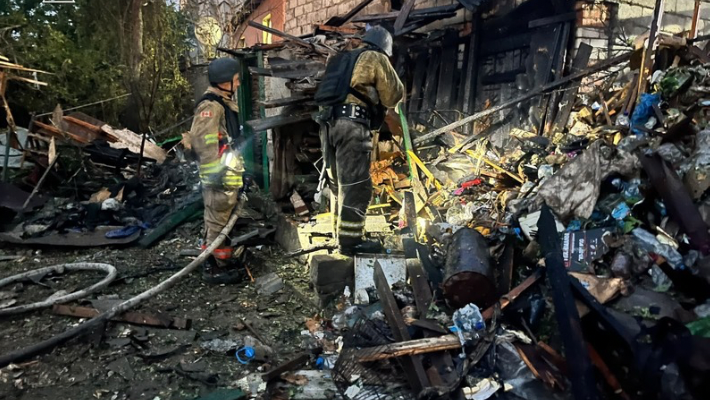
Russian attacks kill two in Ukraine, damage facilities
The Ukrainian President Volodymyr Zelensky made the disclosure in a post on Saturday.

Anti-Corruption
Group dismisses corruption allegations against senior EFCC officer
The ACCN urged Mr Olukoyede to identify those peddling lies against Mr Folarin.
Africa
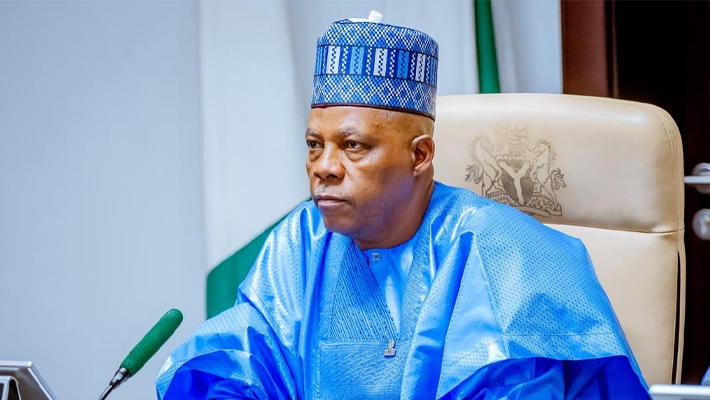
Shettima tasks new ECOWAS leadership on regional integration
Mr Shettima assured Mr Diop of Nigeria’s continuous cooperation and support.
Africa
Police discover tenth female corpse in South Africa
The ENCA news reported that the body was found inside the Mooifontein Cemetery in Tembisa near an Informal Settlement.
NationWide
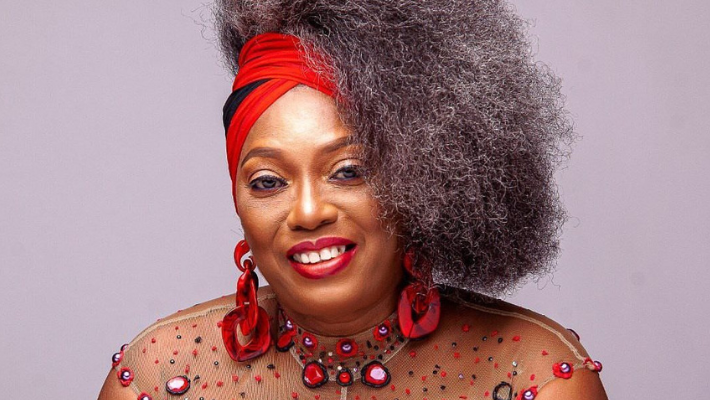
Yeni Kuti unveils activities for 2026 Felabration
Ms Kuti spoke during an interview on Saturday in Lagos, ahead of the 2026 edition of the annual festival.


