

NIMR calls for improved research literacy, funding to boost clinical trials

David Oladele, a deputy director of research at the Nigerian Institute of Medical Research, has called for improved research literacy and adequate funding to enhance clinical trials in the country.
Mr Oladele, who heads the Clinical Trials Unit at NIMR, made the call at the institute’s monthly media chat, organised to inform the public about some of its research works, on Wednesday in Lagos.
He noted that clinical trials and research represented the cornerstone of a nation’s commitment to advancing health through science, hence the need to improve research literacy among the populace and policymakers.
Mr Oladele explained that clinical trials remained a key operational element in assessing the efficacy and safety of drugs, vaccines, and other public health interventions.
“One of the challenges of clinical trials is the low research literacy in Nigeria; even some health workers don’t understand the importance of research. Our policymakers also need to improve their research literacy to enable them to commit more funding for clinical trials and research programmes in the country,” he said.
The deputy director added that the institute had carried out clinical trials over the years that had positively impacted the health of Nigerians.
“NIMR was among the centres in the country when HIV treatment started in 2002 in Nigeria. The institute was asked to test the treatment response between generic HIV drugs and branded drugs,” said Mr Oladele. “NIMR was able to prove that the generic drugs had the same response as the branded drugs, and this helped the government to adopt the use of generic drugs for HIV.”
He added, “The institute also carried out a microbicide clinical trial from 2004 to 2007, which was a multi-centre study with University College Hospital, Ibadan, to prevent the transmission of HIV in the country. During COVID-19, we also did clinical trials to compare the effectiveness of chloroquine and its outcome for COVID-19 treatment; these and others demonstrate that clinical trials are possible in Nigeria.”
The expert added that NIMR’s good clinical practices had positioned it as the lead for multi-country research and, by extension, training other researchers.
He added that NIMR was currently part of the board of the National Clinical Trials Consortium with the aim of supporting local drug development and strengthening relationships with regulatory agencies to boost clinical trials.
(NAN)

We have recently deactivated our website's comment provider in favour of other channels of distribution and commentary. We encourage you to join the conversation on our stories via our Facebook, Twitter and other social media pages.

More from Peoples Gazette

States
Independence: NBA urges Nigerians to expect better future
The NBA said that ordinary Nigerians should be deriving benefit from the subsidy removal rather than hardship.

Agriculture
FG tasks ECOWAS on leveraging financing strategies for agroecology
The federal government has urged stakeholders in the agriculture and finance sectors in the West Africa region to leverage financing strategies to enhance agroecology practices

Politics
Katsina youths pledge to deliver over 2 million votes to Atiku
“Katsina State is Atiku’s political base because it is his second home.”

Politics
LG Elections: OYSIEC opens registration portal for ad hoc staff recruitment
Registration for the required positions will run from October 5 to October 20, 2026.
Diaspora
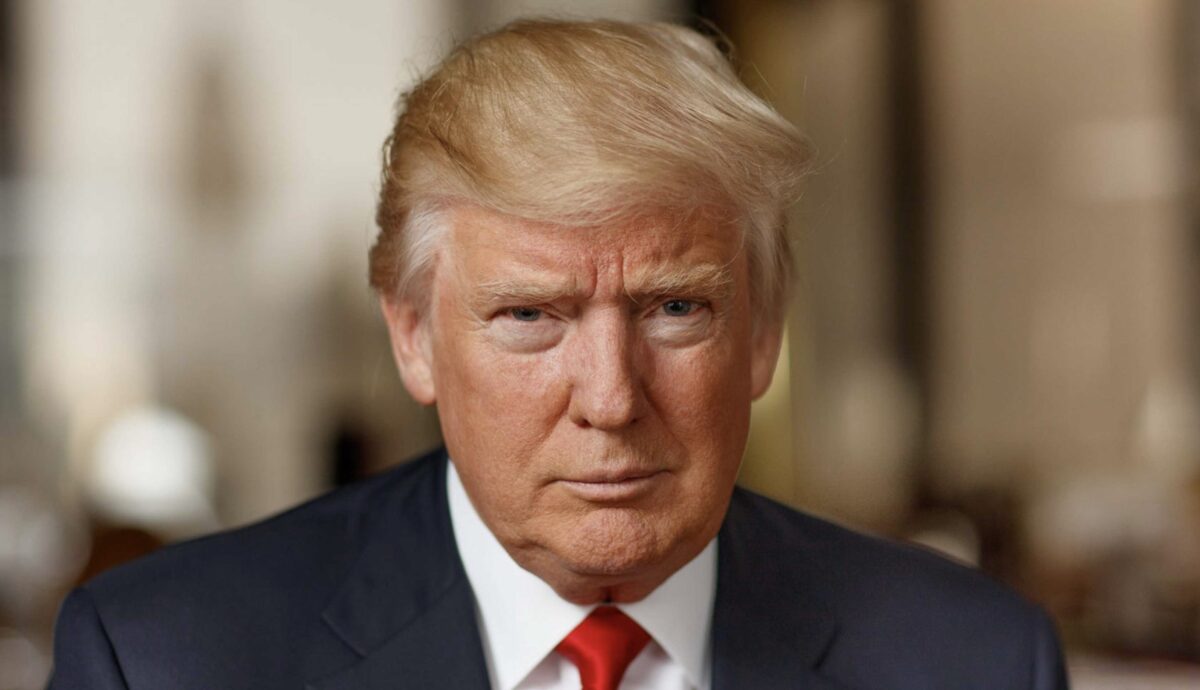
Trump moves to revoke U.S. citizenship of two Nigerians, 38 others
The prosecutors accused the 58-year-old of applying for immigration benefits under two different identities.

Economy
Nigeria rises four places to eighth in 2026 Bloomberg Economics Investment Risk-O-Meter
The growth was attributed to the economic policies of the Tinubu administration.

Heading 4
Longest-serving Republican speaker Dennis Hastert, soiled by allegations of molesting high school athletes, dies at 84
The deceased, who was speaker from 1999 until 2007, was sentenced in 2016 to more than a year behind bars.

Anti-Corruption
Witness reveals how funds were moved to private accounts in ex-Taraba governor’s trial
The judge adjourned the matter till October 6, 2026, for continuation of the evidence of PW3.

Education
JAMB moves to adopt UTME centre in Canada for 2027
The board said the centre would enable eligible Nigerians living in Canada to take the UTME without travelling to Nigeria.


