

Northern Nigeria to slide into catastrophic starvation from June: Report
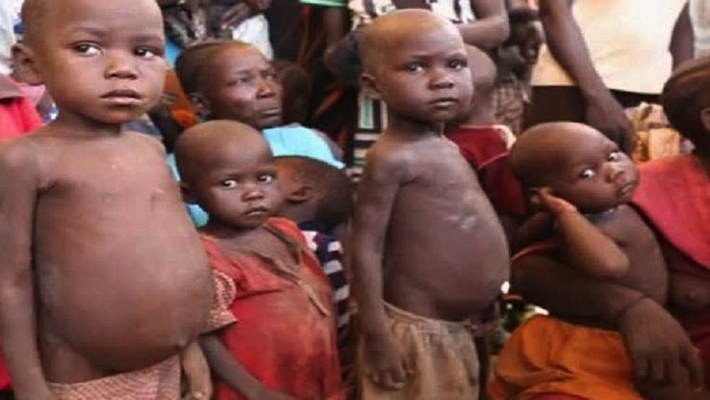
Northern Nigeria is expected to plunge into catastrophic food insecurity from June 2022, a new report reveals.
Specifically, the World Food Programme (WFP) and Food and Agriculture Organization (FAO) said the conflict-ridden North-East would slide into starvation and death from June this year if humanitarian intervention measures were not sustained.
In a report seen by Peoples Gazette on Wednesday, the organisations spotlighted Borno as the area with the highest concerns following incessant insurgent attacks. The report detailed that around 12.9 million people across 21 states and the Federal Capital Territory were facing a crisis or worse levels of acute food insecurity.
“In Nigeria, while some populations in conflict-affected areas in the North-East are now projected to slide into catastrophic food insecurity at the peak of the lean season, from June 2022 onwards,” noted the WFP and FAO report,” adding that “it cannot be excluded that some may start to experience this even earlier, in the next months, and that the magnitude may be higher than what projections anticipate.”
If humanitarian interventions were not sustained, it projected a 5.1 million increase to 18 million between June and August 2022.
Titled ‘Hunger Hotspots’, the report pointed out that Nigeria, Ethiopia, South Sudan and Yemen required urgent attention.
According to the report, Nigeria’s insecurity and high inflation rates will likely worsen food shortage and starvation.
The organisations added that persistent attacks by non-state armed groups in the North-East, bandits and intercommunal violence in the North-Central and North-West would continue to disrupt agricultural and market activities, leading to reduced incomes and new displacements.
The report also stressed that difficult macroeconomic conditions would continue to constrain access to food for vulnerable households struggling to recover from the COVID-19 pandemic-induced economic downturn.
The WFP and FAO stated that hunger would be prevalent in areas where conflict, economic shocks, natural hazards, political instability, and limited humanitarian access put millions of lives at risk.

We have recently deactivated our website's comment provider in favour of other channels of distribution and commentary. We encourage you to join the conversation on our stories via our Facebook, Twitter and other social media pages.

More from Peoples Gazette

Agriculture
FG tasks ECOWAS on leveraging financing strategies for agroecology
The federal government has urged stakeholders in the agriculture and finance sectors in the West Africa region to leverage financing strategies to enhance agroecology practices

Politics
Katsina youths pledge to deliver over 2 million votes to Atiku
“Katsina State is Atiku’s political base because it is his second home.”

World
Iran to announce restricted zone outside Strait of Hormuz
Mr Rezaei said any ship attempting to pass through the zone would be placed on Tehran’s sanctions list.

Uncategorized
EFCC arraigns man over alleged N700 million fraud
The court adjourned the case until September 16, 2026, for hearing.

Abuja
Parents urge Wike to address infrastructure shortage, rising school-supply costs in FCT
Parents appealed to FCT Minister Nyesom Wike to address infrastructural shortages in schools.

Sport
EKO 2026 will expose states’ grassroots sports efforts: Yusuf Alli
“This will expose states that just go and buy athletes for festivals. This will determine the ones that have really been training,” he said.

World
BRICS countries strengthen technological sovereignty through cooperation
Mr Taburov said BRICS countries ‘ cooperation in digital technologies is already delivering tangible results.
Africa
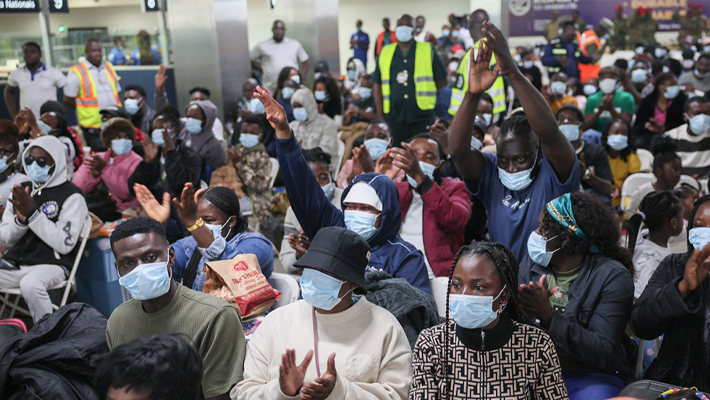
Ghana govt reaffirms reintegration support for returnees from South Africa
Samuel Okudzeto Ablakwa, Foreign Affairs Minister, said officials will review the evacuees’ details to facilitate appropriate social support systems and other interventions.


